




By Brice Carter, CFP®, CIMA®, ChFC®
Last week, I noticed a neighbor’s house was up for sale. Out of curiosity, I looked at the listing.

I was shocked!
I moved into my house in 2018, and I cannot believe the price appreciation that has happened since then. I spend my days looking at numbers, markets and economic data, but when you reflect on those things closer to home, they become a little more real.
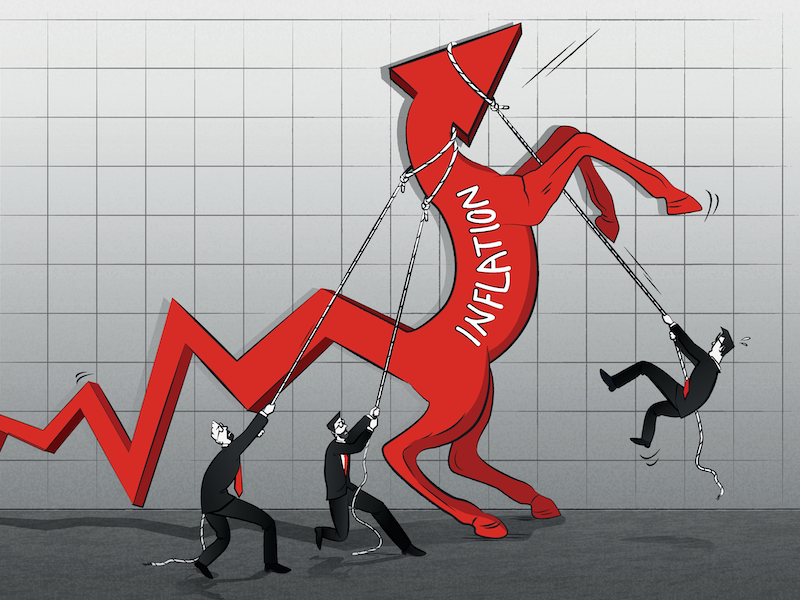
Since 2020, the overall cost of living, by some estimates, has risen nearly 30%. Real estate and housing have surged even higher, in many cases by 50%. Vehicles, meanwhile, are up 30% to 40%, resulting in higher insurance premiums, which have increased by as much as 50%.










The worst part about these rising costs is that most are for essential living expenses: housing, transportation and food. I almost didn’t have the heart to mention that grocery prices are up 25% to 30%.
The bright side is that asset prices are up significantly as well. The stock market has had an incredible run over that time, although bonds have not performed as well. Gold and silver are up, too, for those who hold them.
The slow and dreadful march upward in the prices of goods and services is unstoppable, similar to the march of time. I’m a big believer in not stressing about things you cannot control.
The unfortunate thing about inflation is that, as a consumer, there is exactly nothing you can do to prevent it from happening. The slow and dreadful march upward in the prices of goods and services is unstoppable, similar to the march of time. I’m a big believer in not stressing about things you cannot control.
You cannot control the passage of time, so don’t worry too much about your mortality. You can’t stop inflation, so don’t worry too much about it. But that doesn’t mean you shouldn’t prepare.
I can’t stop the passage of time, but I can keep my body healthy by eating the right things and exercising. I can’t stop the increase in the price of goods and services, but I can try to increase the resources I have.
A common mistake I see in my financial planning practice is that when someone approaches retirement, they want to be ultra-conservative with their investments. I understand the thinking, but the real-world outcome of that decision can be problematic.
 You simply have to keep your assets growing to and through retirement. An overly conservative asset allocation can prevent your assets from keeping pace with inflation.
Without long-term asset growth, your purchasing power decreases, and inflation takes a larger bite out of your life.
Even with the asset growth we’ve seen over the past few years, I still wonder: Are we better off than we were?

Brice Carter, CFP, ChFC, CIMA, CAP, CDAA, MSFS, has served as a Financial Advisor and the Chief Investment Officer (CIO) at Financial Strategies Group (FSG) since 2011. He joined the family run, SEC-registered firm and today plays a central leadership role in shaping investment strategy, portfolio management, and long-term planning for a growing client base. FSG has offices in Okemos and Fenton.