




PHOTOS COURTESY OF MOTT COMMUNITY COLLEGE
 Education is something people have long puzzled over: how best to teach, how best to absorb information, and how best to ensure those lessons transfer into practical skills or lifelong values. Instruction methods vary from visual and auditory approaches to hands-on education, from individual or group learning to rigid schedules or flexible lesson plans. And, of course, different types of learning produce different lessons, different kinds of value or experience gained.
In the case of Mott Community College’s recent study abroad, students returned with experiences that will continue shaping every aspect of their lives.
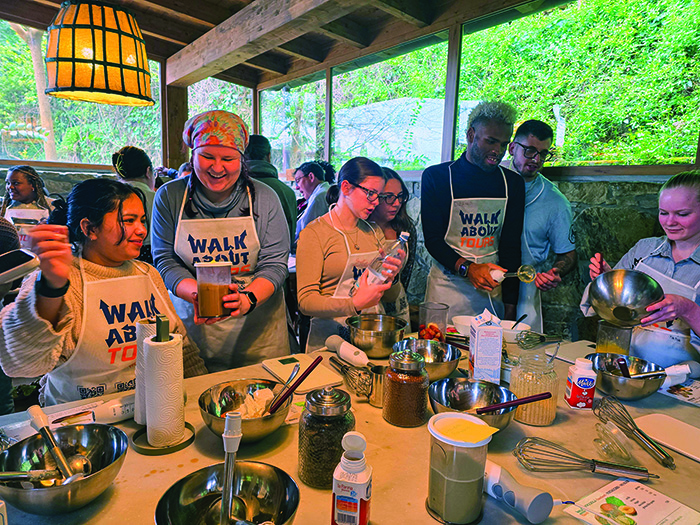
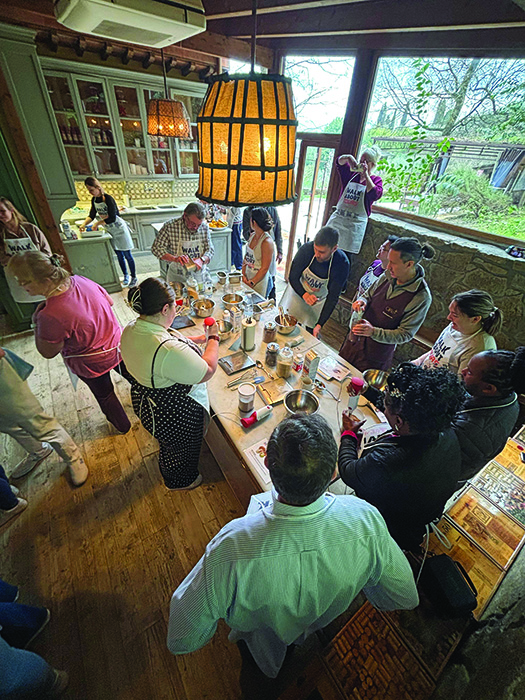
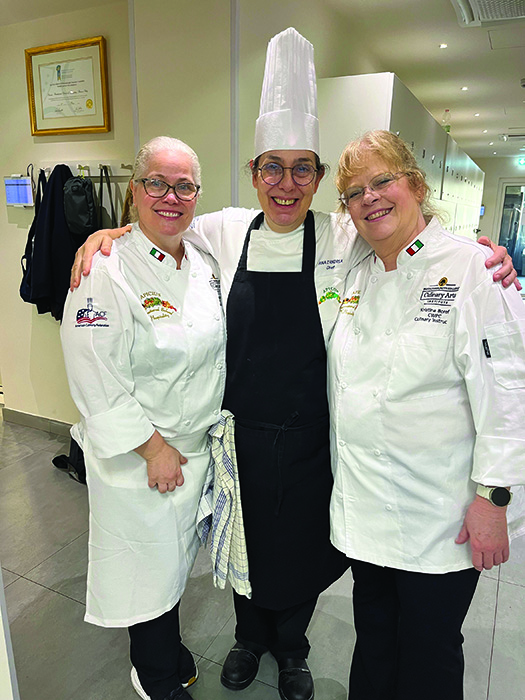
From the end of February to the first week of March, Chef Mark Handy, Chef Gregory Campbell, and Chef Kristina Boroff led Mott Culinary Institute students on a study abroad to Italy. Based in Florence and the Apicius International School of Hospitality, students embarked on a five-day program to “enrich the culinary arts students,” as Chef Handy explained. This enrichment came in various forms over the course of the trip, from standard classroom instruction to cultural immersion. And, of course, every aspect of this trip contributed to students’ lives and learning in different ways.
 Hands On
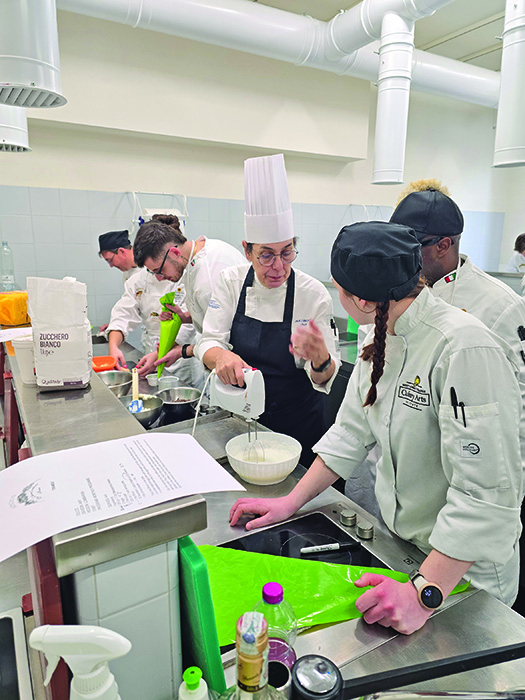
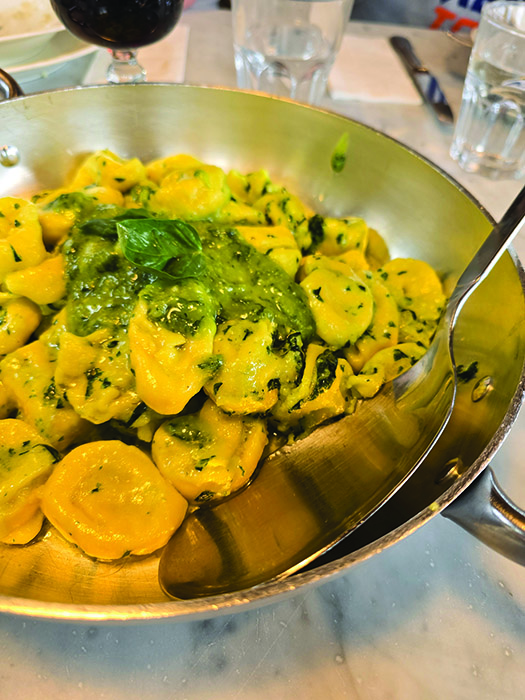
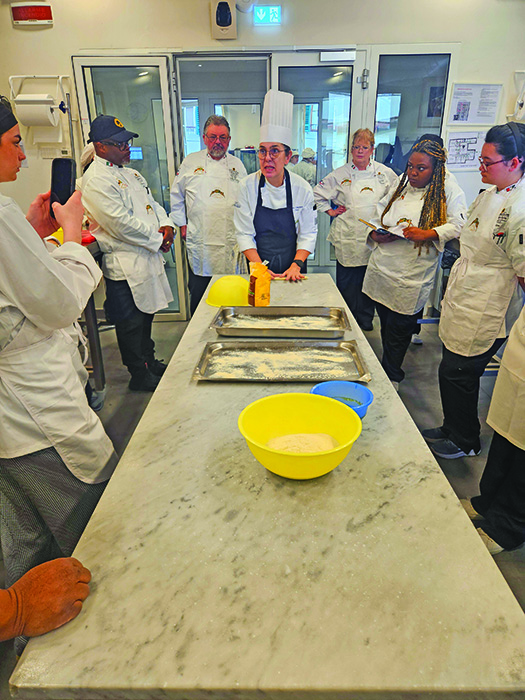
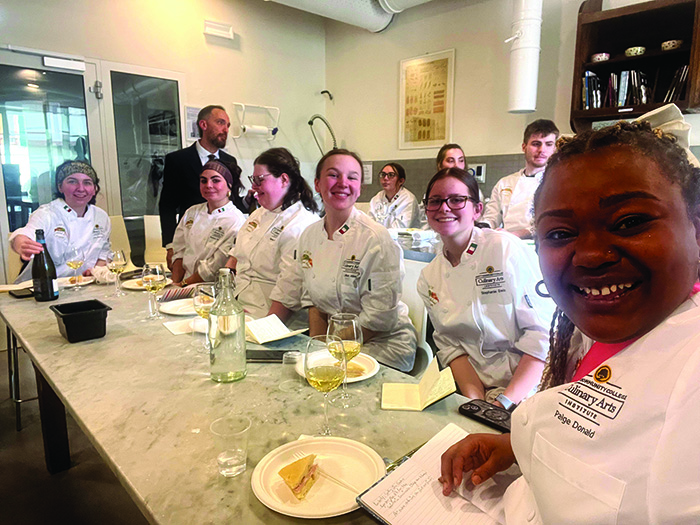
Classroom learning is likely the first thing that comes to mind when thinking of college education: the academics, the concrete facts, and the book learning. For the study abroad, such learning included lessons in Italian language, history, wine, how to prepare specific dishes, such as gelato and various pastas, and more. Classroom and group education are familiar learning methods, providing a sense of stability to build foundational knowledge, not to mention practical and easily applicable skills such as foreign language and food preparation.

Of course, this might lead to a question: why travel abroad when students could learn the same material in a classroom in their own country? After all, lessons like those above were learned in a classroom setting, and it’s true that these lessons could have been learned without crossing an ocean. In fact, some were, as students needed to take pre-requisite courses before they could apply for the trip. However, the fact that something can be done in one place doesn’t mean there’s no value in doing it elsewhere.
A prime example is the class in pasta students took. While they could have learned similar material at Mott, Apicius offered more depth to it: they offered proximity to a nation famous for perfecting the art of pasta, instructors who grew up with everything that makes their nation’s pasta so remarkable, ingredients, local knowledge, passion for the craft, and more.
Not only that, but Jacob Middaugh, a student on the trip, commented on the language barrier between students and the instructor. “She didn’t really speak English,” he said, “so it was a really good, immersive experience.” In combining the traditional classroom experience with a depth and intimacy to the content only locals could share, a typically straightforward experience becomes further enriched with nuance, understanding, and even challenge through the unfamiliar (such as a language barrier). These were all things students were steeped in throughout their study abroad.










Feet Planted
The effects of classroom learning may be clear, but what about the value of immersion? Of encouragement to explore and exposure to Italy as a whole?
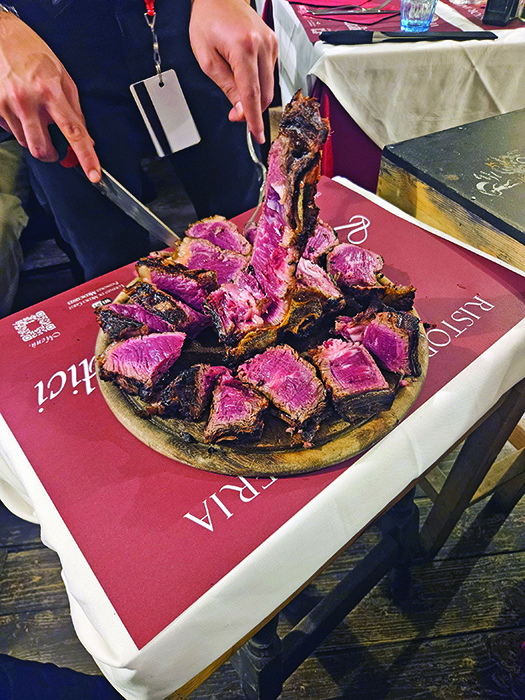
For one, it demonstrates how everything they’ve learned in the classroom fits into the world at large, or even why it’s important. As an example, Jacob brought up the concept of cucina povera, or “poverty cuisine,” which consists of minimizing food waste and maximizing use of what you have. Katherine Davis, another student, went further to say, “No ingredient left behind… You utilize everything all the time.” From using stale bread to clean plates to preparing every part of an animal to eat, and from watching food prepared this way to partaking of it themselves, these students learned both how to cook in this manner and the reasoning behind it. In this, they also gained a better appreciation for what they cook with and what they eat, limiting food waste in both areas of their lives.
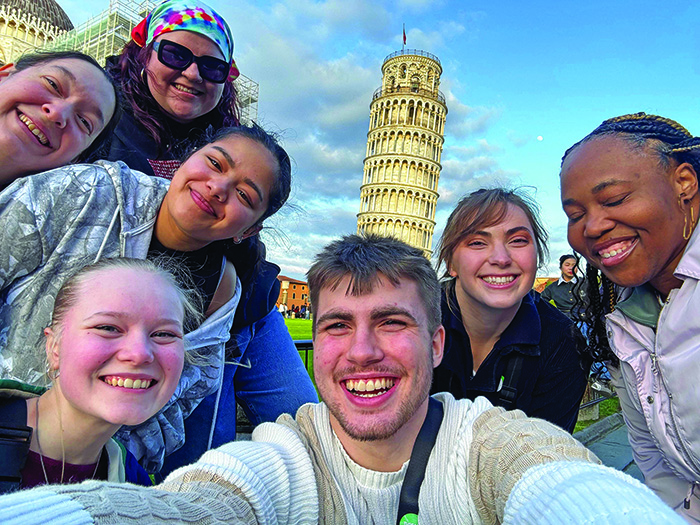
Students were able to explore more than culinary technique or the country’s value of wine, as well: they were able to learn about the country just by walking the streets. They visited famous landmarks and cities such as Piza and Tuscany, but they didn’t neglect the Italy that most tourists pass by, the everyday history and the current value of things like wine windows, narrow streets, and the Italian people themselves. Jacob in particular noted the differences he saw between America and Italy: the tight streets made him more aware of the people around him, and “nobody was in a rush for anything,” teaching him to match their pace and enjoy experiences as they happened. Face-to-face with a way of life so distinct from what they’re used to, students didn’t just gain a better understanding of culinary practices: they gained a better understanding of the world, its people, and their ways.
Eyes Forward
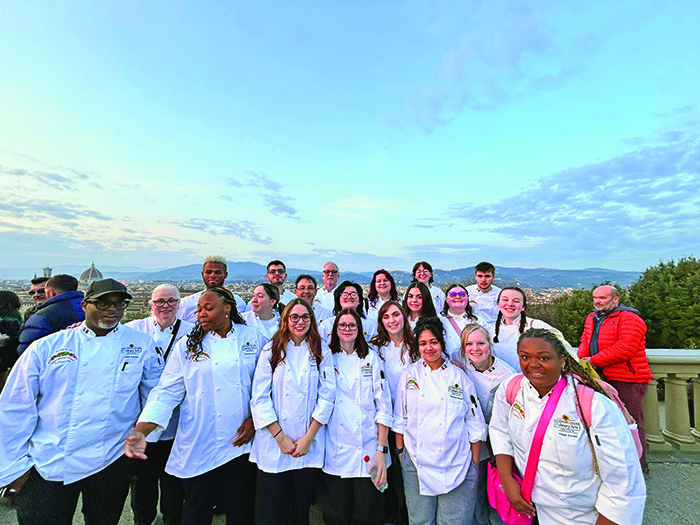
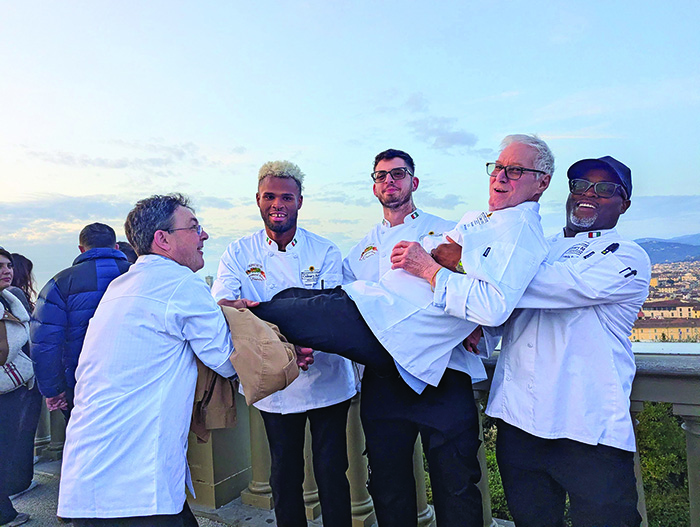
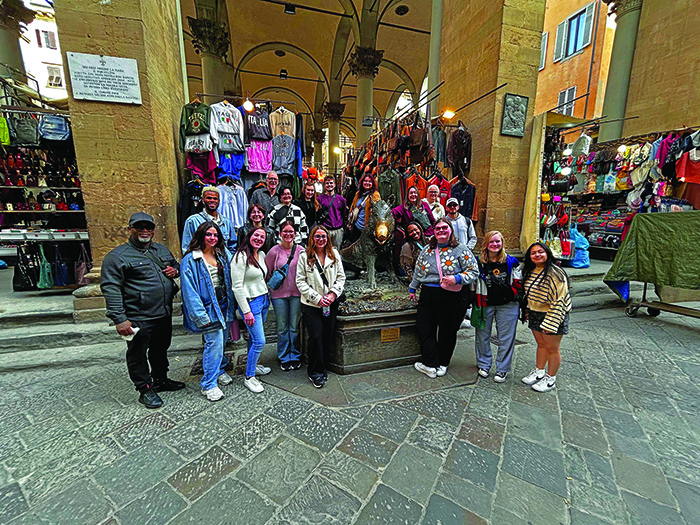
However, their grown understanding of others wasn’t limited to strangers in another country. It extended to the people they came to Florence with: their peers and instructors. This study abroad put several students into close proximity with each other, students who, beyond attending the same college and even some of the same classes, otherwise wouldn’t spend much time together. They shared classroom sessions, walking tours, meals, lodging, and countless other experiences. Chef Handy commented on how close quarters have the potential to breed tensions and animosity, but how everyone on the trip instead found more room to bond and get to know each other than to argue.
Katherine expressed similar sentiments, describing how everyone worked with peers and teachers they might not normally see or rely on. “Everyone rose to the occasion and checked in with each other,” she said. In this way, students didn’t just learn to empathize and understand people they’d never met before: they also learned to reach out, cooperate with, and connect to the people around them. The ability to initiate contact and interact with “familiar strangers,” to get to know distinct individuals who would normally be relegated to “background characters,” is an increasingly vital skill to develop in this age of isolation and independence.
 Focus Inward
From practical skills to the ability to empathize with the unknown, and from understanding complete strangers to connecting with familiar faces one would normally take for granted, Mott’s study abroad program encouraged students to reach beyond themselves and grow in ways they never thought possible. And yet, external learning was only part of the process. Chef Handy noted how many students grew into themselves, from one student seeing the ocean for the first time to a quiet student finding their voice and engaging with others for the first time. Katherine agreed: “You were capable of being a melting pot within yourself.”
Lasting Impact
The impact of these trips hasn’t gone unnoticed. Even during past trips such as one in Barcelona, local instructors pulled Mott faculty to the side and expressed how amazing the students were, something that greatly impacted Chef Handy. And with practical applications like buffing resumés and standing out in the job market to social discoveries such as greater connections and self discovery, he went on to say that “Out of the 20 students that went, three students are currently working through the scholarship process to go back” and learn even more. With a study in Switzerland planned for June next year, they will have that chance.
However, these trips wouldn’t be possible without people working behind the scenes. Scholarship sponsors like Big John Steak & Onions, fundraiser dinners hosted by students, Mott faculty like Jessica Botos-Esperanza who led the process and kept everyone organized, the students who pressed on through a competitive scholarship process: Chef Handy expressed his thanks to everyone for making the study abroad to Florence possible. “Lots of work goes on behind the scenes,” he said, “I firmly believe that our study abroad program improves students’ lives in an impressive way.”
 To learn more about Mott Community College’s study abroad program or how to contribute, Chef Handy invites you to email him at mark.handy@mcc.edu or call him at (810) 232-6956, or to email Jessica Botos-Esperanza at jessica.esperanza@mcc.edu.