









Over the past century, schools have changed in ways that are both visible in the hallways and invisible in the hearts of the communities they serve. What was once a collection of one-room schoolhouses scattered across rural landscapes has evolved into complex systems of education, technology, and community support. Yet despite dramatic changes in structure, curriculum, and tools, the core purpose of schools has remained steady: to educate children and prepare them for the future while strengthening the communities around them.
A hundred years ago, many schools were simple wooden buildings where one teacher might instruct students of all ages in the same room. Lessons centered on reading, writing, arithmetic, and practical skills needed for farming or trade. Attendance could be irregular, and resources were limited. But even then, schools were more than academic spaces. They were gathering places. Town meetings, social events, and community discussions often took place in the same rooms where children learned. Education and community life were deeply intertwined.

As the 20th century progressed, schools expanded in size and scope. Consolidation brought smaller rural schools together into larger districts, allowing for more specialized teachers, broader curriculum offerings, and improved facilities. Subjects like science, literature, foreign languages, and the arts became standard. Physical education programs grew, reflecting an increasing awareness of health and wellness in childhood development. School buildings themselves became symbols of community pride—brick structures with gyms, auditoriums, libraries, and cafeterias designed not just for learning, but for gathering.
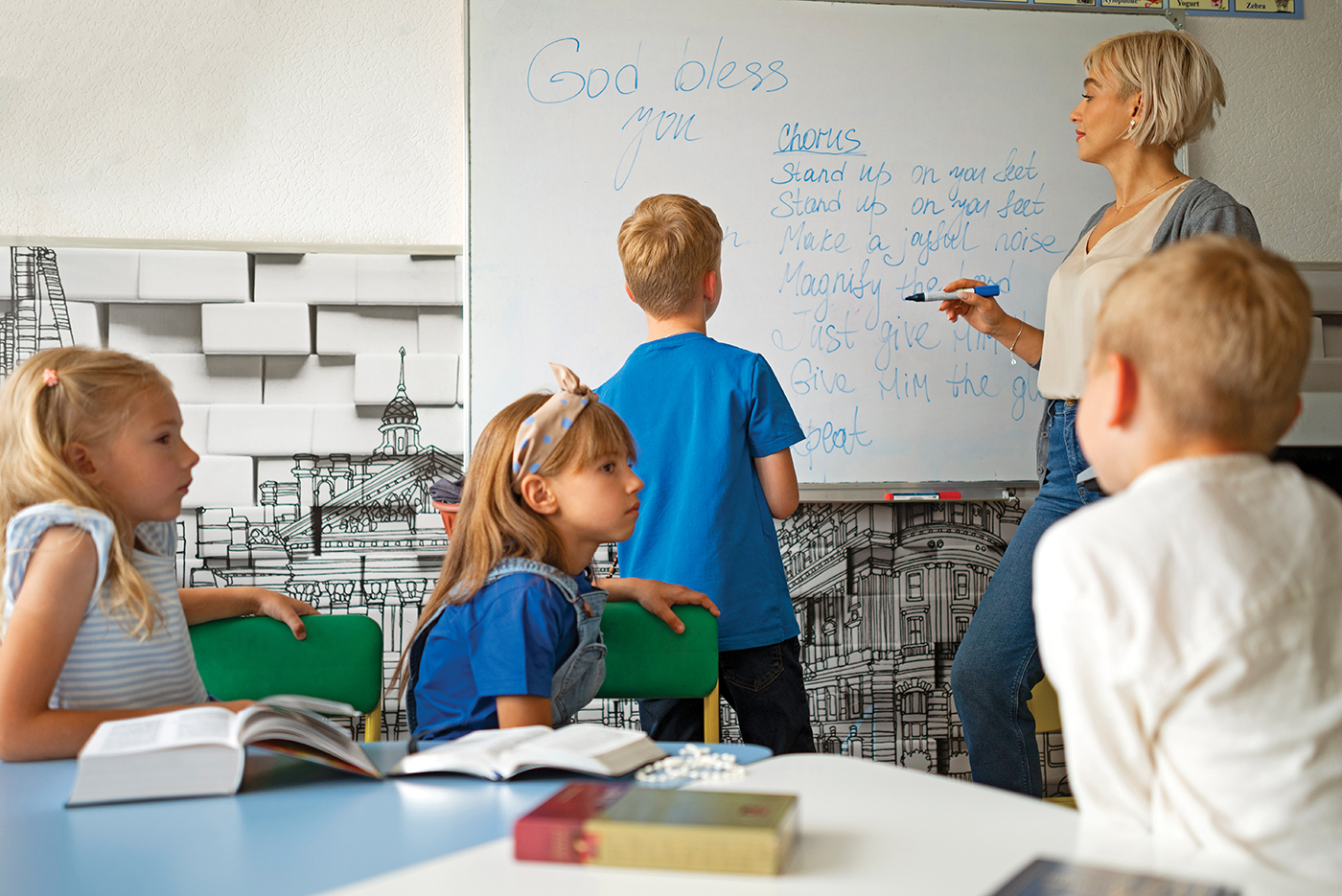
In the modern era, the pace of change has accelerated even further. Technology has reshaped the classroom experience, moving from chalkboards to interactive whiteboards, tablets, and digital learning platforms. Students today can access global information instantly, collaborate with peers across the world, and explore subjects through simulations and multimedia tools that were unimaginable a generation ago. At the same time, schools have taken on expanded roles in supporting students’ emotional and social well-being, recognizing that learning cannot happen effectively without safety, stability, and connection.
Despite these advances, the heart of a school remains unchanged. A good school is defined not by its technology or size, but by the relationships within it. Teachers who notice when a student is struggling, coaches who encourage perseverance, counselors who guide students through difficult transitions, and staff who create a sense of belonging all form the invisible foundation of a strong school community.










Equally important is the role schools play in shaping local identity. In many towns and cities, schools are the center of community life. Friday night football games, school plays, music concerts, science fairs, and graduation ceremonies bring together generations of families. These events are not just extracurricular activities; they are shared experiences that reinforce connection and pride. A strong school often reflects a strong community, and a strong community invests in its schools.
A good school is not just a place where education happens. It is where a community believes in its future—and invests in it every day.
Research shows that students perform better when families and communities are engaged in education. Schools that maintain strong partnerships with parents, local businesses, and civic organizations tend to have higher levels of student achievement and well-being. This connection reinforces a powerful truth: schools do not exist in isolation. They are living parts of the communities around them.
Today’s schools also carry a broader responsibility than ever before. In addition to academics, they help students develop critical thinking skills, digital literacy, emotional intelligence, and social awareness. They prepare young people not only for careers, but for citizenship in an increasingly complex world. At their best, schools teach students how to adapt, collaborate, and contribute meaningfully to society.
Looking back over the past century, it is clear that schools have evolved from small, local institutions into dynamic centers of learning and support. But looking forward, their most important role remains the same: to nurture the potential of young people and strengthen the communities they call home.