

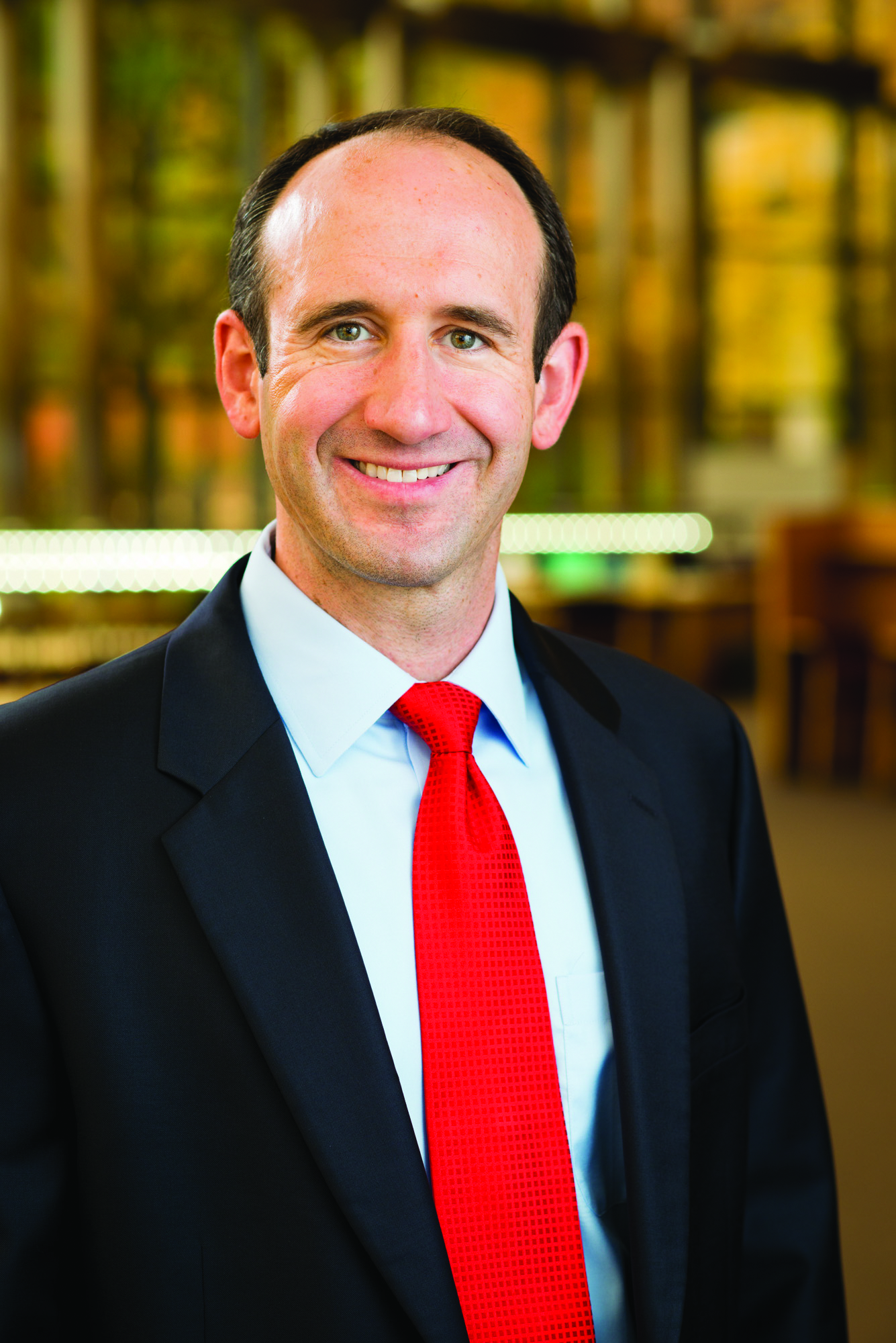
Dr. Christopher Douglas came to the University of Michigan-Flint in 2006. He earned a B.S. in Electrical Engineering and a B.S. in Economics from Michigan Technological University in 2001, and his Ph.D. in Economics from Michigan State University in 2007. As Professor of Economics, he teaches Principles of Microeconomics, Principles of Macroeconomics, International Economics, Public Finance and Sports Economics.
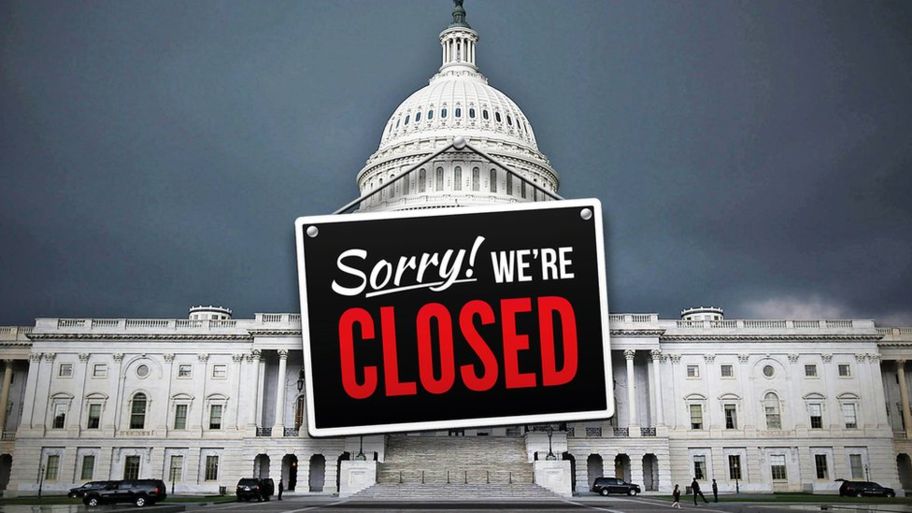
The Department of Homeland Security (DHS), which houses the Transportation Security Administration (TSA), remains shut down. TSA agents are being paid through emergency funding, which has stabilized staffing and shortened the lines at airports such as Houston International, where lines exceeded four hours in March. Reforms can prevent this from occurring again.
Automatic continuing resolutions for government agencies would do so. This means that these agencies would be funded at current levels if Congress did not pass a new appropriation. TSA agents would continue to be paid, and security lines at airports would remain reasonable even if Congress were deadlocked on a funding change.

Other reforms are possible as well. Each airline ticket is assessed with a “September 11 Security Fee.” Congress deposits this revenue into the general fund and then appropriates it back to the TSA. If the government shuts down, this appropriation does not happen, and TSA workers do not get paid, leading to chaos at airports. This fee could instead automatically fund the TSA without congressional action, insulating the TSA from the impact of a shutdown. Privatizing government agencies could also mitigate the impact of a shutdown.
Some airports, such as San Francisco International Airport and Kansas City International Airport, use private contractors rather than TSA agents for security. These airports faced no disruption during the March partial government shutdown or the full government shutdown last October and November. Airport security was fully private prior to the September 11, 2001, attacks. The TSA was created after the attacks to strengthen airport security. It is important to note, however, that the September 11 hijackings were not a failure of airport security, as they were carried out with items such as box cutters that were legal to take onto an airplane at the time. Reverting to private security would prevent the chaos witnessed at airports such as Houston, New Orleans, and Atlanta without loosening security.
The incentive behind a shutdown is to maximize the impact on the taxpayer. Not only do I not expect reform to happen, but I also expect another shutdown in the future.










Air traffic control (ATC) was not affected by the March shutdown but was impacted during the October and November shutdown. ATC is a private, non-profit corporation in Canada and a public-private partnership in Europe. Having ATC privatized and funded through an assessment on plane tickets or a landing fee at airports would prevent it from being impacted in a future shutdown.
There is no reason why these reforms cannot be made, other than that both political parties use government shutdowns as leverage to get the other party to capitulate. The belief is that voters will blame one party for the shutdown, which will cause that party to give in to the other’s demands. It is akin to how parents drag kids into the middle of a divorce. It is unfair to the kids but self-serving to the parents if the kids then pressure one parent to give in to the other.
Likewise, the incentive behind a shutdown is to maximize the impact on the taxpayer. Not only do I not expect reform to happen, but I also expect another shutdown in the future.