








BROWSING:  Articles

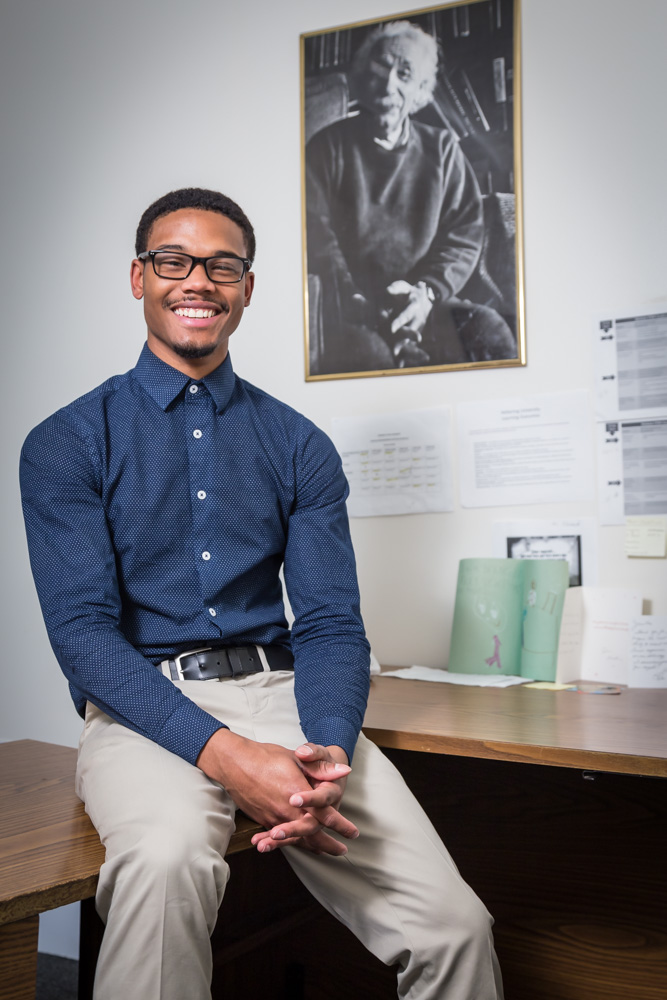
STEMletics-9As a senior at Kettering University, Jonathan Blanchard is only a few years into his adulthood. Yet, he has an unmistakable, powerful, and passionate concern for the next generation.

Summer time means that once again the Greater Flint Olympian and CANUSA Games are underway. This year, they are celebrating 60 years of the Greater Flint Olympian games and the 59th year of the CANUSA Games.

The summer of 2012 found Geena Gall basking in the euphoria of being an Olympian.

These are just a few of the thousands of messages that have been painted on The Flint Block, a concrete structure at 12th Street and Hammerburg Road – messages of hope, memorials to lost loved ones, birthday and anniversary messages. For years, community members and graffiti artists have been painting the iconic Flint landmark.

On a hot July day, there’s nothing better than a sweet, creamy ice cream treat to cool you down! And there is a 100-acre working dairy farm in Ortonville that provides quality dairy products “From Moo to You!” At Cook’s Dairy Farm, strong faith, traditional family values, and hard work are the guiding philosophies. It’s been around since 1933, and is now owned and operated by the third generation of the Cook family. Clark Cook took over the business in the 70s, following in the footsteps of his father and grandfather. Clark’s wife, Lori, does the books, and two of his son’s – Quentin and Nathan – help work the farm. “We milk the cows, and produce feed and milk products onsite,” Clark explains.

aprilwagner-8Born in Muskegon, Wagner’s connection to Flint began when Ridgway and Shannon White approached her Pontiac glassblowing studio – Epiphany – to commission her to create a piece for the Flint Institute of Arts’ annual fundraiser, The pARTy. “I hadn’t known much about Flint, but the more I come here, it’s so great,” Wagner says. “Everyone is so friendly, and there’s such a wonderful sensibility about the arts.”


The USDA National Organic Program (NOP) defines organic as follows: Organic food is produced by farmers who emphasize the use of renewable resources and the conservation of soil and water to enhance environmental quality for future generations. Organic meat, poultry, eggs, and dairy products come from animals that are given no antibiotics or growth hormones. Organic food is produced without using most conventional pesticides; fertilizers made with synthetic ingredients or sewage sludge; bioengineering; or ionizing radiation. Before a product can be labeled “organic,” a Government-approved certifier inspects the farm where the food is grown to make sure the farmer is following all the rules necessary to meet USDA organic standards. Companies that handle or process organic food before it gets to your local supermarket or restaurant must be certified, too.

Yes, dreams do come true. For Stacie Scherman, who recently obtained her graduate degree in English at University of Michigan-Flint, her dream of business ownership became a reality this year with the launch of the Flint Podcasting Company. In starting the business, Stacie has merged her talents and her passion for Flint. “I will produce some of the podcasts myself, as well as host podcasts produced by other people,” Stacie says.

This past year, there were more than 700 international students attending UM-Flint – the most they have ever hosted.

For over 20 years, Yvonne Penton has worked with young girls who are pregnant and on their own. “I was a teen mom,” she says. “People make bad choices all of the time; but someone helped me, and I let them.” Now, she is CEO and Founder of The House of Esther, a maternity educational care center that offers hope, education, encouragement and support to girls who find themselves in this same situation.