







Our nation needs three million more residences than are available today, across all price ranges, to meet the exploding demand for homeownership. That includes starter houses, condominiums, and fixer-uppers, as well as larger, higher-priced homes in every region of the United States.
News sites such as Bridge Michigan say Genesee County needs about 7,000 more housing units, part of Southeast Michigan’s shortage of 50,000 places to hang our hats. That’s just part of Michigan’s current need for 200,000 additional residences especially for low- and moderate-income families, observers say.

One major problem behind these housing shortages is that purchase prices have skyrocketed. Many would-be homebuyers simply can’t afford the limited supply available. Today’s loan interest rates are also discouraging buyers.
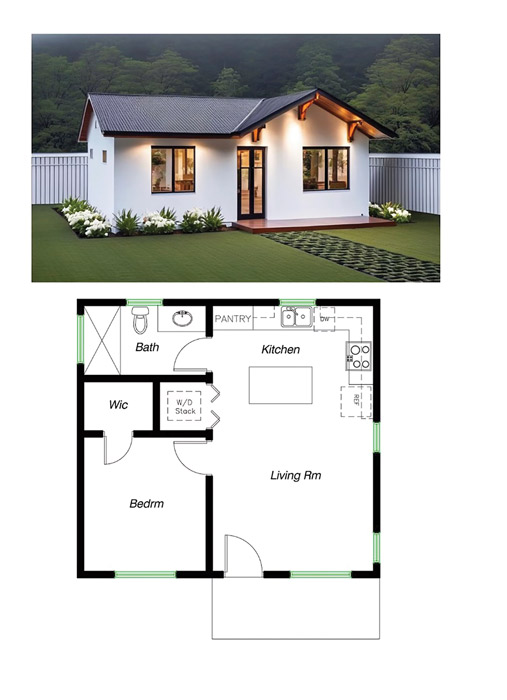
The smartest remedy possible is to build two residences on one home site, thanks to accessory dwelling units (ADUs) or “granny pods.” These can be basement apartments, backyard cottages or even garage conversions, and their popularity is growing. A typical ADU is simply a small apartment. Most include three rooms; a living room and small kitchen/dining area, a bedroom with closets and a handicapped-equipped bathroom. The best units have a separate entrance for privacy, and some include a parking space or even a garage for the ADU resident’s use.










Some local governments are streamlining paperwork and reducing zoning hurdles, making it faster and more affordable to build additional housing. These changes can produce meaningful results while lowering costs. The Florida Legislature now requires municipalities to allow ADUs in all single-family residential areas, making such expansions easier.
These self-contained units could greatly reduce housing shortages all over the nation. Adding an ADU increases a home’s value because it is so versatile. Whether an older family member moves in or whether you rent the ADU to a stranger, you’ve got more housing options under one roof. An ADU can also become a home office, she-shed or guest suite, too.
In Japan, families often bring aging relatives into the home rather than placing them in expensive senior living communities. Cultural traditions support multigenerational living, and many older adults prefer having their own space rather than living in the center of a busy household.
It’s expensive to live in Canadian cities such as Toronto, so thousands of homeowners have created separate ADU living spaces in a basement, upstairs or garage. That also provides rental income to help owners pay off their home mortgage. Some homes have converted basements AND upstairs areas to double rental income.
Construction costs today can range from $100,000 for a basement conversion to $350,000 for a detached backyard build in the U.S. And, recent data shows properties with a permitted ADU can sell for an average of 35% more than comparable homes without one.
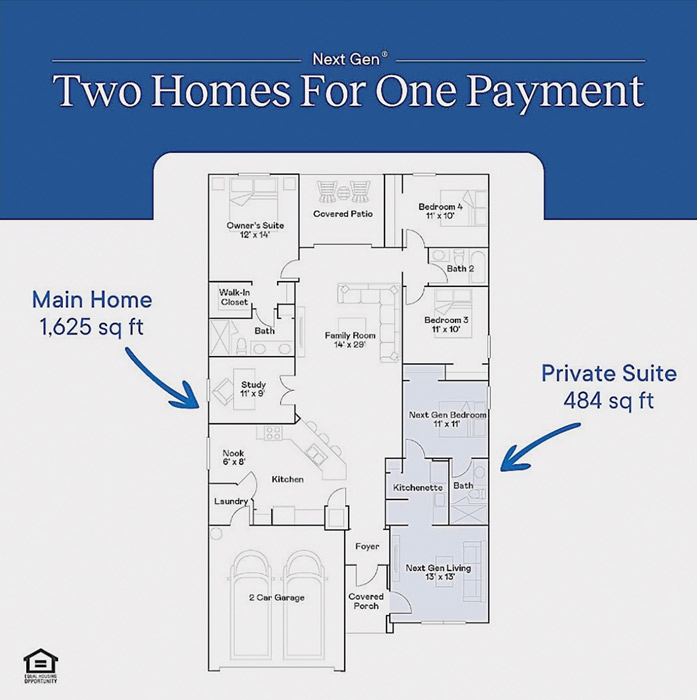
If I were in charge, I’d start to relieve our nation’s housing shortage by requiring that all remodeling projects must include adding an ADU. This could be a low-risk strategy for long-term wealth building and housing security.
Plus, wives would always have a convenient place to send their husbands to sleep alone for the night, after a major family feud!
Mark W. Rummel is a lifelong news guy who has worked in communications since 1972. Along the way, the Fenton, Michigan, resident and his wife Sally even worked for the Walt Disney Company. They opened and operated the Mancino’s of Fenton restaurant in 1998 and now enjoy traveling and spoiling their grandkids. Mark always appreciates your comments at MarkWRummel@gmail.com