











Alzheimer’s disease is one of the most heartbreaking conditions of our time. It not only robs individuals of memory and independence but also deeply affects families and caregivers. Dealing with Alzheimer’s disease during the holidays can mean focusing on simple, familiar traditions, keeping gatherings calm and comforting, and cherishing moments of connection over perfection.
While science continues to search for a cure, one undeniable truth has emerged: the way we nourish our bodies directly impacts how we protect our minds.
As someone dedicated to whole-person health, I believe food isn’t just about physical strength—it’s also about mental resilience. The choices we make at the table can either fuel brain health or quietly contribute to cognitive decline.
The Brain–Nutrition Connection
The brain is a hungry organ. Although it makes up only about 2% of our body weight, it consumes 20% of our daily energy. That means the food we eat has a direct and immediate effect on how well it functions.
Diets high in processed foods, sugars, and unhealthy fats can accelerate inflammation, oxidative stress, and insulin resistance—all of which are linked to Alzheimer’s disease.
On the other hand, a nutrient-rich diet can:
- Protect brain cells from damage
- Improve communication between neurons
- Reduce inflammation
- Support memory and focus
Foods That Protect the Mind
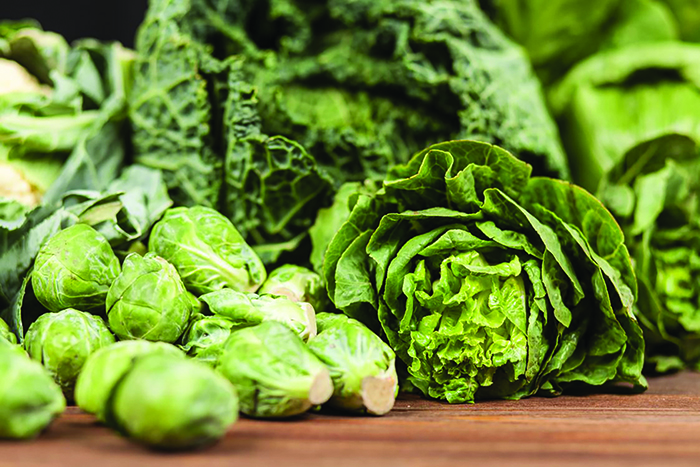
1 | Leafy Greens
Spinach, kale, and collards are packed with folate, vitamin K, and beta-carotene. These nutrients help slow cognitive decline and protect the brain against age-related changes.
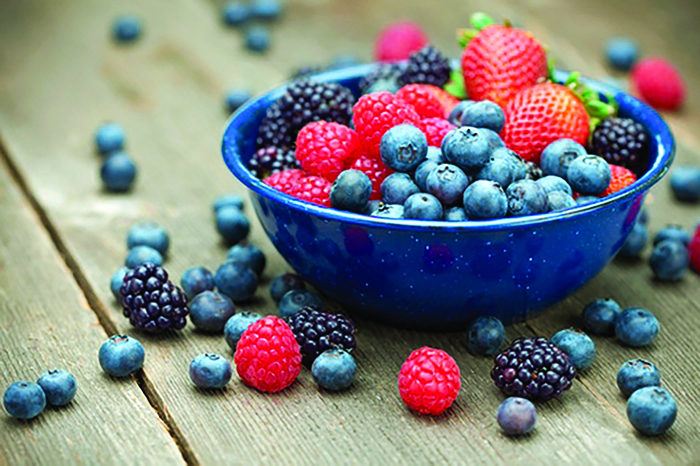
2 | Berries
Blueberries and strawberries are rich in antioxidants called flavonoids, which improve communication between brain cells and enhance memory.
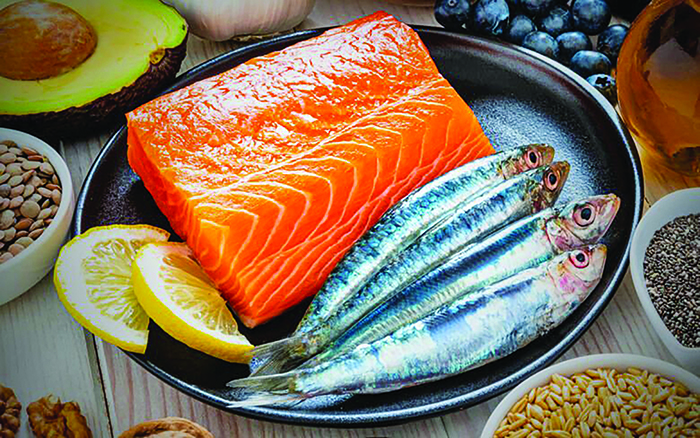
3 | Fatty Fish
Salmon, sardines, and mackerel provide omega-3 fatty acids, which reduce inflammation and promote the growth of new brain cells. Omega-3s are also linked to slower Alzheimer’s progression.
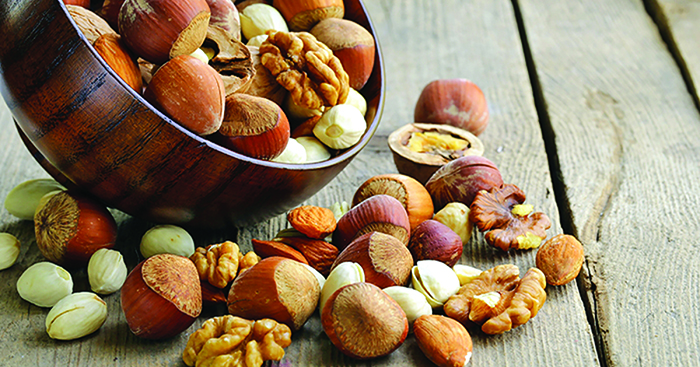
4 | Nuts and Seeds
Almonds, walnuts, and flaxseeds are excellent sources of vitamin E and healthy fats. Vitamin E helps protect neurons from oxidative stress.
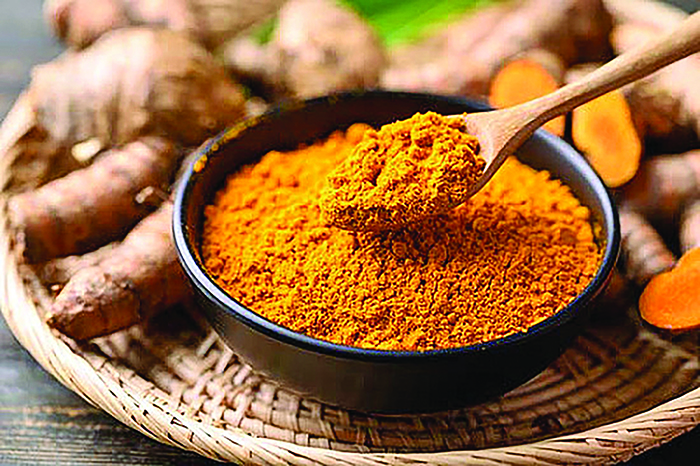
5 | Turmeric
Curcumin, the bright yellow compound in turmeric, crosses the blood–brain barrier and reduces inflammation. Studies suggest it may play a role in preventing the buildup of harmful plaques in the brain.

6 | Olive Oil
The cornerstone of the Mediterranean diet, olive oil contains monounsaturated fats and antioxidants that support vascular health—critical for maintaining strong blood flow to the brain.

Lifestyle Diets That Show Promise
- The Mediterranean Diet
Emphasizes whole grains, vegetables, fruits, legumes, nuts, fish, and olive oil. Numerous studies link it to slower cognitive decline. - The MIND Diet
A hybrid of the Mediterranean and DASH diets (originally developed for heart health), the MIND diet is specifically designed to improve brain function.
More Than Food: A Holistic Approach
Nutrition plays a central role, but it’s part of a bigger picture. To truly care for the brain, we must care for the whole body:
Stay active: Physical exercise increases blood flow to the brain.
Sleep deeply: During sleep, the brain clears toxins that build up during the day.
Stay connected: Social interaction stimulates mental activity and reduces the risk of cognitive decline.
Manage stress: Chronic stress damages neurons and accelerates memory loss.
Alzheimer’s disease can feel overwhelming, but we are not powerless. Every meal is a chance to protect and nourish our minds. By choosing foods that reduce inflammation, improve circulation, and support brain health, we invest not just in longer lives—but in sharper, fuller, more meaningful ones.
At Healthy Just Feels Right, my mission is simple: to empower people with knowledge and practical steps to take control of their health. Nutrition may not be the cure—but it is one of the most powerful tools we have to fight back against Alzheimer’s.
Because when it comes to caring for our minds and memories, the food on our plate is not just sustenance—it’s protection, prevention, and hope.