










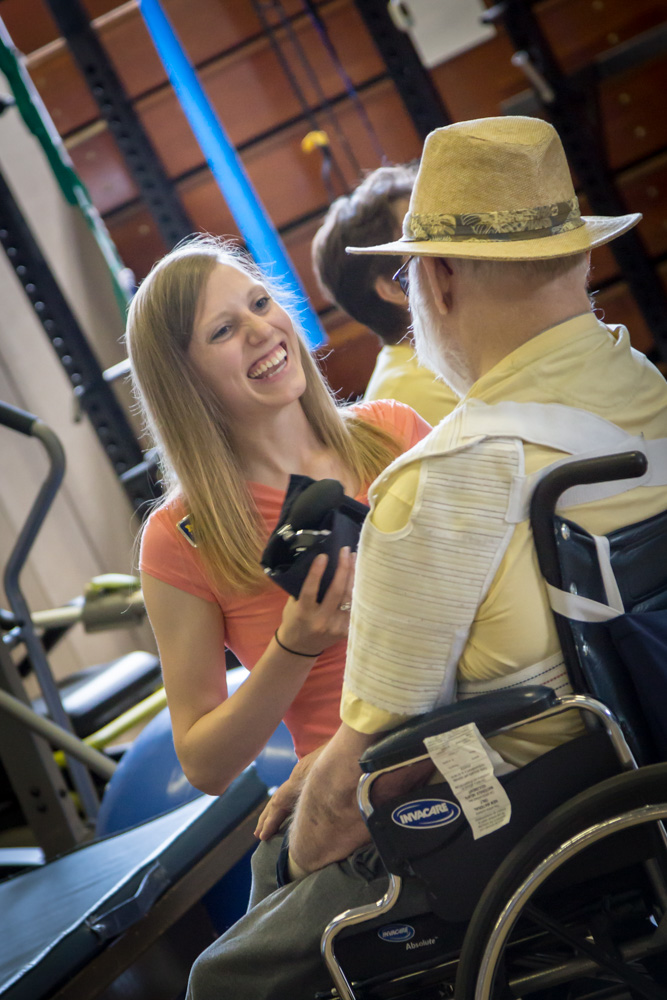
 Students in the Physical Therapy Department at the University of Michigan-Flint have big hearts – and a huge desire to contribute to the community. They not only undergo rigorous physical therapy training and study for many long and tedious hours; they have also formed a student-led, pro bono clinic at the Catholic Charities North End Soup Kitchen. Founded in January 2012, the non-profit clinic is called PT HEART (Physical Therapy, Health Education and Rehabilitation Treatment). The clinic is overseen by a student board of directors, operated by students, and is funded through grants, donations and fundraising.
 September is National Service Dog Month, dedicated to raising awareness and showing appreciation for the extraordinary work that service animals do.
 For kids, summer camp can be a profound experience – an opportunity to be outside and physically active, gain confidence and resiliency – and to unplug from technology! Since 1916, The YMCA Camp Copneconic has been providing outdoor programs for kids and families. According to Executive Director John Carlson, Camp Copneconic has become the leading camp in the nation in forging partnerships with local organizations to meet the changing health needs of the community, and provide high-quality care for all children at camp.