










BROWSING:  History

In the 19th century, many Irish settlers came to Flint. Many churches were established by the Irish, including St. Michael’s, which was started by Catholic immigrants from Ireland. According to the church’s history on their website, St. Michael’s originated in 1844, and it was Genesee County’s “Mother Church.” For 25 years, it was the only Catholic church serving the area.

Concluding our four-part series on the origins of Genesee County, let’s go back (although not very far) to a glamorous time – a time when the Durant Hotel was more than an office building. Durant Hotel is part of our “Origins” story because it is a piece of history that still exists; but it is currently making its own history … as an office building, sure, but history nevertheless.

Up until the year 1840, Genesee County had a self-sufficient economy through successful agricultural production, fishing, hunting, and farm and forest work. Agriculture was the main occupation in 1840 with 3,300 residents registered in this line of work out of 4,269 total residents. It is not surprising that most of the workers were in manufacturing, trade, commerce, and learned professions, and that these residents were living along both sides of the old Saginaw Trail for optimal trade opportunity. At this time, agriculture was still the county’s most common occupation, with 4,501 farms producing $5,198,827 worth of goods.

Where did Genesee County inhabitants come from? Where did they settle once they arrived? For Part 2 of our series, let’s explore the immigration and settlement patterns of early Genesee County.

When what is now Genesee County began to take shape (back in the ol’ days!) there was much experimentation with what to call all the different places that now, just roll off the tongue without a thought. To introduce My City Magazine’s four-part series on the many origins of Genesee County, let us start with its name.

Whether you believe ghosts are real or not, Flint’s history certainly is real…but would it be so hard to believe that some of that “history” stuck around? Perhaps, a Civil War colonel never wanted to leave the house that he lived in, or a vaudeville dancer never wanted to leave the theatre where she performed? Of course, old, historic buildings tend to bring up tales of spooky sightings and frightening feelings from staff members and guests.

From April 4-11 1947, a combination of melting snow, moderate-to-intense spring thunderstorms, and increased runoff resulted in downtown Flint’s Saginaw Street being submerged under chilly spring water, splitting downtown in half.

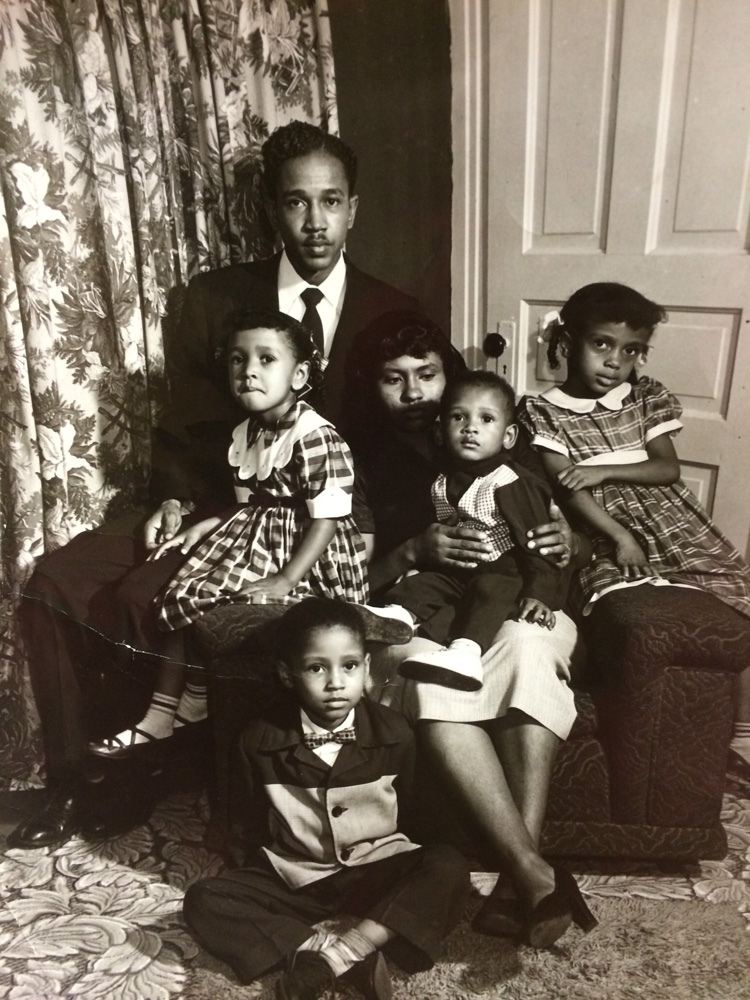
mccree-1In 1966, a time when civil rights proponents and racially segregated neighborhoods were clashing across the country, Floyd J. McCree was selected by his fellow commissioners to be the next mayor of Flint. He had served on the city commission since 1958, but from 1966 onward, his name would be recognized as one of the country’s first black mayors.
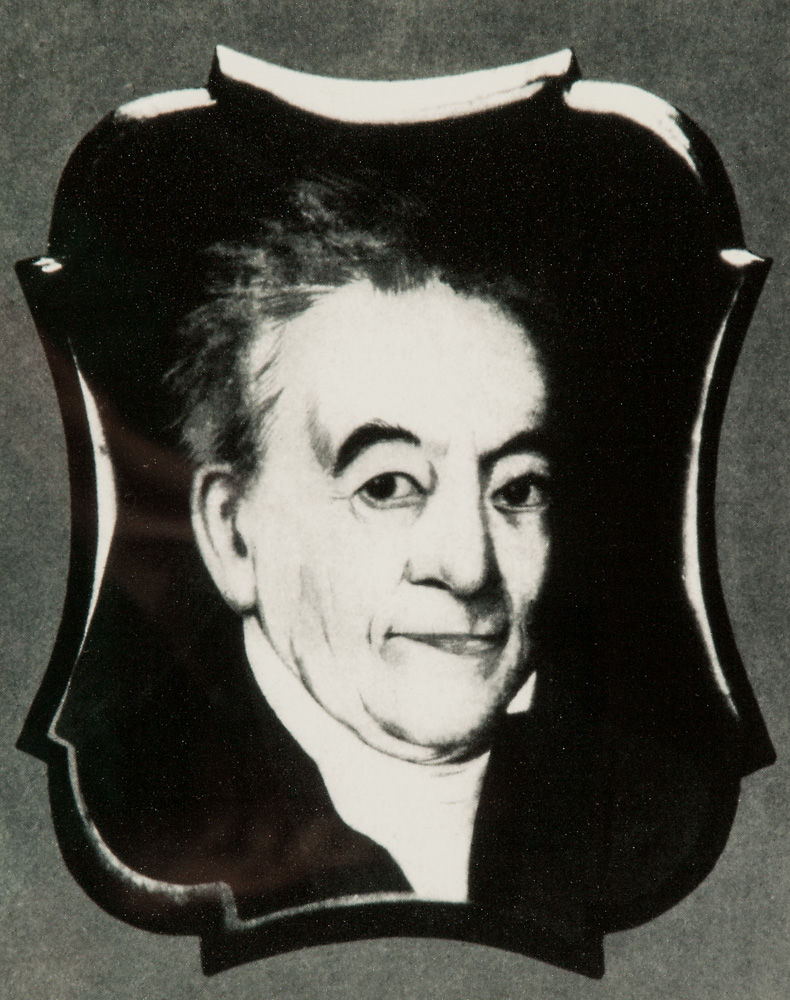
beach-1One of Flint’s early pioneers was an American Revolutionary War veteran named Jonathan Beach. Beach Street in Downtown Flint is assumed to have been named after Jonathan Beach or the Beach family. His story begins out East in Goshen, Connecticut where he was born around October 1760 or 1761, the son of Deacon Edmund and Mary Deming Beach. He grew up to become a successful blacksmith and later, a farmer. The blacksmith trade was vital during the Revolution, providing necessary cannons, weaponry, horseshoes and hobnails for troop boots. According to military records, Beach served in Col. Sheldon’s 6th Brigade in 1780 and in Gen. Waterbury’s State Brigade in 1781, and he was also an aide to General George Washington for a period of time.

June 8, 1953 started out as a warm spring day in the Flint-Beecher community – but by nightfall, the day would be memorialized by a fatal natural disaster that precipitated numerous acts of humanity as rescue workers rushed to the aid of others in the chaotic days that followed.

Smith was born in Quebec in 1773 to a soap-maker. He married his first wife Mary Reed in 1798, spoke French and English, and worked in the family butchery. However, Detroit records from only two years later list Smith as a fur trader with the Chippewa population. In the search for opportunity, fur trading was a particularly lucrative field at this point in history, thanks to European fashions. Pelts, especially beaver and sea otter, as well as occasionally deer, bear, ermine and skunk, could make a man rich, if he were hardy enough to navigate the territory and savvy enough to trade with the native population. It is clear that by 1807, Smith had become fluent in the Chippewa-Ottawa dialect of the Algonquin language in order to augment his wealth.

Turns out, Kearsley Street is named for Jonathon Kearsley, a two-time Mayor of Detroit who fought in the War of 1812 and had nothing to do with Flint.