




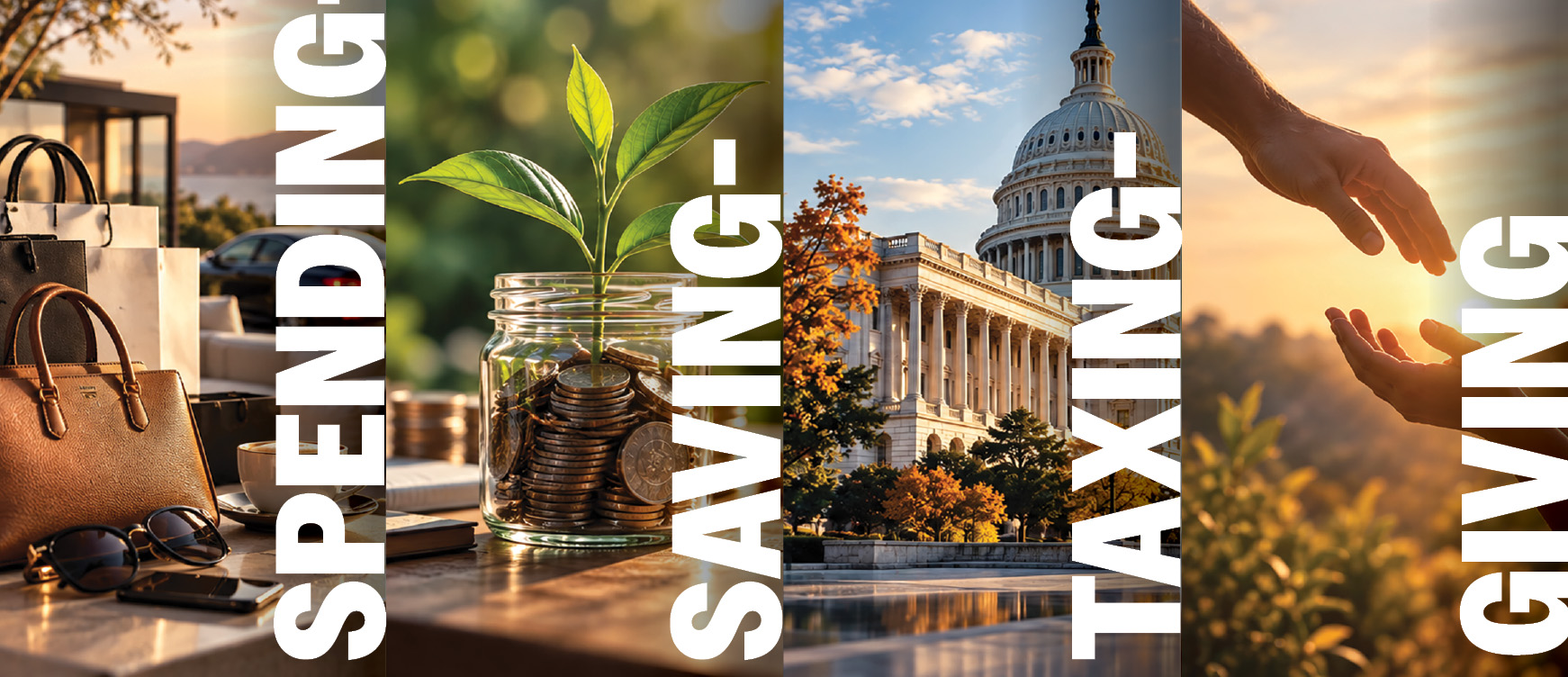
When it comes to your money, there are only four things you can really do with it: spend it, pay taxes, save it or give it away. With year-end right around the corner, it’s a great time to review our financial blessings and make decisions about our money. It’s also a great time to look back at the year, see what went well and consider what could have gone better as we think about the year ahead.
Spending is where we get most of the benefits of pursuing a better life. Whether it’s a new house, car, purse or gadget, these things are generally intended to make our lives, or the lives of the people around us, better. Morgan Housel’s book, “The Art of Spending Money,” goes deep into the topic, and I highly recommend it. It highlights that there really is no “right” way to spend.
Don’t let anyone tell you what you should or shouldn’t spend money on. You have to figure out what makes you happy and fulfilled.

Saving is a less sexy way to think about money, but it is certainly something we never want to run out of. Just as squirrels stash acorns for the winter, we plan ahead by regularly setting aside savings each pay period in the form of retirement or personal savings. Outside of workplace retirement plans, there is no limit on what we can save in a personal savings or investment account. Employer plans integrated into your payroll are the easiest form of deferred savings, and it’s generally encouraged to maximize these tax-sheltered options.
“Spend less than you make. Quietly compound. Money serves you, not the other way around. No one is thinking about you as much as you are. Independence is wealth. Health is wealth. Aim to be a good ancestor. Love your family.”
— Morgan Housel,
The Art of Spending Money, 2025.
For 2026, the maximum retirement plan contributions for 401(k), 403(b), 457(b) and TSP plans are image80,000 with catch-up). Are you saving enough?










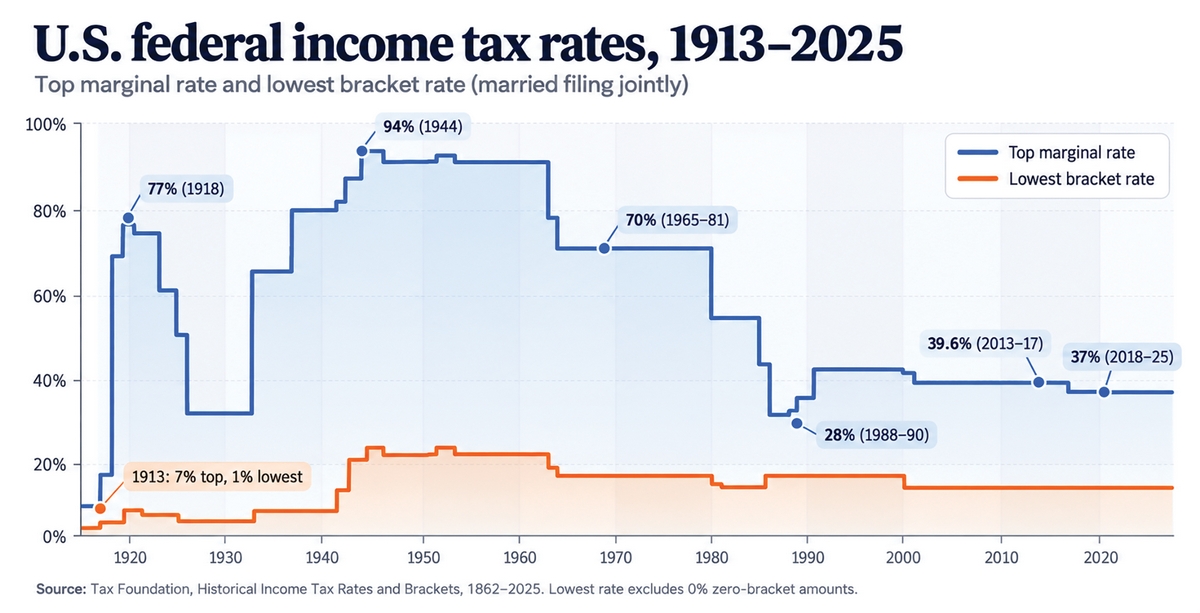
Taxes are simply a symptom of income and a direct reflection of provision. The more you make, the more you pay in taxes. While there are some great strategies for reducing your tax burden, especially if you are charitably inclined, paying taxes should be approached with gratitude because you cannot pay taxes unless you first have income. Taxes may seem astronomical, but we actually have some of the lowest marginal tax rates in recent history. Still, no matter what we do, it will always feel like a fifth of the harvest is going to Pharaoh.
Giving is perhaps the key to financial contentment and financial freedom. If you are able to give, you should take full advantage of the opportunity to give while you live. As the saying goes, you can’t take it with you.
In 2026, the annual gift exclusion is $19,000 per individual, and if you itemize, you can deduct charitable gifts of up to 60% of your adjusted gross income (AGI). If you give regularly to a nonprofit or church, speak with its donor department about ways to give more tax-efficiently, such as through highly appreciated stock or, if you are over age 70½, a qualified charitable distribution from your IRA. Don’t miss your chance to give generously while you live.

Noah C. Morgan, MBA, CFP, EA, is a Certified Financial PlannerTM and Principal at Acorn Wealth Advisors, a boutique SEC-registered investment advisory firm in Fenton, MI. For nearly two decades, he has helped individuals, business owners and families make confident, well-informed decisions in every area of their financial lives, from investments and retirement to tax and estate planning to live the life they want and need.