



In the summer of our 11th year on Earth, Lenny Gladding and I got up every morning at the crack of dawn, something we had never done before. We did it so we could meet at the corner of Wisconsin and Minnesota avenues and make our way the extra block and a half to our personal playground: Kearsley Park.
But in late June of 1976, it wasn’t for our usual reasons—playing football or baseball, heading to the pool, or driving the miniature cars across the Mini Mighty Mac Bridge at IMA Safetyville.

This time, we were there to witness the greatest celebration either of us had ever seen. The Bicentennial festivities at the park had taken on an almost mythical quality once we learned there would be encampments representing both George Washington’s Continental Army and the British regulars under Cornwallis. Kearsley Park had hosted its share of events over the years, including Flint’s annual Fourth of July celebration, but this was different. This was epic. After all, it was America’s 200th birthday party.
The buildup began well before 1976. Throughout 1975, concerts, gatherings, and celebrations were promoted across the country in anticipation of the Bicentennial year. When the calendar finally turned to January 1976, the excitement intensified. The official national celebration had kicked off on April 1, 1975, when the American Freedom Train departed Wilmington, Delaware, embarking on a 23,388-mile journey across the contiguous United States.
The Spirit of ‘76 was real and alive. Coming on the heels of the long Vietnam War, which had ended only a year earlier amid division and disappointment, the national mood in 1975 could hardly be described as buoyant. Yet there was something about the Bicentennial that seemed to symbolize renewal. Its energy permeated communities across the country, and in Flint it was especially palpable. The national mood shifted from morose to optimistic with surprising speed as anticipation for the Bicentennial grew.










Coming on the heels of the long Vietnam War, which had ended only a year earlier amid division and disappointment, the national mood in 1975 could hardly be described as buoyant. Yet there was something about the Bicentennial that seemed to symbolize renewal. Its energy permeated communities across the country, and in Flint it was especially palpable.
By late June 1976, excitement had reached a fever pitch. Area schools ended the academic year with Bicentennial-themed concerts and celebrations. I joined in as a member of my school band. My big moment came when I was chosen to read a patriotic poem before a large crowd gathered outside Washington School. Behind me, my fellow band members provided dramatic musical accompaniment while our fourth-grade Flag Boys raised a special American flag featuring 13 stars to represent the original colonies. Mayor James Rutherford attended and presented the school with a commemorative proclamation.
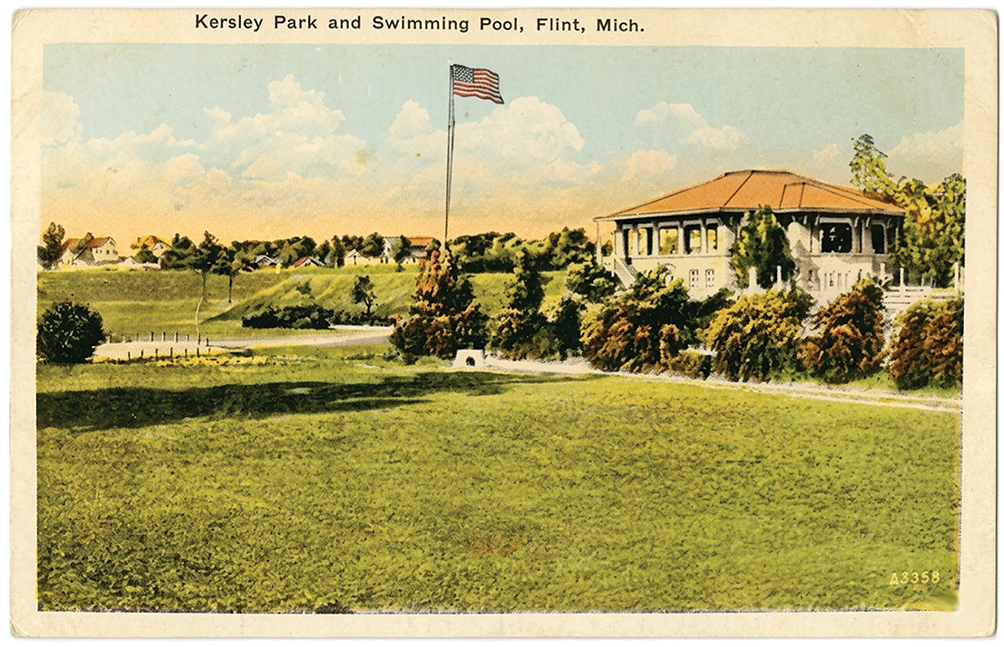
Meanwhile, throughout Flint and Genesee County, Bicentennial activities were accelerating. Schools hosted colonial-themed events ranging from butter churning demonstrations to sewing bees, while churches across the city incorporated colonial themes into their worship services. But the real action was at Kearsley Park.
Lenny and I arrived extra early on the Fourth to take it all in. At 8 a.m., the festivities began with the assembly of British and colonial troops. The colonial reenactors were known as the First Michigan Committee of Safety, and when I say they had an encampment, I mean they actually slept in tents in the park. They had been living there for days.
My friend Joe Rundell, who has since passed away, was one of those reenactors. He later told me it was among the most enjoyable experiences of his life. Joe, a devoted history enthusiast, also became the sculptor responsible for the automotive-history statues that now stand along Saginaw Street.
At 11 a.m., religious services were held, as July 4 fell on a Sunday that year. At noon, the armies sprang into action. The music from the park grew louder. Vendors became busier. Smoke from barbecue grills filled the air with the irresistible aroma of spareribs, hamburgers, hot dogs—Koegel’s, undoubtedly—and steaks sizzling over open flames. The crowds continued to grow thicker by the minute.
Then at 2 p.m., the two armies squared off for a cannon battle show. Real cannons in the park. This was no ordinary Fourth of July!
Then at 2:30 p.m., music from the bandshell started up again and, in fact, the entire park was rocking with joy. The community was assembling to join what was proving to be a momentous day. Somewhere in the middle of it all, they held a fashion show—colonial fashions on parade.
Then at 3:30 p.m., the armies reassembled for a full on battle.
Lenny and I jockeyed with the other kids for a prime position to watch the fight. The redcoats and the blue-coated colonials attacked and retreated, attacked and engaged, with brass flashing, guns blasting, and smoke billowing. It was nothing short of magnificent. To no one’s surprise, the colonials prevailed, although it was a little touch-and-go there for a minute.
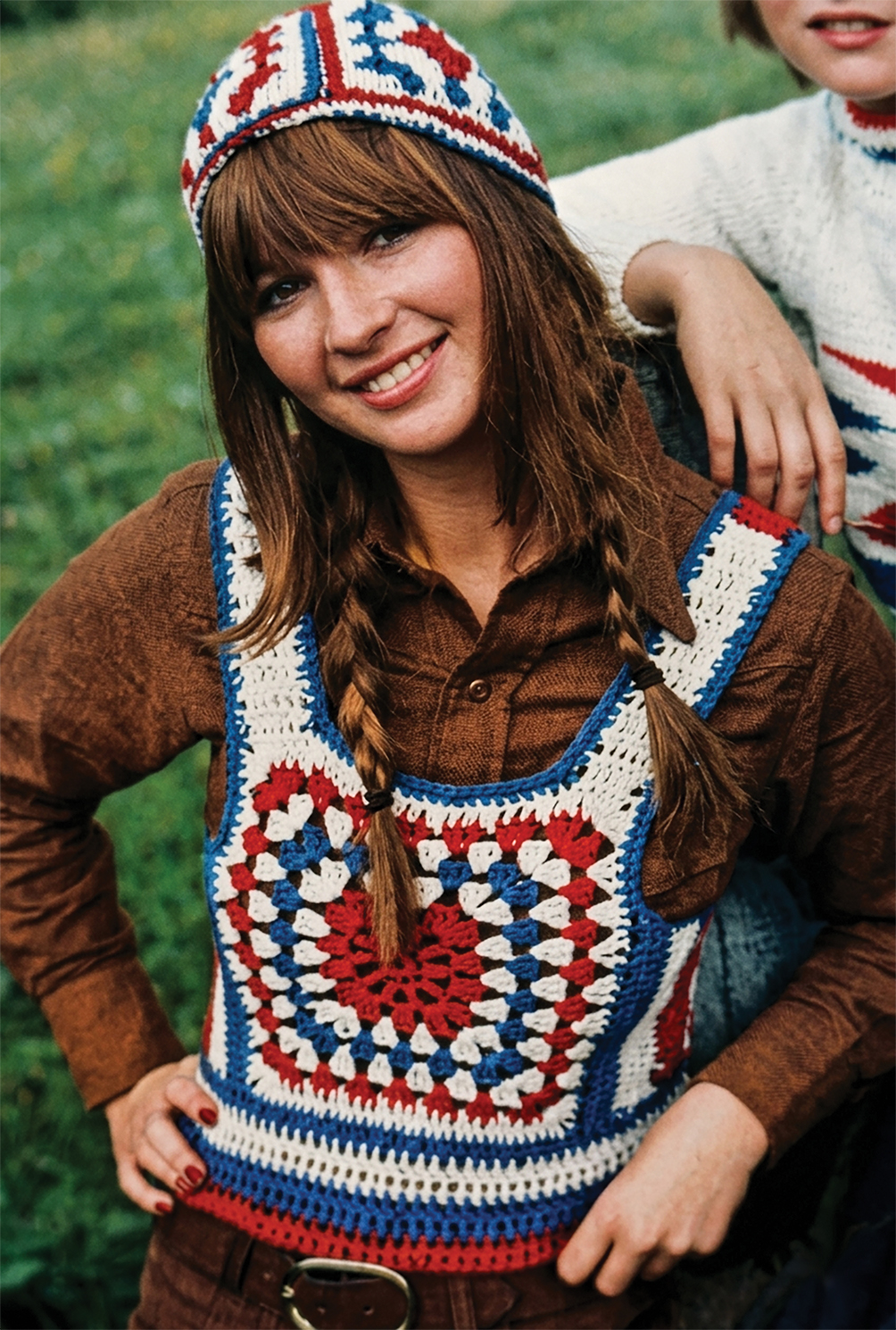
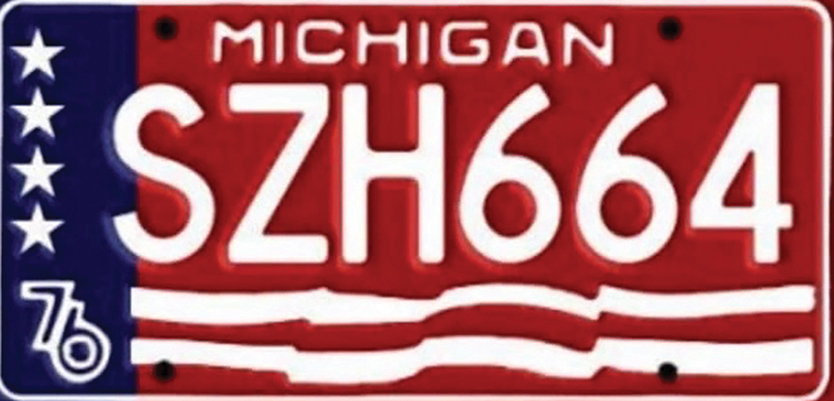
Around the city, people gathered in backyards and neighborhood parks to celebrate in their own ways. There were parades, concerts, colonial-themed exhibits, and fireworks displays scattered throughout Genesee County. But for Lenny and me, the center of the universe was Kearsley Park.
At 6 p.m., the big Flint parade assembled on the Court Street campus of Mott Community College and began its journey downtown, where crowds lined the streets waiting for the Spirit of ’76 to arrive. Some people left the park to catch the parade.There were parades, concerts, colonial-themed exhibits, and fireworks displays scattered throughout Genesee County. But for Lenny and me, the center of the universe was Kearsley Park.
Not us.
We stayed put, watching the fireworks crews begin their preparations. But as the seven o’clock hour approached, we finally made a beeline for home. My parents had our own Fourth of July celebration waiting, and that was something neither of us wanted to miss.
Dad had ribs and steaks sizzling on the grill. Mom was putting the finishing touches on her famous potato salad, Spanish rice, and three-bean salad. The smells alone were enough to pull me away from the park.
I had my red, white, and blue wristbands on and a white Spirit of ’76 T-shirt. I was ready for the grand finale.
Our house sat only two blocks from Kearsley Park, giving us a perfect view of the fireworks to come. Besides, the Fourth of July had always been my favorite day of the year—even better than Christmas.
Every street in our neighborhood was packed with cars. People tailgated in driveways and front yards. Teenagers gathered in groups. Lawn chairs appeared from trunks. Music poured from open windows and portable radios. The soundtrack of that summer seemed to play everywhere: “Afternoon Delight” by the Starlight Vocal Band, “Silly Love Songs” by Paul McCartney and Wings, “Don’t Go Breaking My Heart” by Elton John and Kiki Dee, “Take the Money and Run” by the Steve Miller Band, and “Rock and Roll Music” by the Beach Boys.
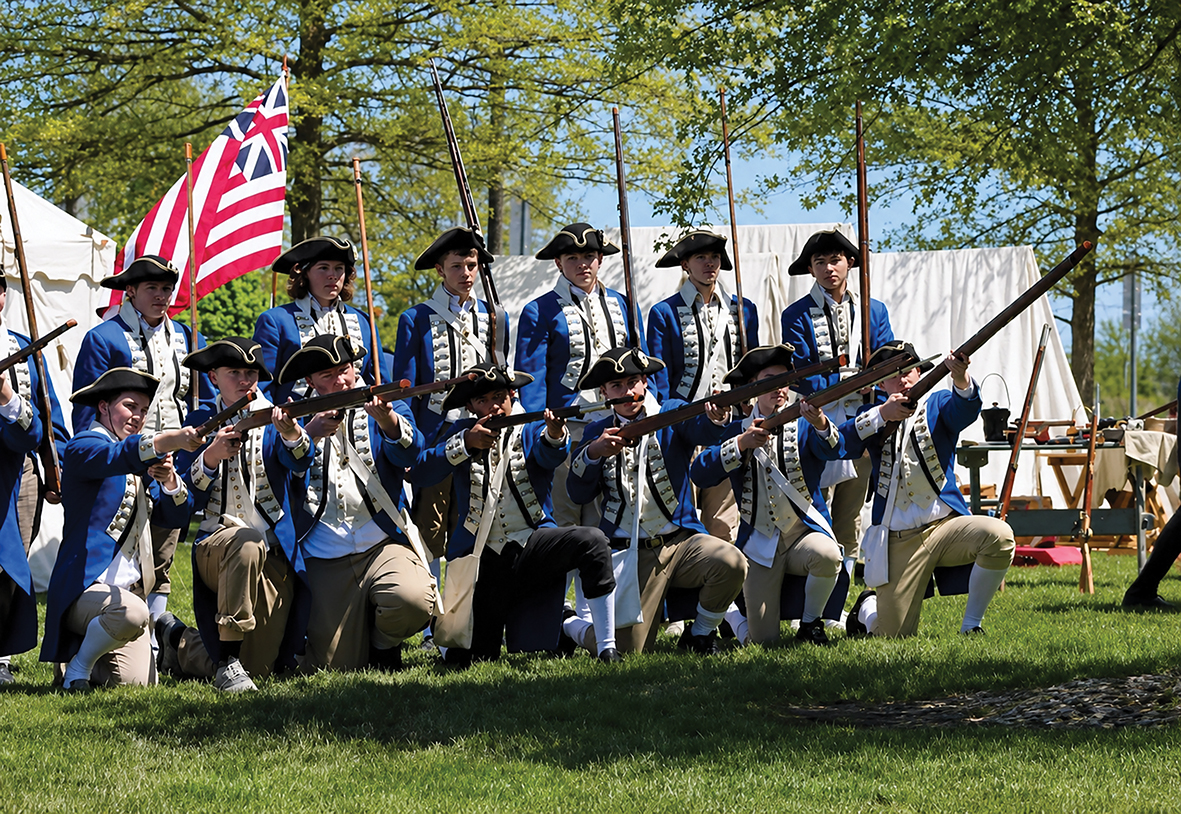
The colonial reenactors, known as the First Michigan Committee of Safety, created an encampment, and slept in tents in the park for days.
Lenny and I talked about the battle we had watched earlier. We debated which side had looked more convincing and laughed about how we would have charged the colonial lines if we’d been allowed onto the battlefield. Like every 11-year-old boy in America that summer, we were already imagining ourselves as heroes of 1776.
Then darkness settled in.
The music faded.
The anticipation grew.
And from the west came the first thunderous salvo.
BOOM!
Louder than the colonial cannons.
A brilliant burst of red, white, and blue exploded across the sky. Then another. And another.
The heavens seemed alive with light.
Meanwhile, we were launching bottle rockets from the driveway. My little sister Vickie and her friends, Amy Lane and Steffie King, dueled with sparklers. Our dads popped open Pabst Blue Ribbon beers while Mom kept making rounds with bowls of potato salad.
At one point I looked over at Lenny. “We’ll never top this,” I said.
“I know, man,” he replied. “This is great.”
“I hope we’re around for the 250th.”
Lenny laughed.
“We’ll be old men!”
We both cracked up.
I buried my face in a banana flip Mom had brought out for dessert, while Lenny took a long pull from his giant bottle of Mountain Dew. I grabbed my own bottle, and we clinked them together in a toast. We agreed it had been the greatest Fourth of July either of us had ever experienced.
Then we turned our eyes back to the sky and waited for the next explosion.
As America celebrates its 250th birthday on July 4, 2026, I’ll find myself thinking back to that summer day in 1976. I’ll remember the smell of barbecue smoke drifting across Kearsley Park. I’ll remember the crack of muskets, the roar of cannons, and the sight of colonial soldiers marching across the grass. I’ll remember the music, the crowds, and the feeling that an entire community had come together to celebrate something bigger than itself.
Most of all, I’ll remember the people. I’ll remember my sister waving sparklers in the darkness. I’ll remember my mom carrying bowls of potato salad and my dad tending the grill. I’ll remember friends who are no longer here and neighbors who helped make that neighborhood feel like home.
And I’ll remember Lenny.
Maybe, just maybe, we’ll find a way to meet again on America’s 250th birthday. Maybe we’ll raise a pair of Mountain Dews and toast the country we celebrated as boys half a century ago.
And for a moment, standing beneath another Fourth of July sky, we’ll be 11 years old again—back in Kearsley Park, watching the Spirit of ‘76 light up the night.
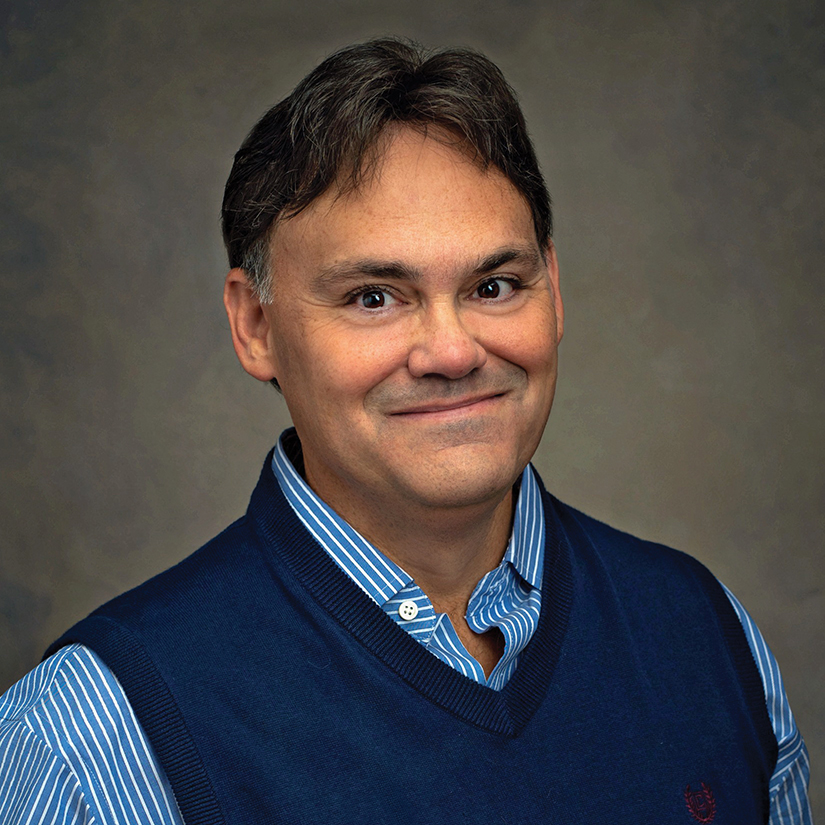
Gary L. “Fish” Fisher is President of the Genesee County Historical Society. Born and raised in Flint, he has lived in the area most of his life and his family has been a part of the Flint area for over 115 years. His fascination with the history of the city has existed as long as he can remember. In addition to writing, he is the President of G.L. Fisher Capital Management, LLC , an investment and financial planning firm he founded in 1992. He asserts that Flint has produced the best cars, athletes and coney islands the world has ever known – and the toughest people! Fisher can be reached at ply2win2006@aol.com.