





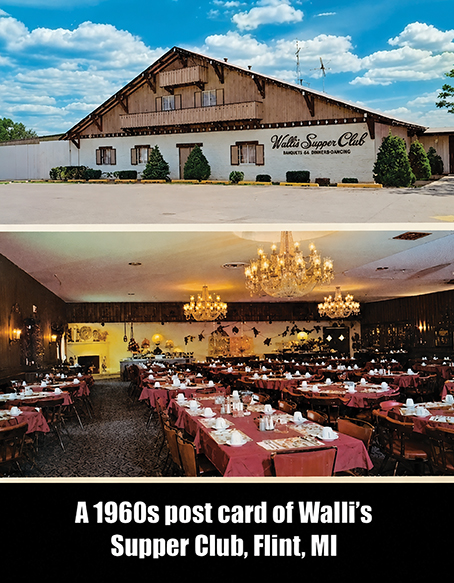
Why are Italia Gardens, Starlite Diner and Ruggero’s restaurants all still popular local dining places today, while Makuch’s Red Rooster, Uncle Bob’s Diner and Walli’s Supper Club are gone?
Folks once waited in line to eat at Tom Z’s Flint Original Coney Island, Howard Johnson’s and the Country Kitchen, but why are they just memories today?
Anyone who brags that they know the correct answer to these questions is stretching the truth. Yet many people dream of starting their own restaurant, ice cream shop or even food truck. They promise to “use my grandmother’s recipes, do all the cooking myself and serve people around the clock … even on Christmas.”
Those hopeful dreamers quickly realize that the food industry is a tough, demanding, expensive and time-warping business. Research shows that one of every five new U.S. restaurants doesn’t make it through the first year. Almost half close within five years, and two out of every three don’t survive a decade. That’s why popular places still serving hungry customers after 25 or 50 years are the exception — certainly not the rule.
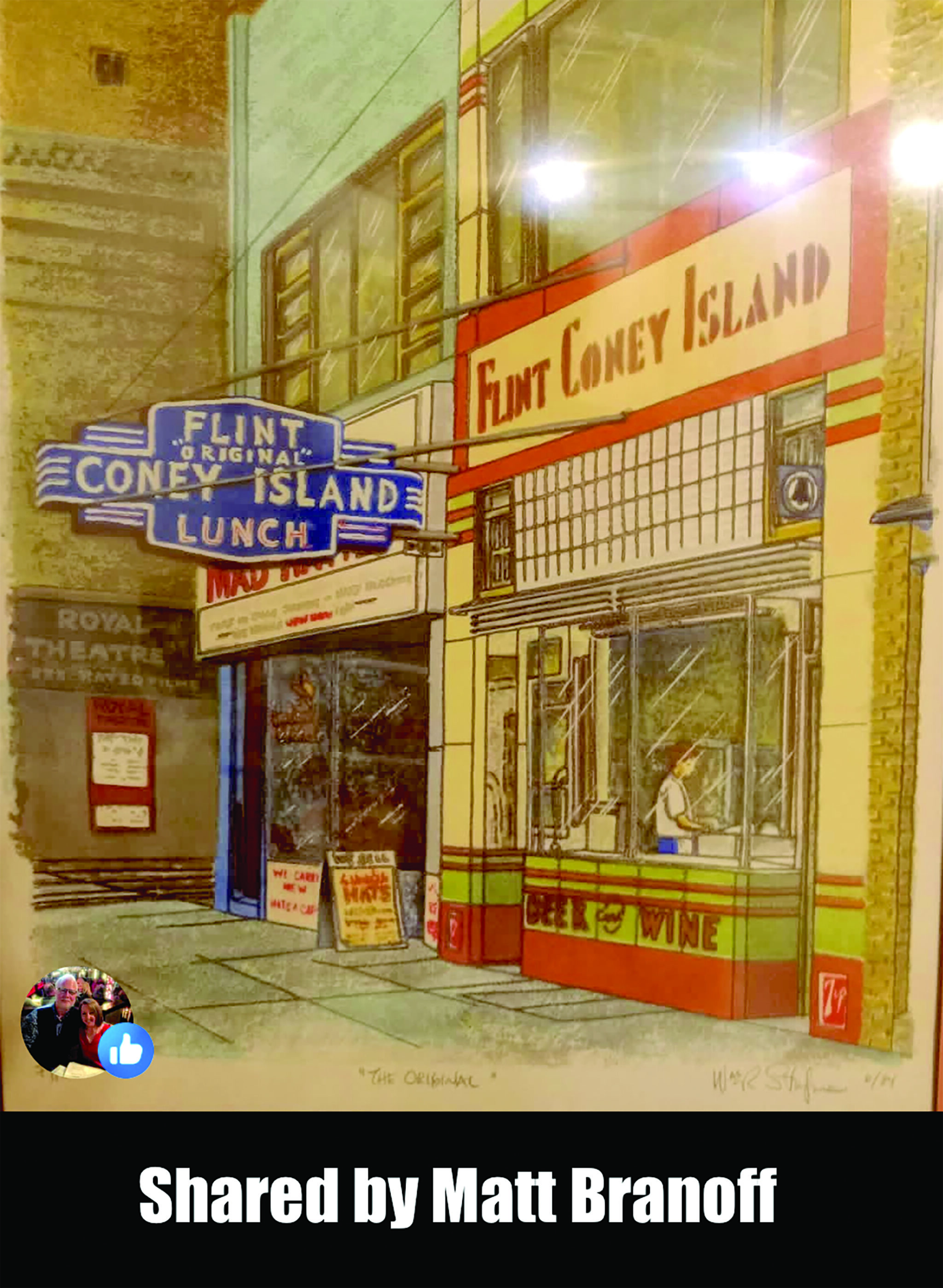
All restaurants face razor-thin operating margins and fierce competition. Many have profit margins of only 10%, so every increase in food costs, staffing expenses or slow weeks can erase profits entirely. There’s no room for error. A bad health inspection, poor online reviews, staff troubles or rising food expenses can sink anyone’s dream.

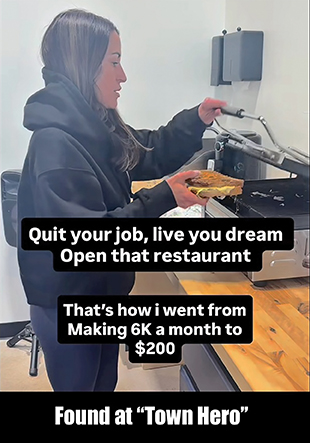
Successful owners work on-site 60 to 80 hours a week, and they’re busiest when everyone else is having fun — especially during lunch and dinner rushes. Staffing nightmares are legendary, too. Studies show it’s hard to build a reliable team when employee turnover can reach 70% annually.
Sally and I moved to Genesee County in 1998 to open our Mancino’s of Fenton restaurant, which we operated for 17 years. We’re happy and proud to say it’s still going strong 28 years later under its third ownership team. We had left the newspaper business to “open our own place,” and it remains one of the fortunate minority of restaurants that is still busy and profitable.
You must become a master at fixing everything — or pay others when the ice machine, air conditioner or cash register breaks down … and they often do. Your kitchen, dining room and bathrooms must be spotlessly clean at all times. I still judge how clean a restaurant kitchen is by the condition of the bathrooms, and so do health inspectors.
Food has to be high-quality, consistently tasty, and served in a friendly and timely manner. You must order enough supplies to handle Friday night rushes, but not so much that food is wasted and thrown away after a slow Tuesday.










Prices have to be set properly. Charge too much and people complain excessively, but charging too little is even worse because it can lead to closure. Every order must be made correctly. It’s tough to do it all.
Most people who leave the food business are personally burned out. Often, they’ve put so much of themselves into their company that their personal lives vanish — or worse. Many restaurant failures lead to family strife, including divorce.
The restaurant business isn’t just difficult in Flint and Genesee County. Who can forget Bill Knapp’s, Burger Chef, Chi-Chi’s or Bennigan’s? I’m sad that so many Big Boy restaurants have been closing recently.
It’s a brutal business, so please appreciate and support your favorite restaurants that are still operating. There’s an incredible amount of work being done behind the scenes to make that happen.

Mark W. Rummel is a lifelong news guy who has worked in communications since 1972. Along the way, the Fenton, Michigan, resident and his wife Sally even worked for the Walt Disney Company. They opened and operated the Mancino’s of Fenton restaurant in 1998 and now enjoy traveling and spoiling their grandkids. Mark always appreciates your comments at MarkWRummel@gmail.com