










By Dr. Shan Jackson | Healthy Just Feels Right
If you’ve ever felt tired even after a full night’s sleep…
If your energy dips for “no clear reason”…
If your body feels like it’s constantly changing the rules on you…
You’re not imagining it—and you’re definitely not alone.
As women, our bodies move through powerful transitions across our lives. Puberty, monthly cycles, pregnancy, postpartum, perimenopause, menopause—each stage comes with its own rhythm, demands, and nutritional needs. Yet many of us are still trying to fuel ourselves with one-size-fits-all advice that was never designed for us in the first place.
The truth is simple but often overlooked: what you eat has a direct impact on how you feel, think, move, and age. When nutrition supports your body rather than works against it, everything feels more manageable. Energy improves. Moods stabilize. Cravings calm down. And yes… healthy really does start to feel right.
Let’s talk about how.
Why Women’s Nutritional Needs Are Different
Men and women may eat from the same grocery stores, but our bodies don’t play by the same rules. Hormonal shifts tied to menstruation, fertility, pregnancy, and menopause change how we absorb and use nutrients. Women typically need fewer calories than men, but higher amounts of specific vitamins and minerals, including iron, calcium, magnesium, vitamin D, and folate.
Unfortunately, much of nutritional research has historically focused on male bodies, meaning women are often left trying to follow advice that doesn’t fully apply to them. The result? Fatigue, nutrient deficiencies, bone loss, mood changes, and frustration.
The goal isn’t perfection. It’s awareness—and nourishment that evolves with you.
Why Supplements Can’t Replace Real Food
Supplements can be helpful, but they’re exactly what the name implies—supplemental. They can’t undo a diet built mostly on ultra-processed foods, excess sugar, or restrictive eating patterns. Whole foods provide fiber, antioxidants, and natural compounds that supplements simply can’t replicate.
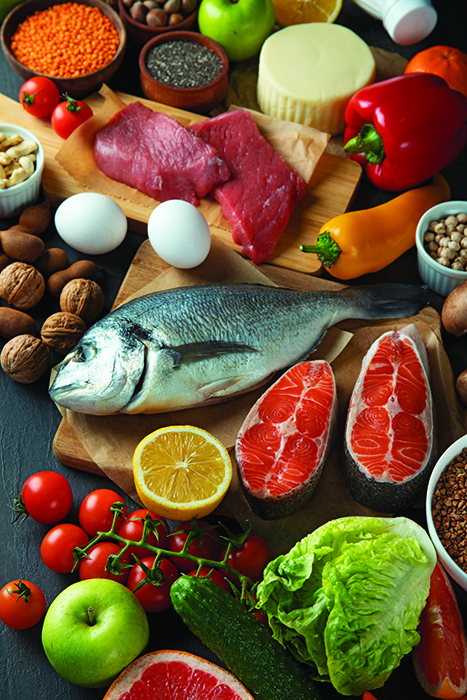
Think of supplements as a safety net, not the foundation. A nourishing plate filled with colorful vegetables, quality protein, healthy fats, and whole grains will always do more for your body than a handful of pills ever could.
Strong Bones Start Earlier Than You Think
Bone health isn’t just something to worry about later in life—it’s being shaped right now. Calcium, magnesium, and vitamin D work together to keep bones strong and resilient. When intake is low, the body quietly pulls calcium from your bones to keep essential systems running. Over time, this can increase the risk of osteoporosis.
Bone-supporting habits include:
➤Calcium-rich foods like leafy greens, sardines, tofu, tahini, and dairy (if tolerated)
➤ Adequate vitamin D from sunlight and food
➤ Magnesium from nuts, seeds, beans, and vegetables
➤ Weight-bearing movement like walking, yoga, dancing, or strength training
Food builds the foundation. Movement keeps it strong.
Iron: The Energy Mineral Many Women Lack
If you feel constantly tired, short of breath, or mentally foggy, iron may be part of the story.
Because of menstruation, women need significantly more iron than men—and many don’t get enough. Iron helps carry oxygen through the blood; without it, energy levels drop fast. Plant sources like beans, lentils, and leafy greens are excellent, but pairing them with vitamin C (think citrus, peppers, or berries) helps your body absorb iron more effectively.
Sometimes, small food changes can make a noticeable difference in how you feel day to day.
Folate: A Quiet Powerhouse for Women
Folate (vitamin B9) is essential not only for pregnancy, but for heart health, hormone balance, mood, and brain function at every stage of life. It’s especially important during the childbearing years—often before a woman even knows she’s pregnant.
Leafy greens, beans, citrus, and whole foods rich in natural folate support long-term wellness and reproductive health. Even if pregnancy isn’t on your radar, folate still plays a role in energy, focus, and emotional well-being.
Using Food to Ease PMS, Pregnancy, and Menopause
Your body speaks—sometimes through symptoms. Food can either amplify those signals or help soften them.
➤ For PMS: Calcium, magnesium, omega-3 fats, and iron-rich foods may reduce cramping, bloating, and mood swings.
➤ During pregnancy and breastfeeding: Protein, omega-3s, iron, calcium, and gentle, consistent nourishment support both mother and baby, without needing extreme calorie increases.
➤ During menopause: Balancing protein and carbohydrates, increasing calcium and vitamin D, and including healthy fats like flaxseed and omega-3s can ease hot flashes, protect bones, and support skin and heart health.
Each phase brings change—but it doesn’t have to bring suffering.
The Bigger Picture: Eating to Feel Like Yourself Again
Healthy eating isn’t about restriction, punishment, or chasing a perfect body.
It’s about:
➤ Feeling steady instead of depleted
➤ Energized instead of exhausted
➤ Nourished instead of deprived
As women, we often put ourselves last. We skip meals. We ignore hunger. We push through fatigue. But your body isn’t asking for more willpower—it’s simply asking for care. When you fuel yourself with intention, your body responds with clarity, strength, and resilience.
And that’s the heart of women’s wellness through nutrition. Not rules. Not guilt. Not trends—but learning how to listen, nourish, and support yourself through every season of life.
Because when your body is supported… healthy really does feel right.