
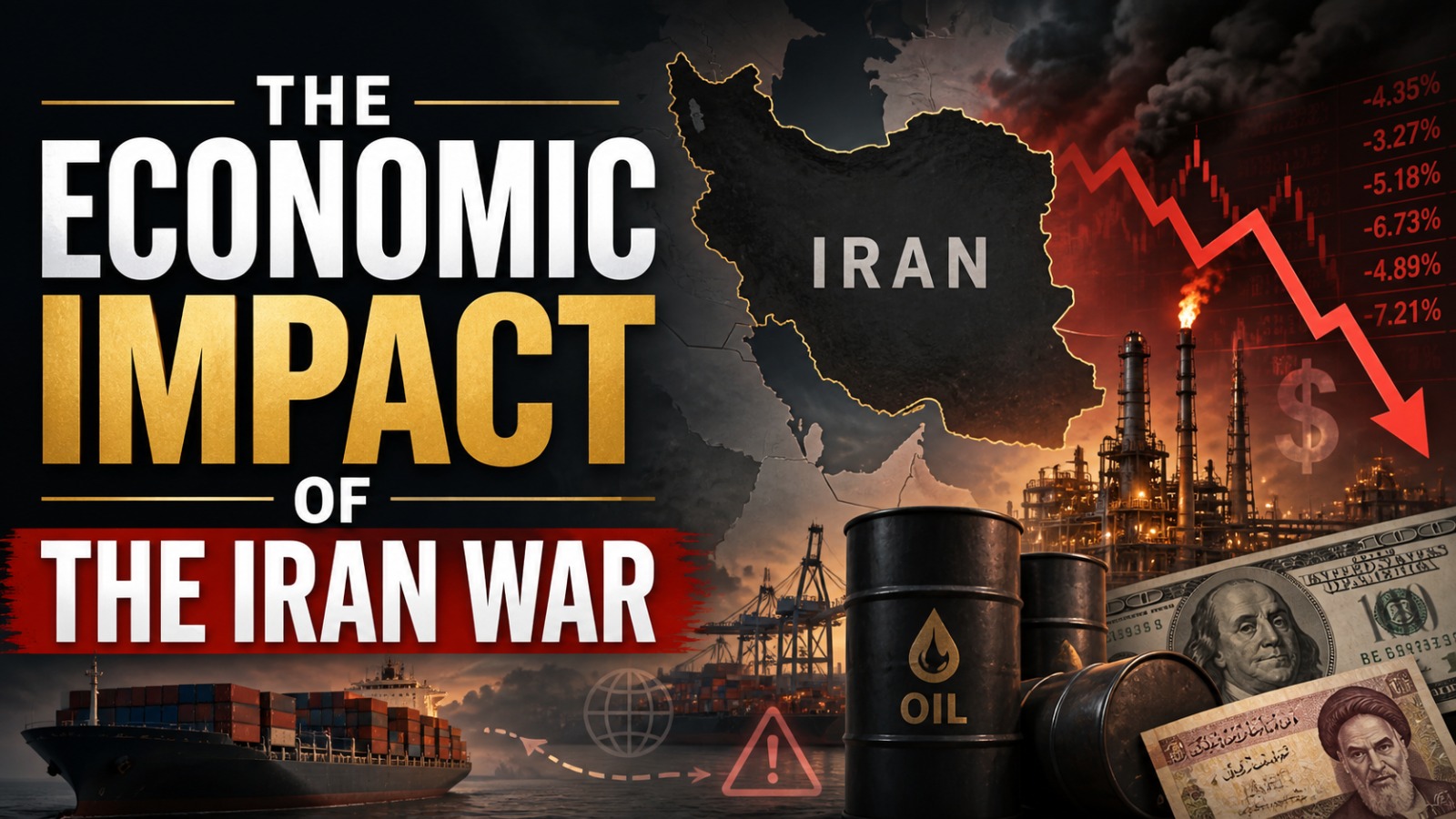
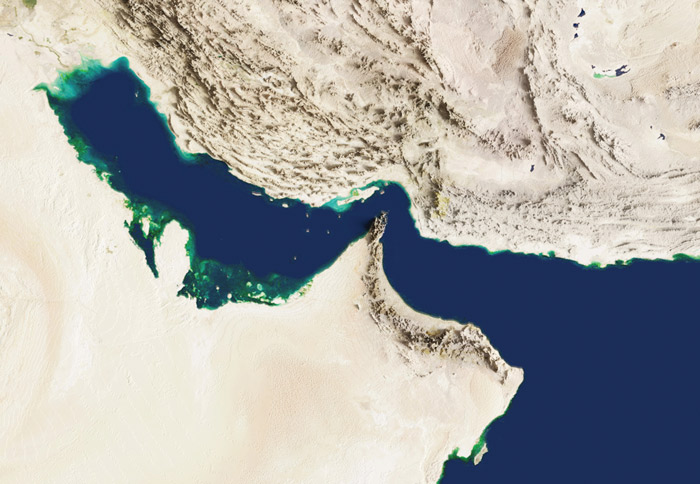
The economic impact of a war with Iran is likely to be significant. The Strait of Hormuz, off the Iranian coast, is one of the world’s most critical supply bottlenecks. Roughly 20 percent of global crude oil consumption, as well as refined petroleum products, passes through it each day. Among these products is nitrogen fertilizer, a key agricultural input whose production has already been disrupted by the war in Ukraine. The United States imports fertilizer that moves through the Strait, meaning disruptions could drive food prices higher domestically.
Any closure or disruption of the Strait threatens consumers with rising food and energy prices, compounding post-pandemic inflation. Higher fertilizer costs during the spring planting season would likely translate into higher food prices in the fall, while increased oil prices would raise the cost of travel and transported goods. Summer vacations would become more expensive, and the price of everyday goods shipped by truck would climb. In short, the most immediate effect would be another surge in inflation.
A higher price of oil will threaten an economic slowdown. Nearly all postwar recessions, aside from the COVID-19 recession, have been preceded by a sharp increase in the price of crude oil. Economic and job growth have been weak even before this war, so the higher energy prices may tip the economy into a recession.
History offers a useful comparison. The stagflation periods of 1973–75 and 1980 were both triggered by oil price shocks, first from the Middle East oil embargo and later from the Iranian Revolution. Each led to severe recessions, with unemployment nearing 10 percent alongside elevated inflation. A return to 1970s-style stagflation would represent a worst-case scenario for the U.S. economy.
If the conflict persists, energy production will likely face additional long-term damage and repairs to already damaged infrastructure delayed.
There are, however, factors that may mitigate the impact. The U.S. economy is much more energy-efficient today than it was in the 1970s. For example, vehicles then averaged around 10 miles per gallon or less, compared to more than 25 miles per gallon today. In addition, the United States is now a net exporter of oil. While higher prices would strain household budgets, they would also boost profits for domestic energy producers. This may offer some buffer against the broader economic fallout, even if it provides little immediate relief for consumers.
Unlike the temporary energy shocks of the 1970s, the current situation could prove more prolonged. The oil embargo ended in March 1974, and the effects of the Iranian Revolution subsided in the early 1980s, followed by a steady decline in oil prices. In contrast, energy infrastructure damaged in a modern conflict may take years, and billions of dollars, to repair.
For example, Qatar has estimated that 17 percent of its liquefied natural gas capacity could remain offline for up to five years due to Iranian attacks. Meanwhile, Goldman Sachs has projected that oil prices could exceed $100 per barrel through 2027. If the conflict persists, long-term damage to energy production, and delays in repairing critical infrastructure, could sustain elevated prices.
If the conflict persists, energy production will likely face additional long-term damage and repairs to already damaged infrastructure delayed. Expect inflation, particularly with food and energy prices, and an economic slowdown.

Dr. Christopher Douglas came to the University of Michigan-Flint in 2006. He earned a B.S. in Electrical Engineering and a B.S. in Economics from Michigan Technological University in 2001, and his Ph.D. in Economics from Michigan State University in 2007. As Professor of Economics, he teaches Principles of Microeconomics, Principles of Macroeconomics, International Economics, Public Finance and Sports Economics.