




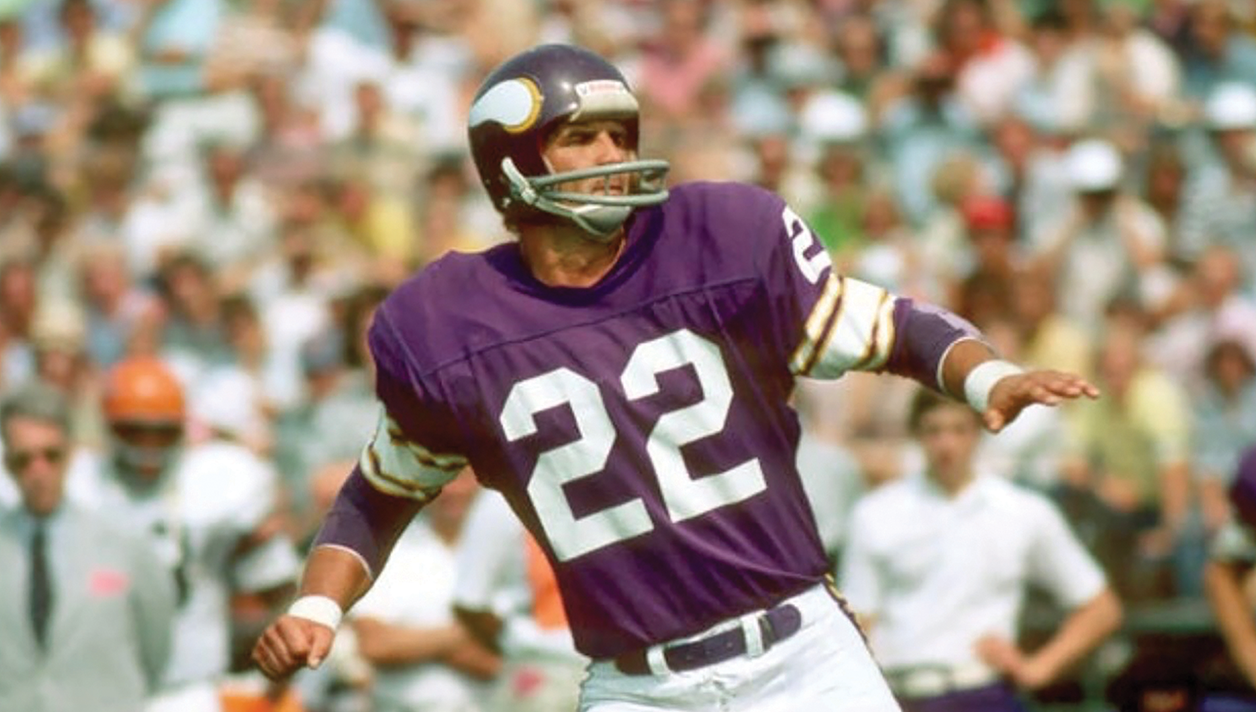
PHOTOS COURTESY OF GENESEE COUNTY HISTORICAL SOCIETY
The Super Bowl is the championship game of the National Football League (NFL) and one of the most-watched sporting events in the world.
Flint area’s rich Super Bowl history was born on the playgrounds and parks of Flint and Genesee County. From Kearsley Park to Forest Park, from Atwood Stadium to Houston Stadium, and all fields in between, kids have been playing football in the Flint area for well over 125 years. And for those kids running with the pigskin, most have envisioned themselves crossing the goal line with the winning touchdown, making the game-winning catch, kick, or tackle. Since 1967, they’ve likely imagined doing it on the biggest stage of all—the Super Bowl.
The year 2026 marks the 60th anniversary of the great American game: the Super Bowl.

Using the Roman numerals the NFL employs to mark this grand spectacle of Americana, this year’s contest is Super Bowl LX. This milestone provides the perfect opportunity to explore how many great Flint-area football players have participated in the biggest game in the land. But first, a bit of background is in order.
The Super Bowl is the championship game of the National Football League (NFL) and one of the most-watched sporting events in the world. Its history is tied directly to the evolution of professional football in America and the merger of two major leagues. Prior to the Super Bowl, the National Football League (NFL) and the American Football League (AFL) operated as separate entities, competing for talent, fans, and television contracts.
In 1966, the NFL and AFL agreed to merge in an effort to consolidate professional football in the United States. As part of that agreement, the leagues planned a championship game between their respective champions, which would eventually become the Super Bowl. The merger officially took effect in 1970, establishing the NFL as the dominant professional football league. The first AFL–NFL World Championship Game—later renamed the Super Bowl—was played on January 15, 1967, at the Los Angeles Memorial Coliseum. The Green Bay Packers (NFL champions) defeated the Kansas City Chiefs (AFL champions) in that inaugural game.









Initially, the Super Bowl was not widely anticipated as a major event, but it marked the beginning of a new era for American football. The term “Super Bowl” was coined by Lamar Hunt, founder of the AFL and owner of the Kansas City Chiefs. He was inspired by the Super Ball, a bouncy toy his children played with. The name stuck, and the game has been known as the Super Bowl ever since.
Over the decades, the Super Bowl has grown into a multibillion-dollar event that transcends sports. It is now considered the biggest annual sporting and entertainment event in the United States, watched by tens of millions of viewers worldwide. The halftime show alone has featured a lineup resembling a Rock and Roll Hall of Fame roster, with performers such as Michael Jackson, Prince, U2, Aerosmith, Kid Rock, Diana Ross, Paul McCartney, The Rolling Stones, Madonna, Beyoncé, Eminem, Snoop Dogg, and The Who, along with some of the most iconic commercials ever aired.
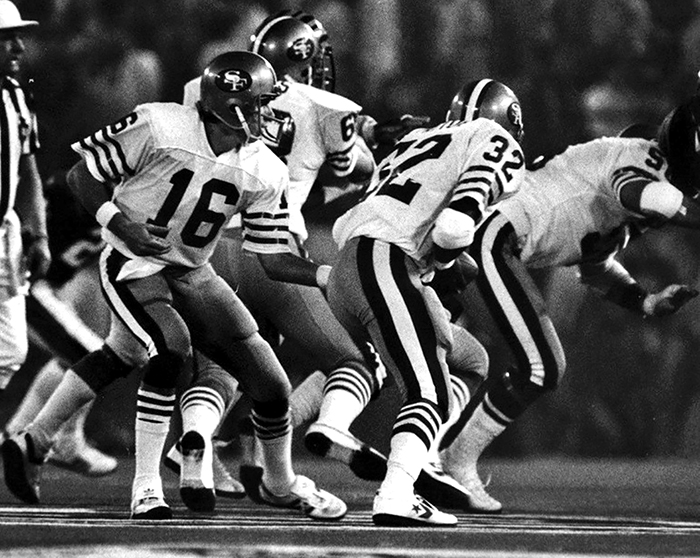
Joe Montana handing off to Rickey Patton
Before the Super Bowl era, several Flint-area football players achieved great success in the NFL and AFL, including winning league championships. Clarence Peaks of Flint Central earned that distinction in 1960 with the NFL champion Philadelphia Eagles.
Many other local football stars competed at a high professional level, including Lynn Chandnois—named NFL Player of the Year in 1952—as well as Herb Orvis, Bob Suci, Hank Minarik, George Hoey, Leroy Bolden, Len Sweet, and Peaks, to name just a few.
Others, such as Robaire Smith, Bob Rowe, Eugene Marve, Brent Williams, and Booker Moore, played during the Super Bowl era but never had the opportunity to appear in the big game.
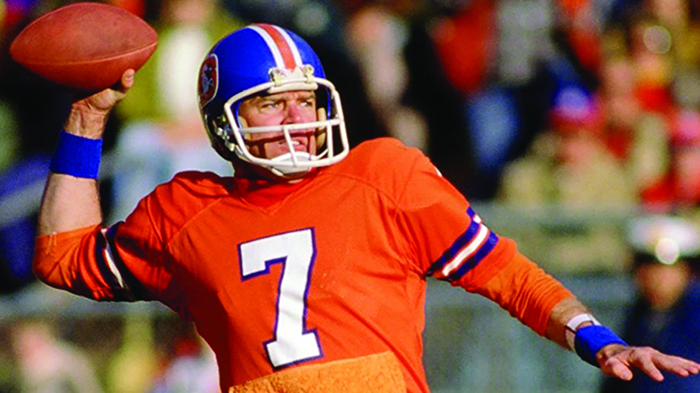
Craig Morton
Morton is notable for being the first starting quarterback to play in Super Bowls for two different franchises. He led the Broncos to their first-ever Super Bowl appearance in 1977, only to fall to his former team, the Cowboys.
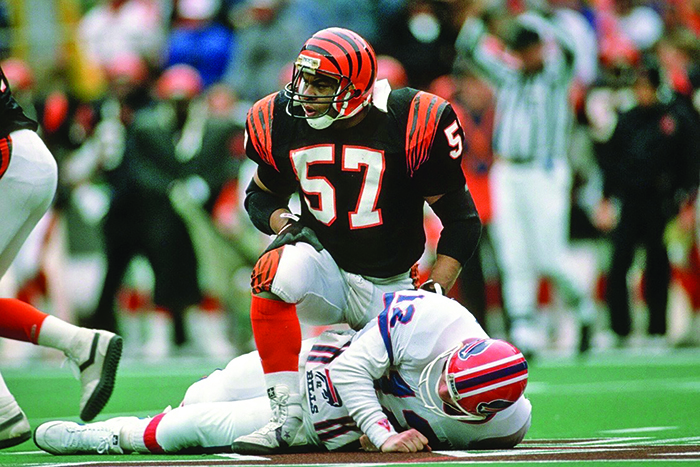
Reggie Williams
As the Super Bowl grew into an American institution, Flint-area players began making their mark on the sport’s grandest stage.
Chief among them is the man widely regarded as the greatest Flint-area athlete of all time: Bendle’s Paul Krause. Krause appeared in an incredible four Super Bowls—the most by any Flint-area player—though his Minnesota Vikings went 0–4 in those contests. He played in Super Bowls IV, VIII, IX, and XI. Krause recorded a fumble recovery in Super Bowl IX and an interception in Super Bowl IV. Remarkably, he remains the NFL’s all-time leader in career interceptions and is the only Flint-area football player enshrined in the Pro Football Hall of Fame.
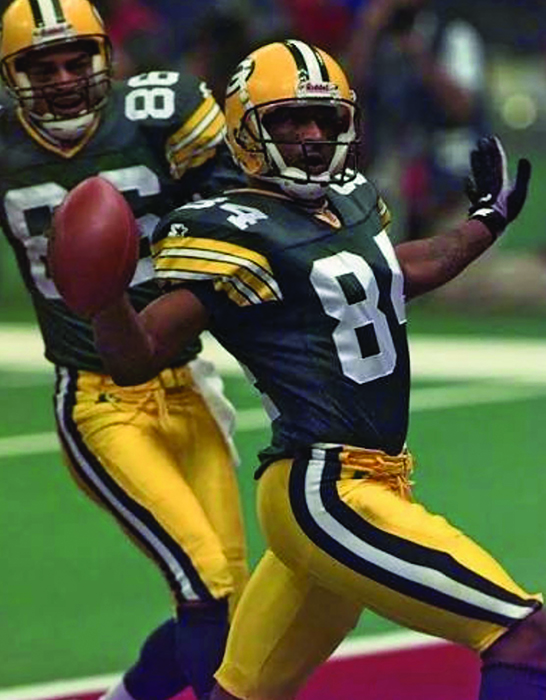
Andre Rison
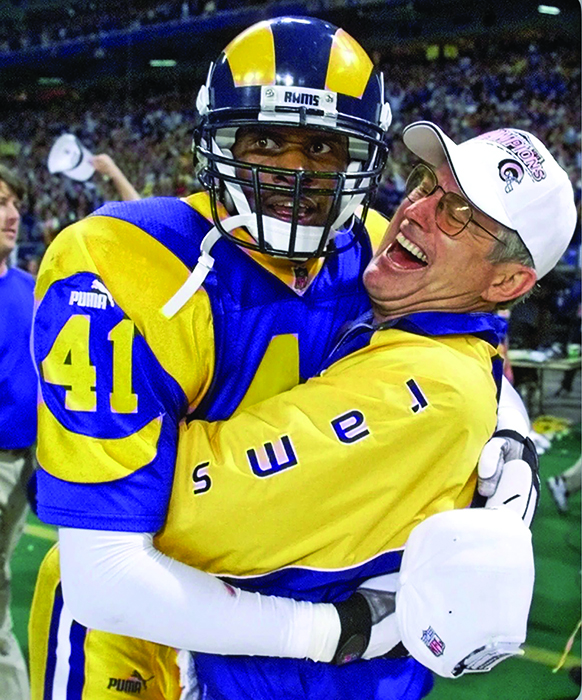
Todd Lyght
Todd Lyght of Flint Powers starred in Super Bowl XXIV, blocking a field goal attempt as his Los Angeles Rams defeated the Tennessee Titans in one of the most hotly contested Super Bowls of all time.
Craig Morton is a unique Super Bowl participant with Flint roots. Some argue he doesn’t fully qualify as a Flint-area player because his family moved away when he was young, and he did not play high school football locally. This may explain why many are unaware that this two-time Super Bowl–starting quarterback was born in Flint. His birth certificate confirms his Flint heritage. Morton started in Super Bowl V for the Dallas Cowboys and Super Bowl XII for the Denver Broncos, losing both games.
Morton is notable for being the first starting quarterback to play in Super Bowls for two different franchises. He led the Broncos to their first-ever Super Bowl appearance in 1977, only to fall to his former team, the Cowboys.
Super Bowl XVI, played in 1981 at the Pontiac Silverdome, marked the first time two players from the same high school faced each other in the game. Linebacker Reggie Williams of the Cincinnati Bengals and running back Rickey Patton of the Joe Montana–led San Francisco 49ers both hailed from Flint Southwestern. Patton’s 49ers prevailed, and he finished as the team’s leading rusher. Renowned painter Leroy Neiman later captured the moment, depicting Patton lined up behind Montana while Williams stared him down across the line of scrimmage. Williams still has the painting in his home today.
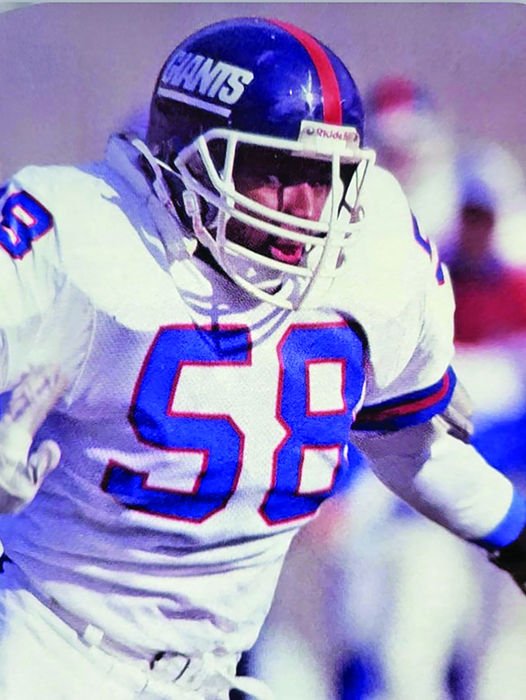
Carl Banks
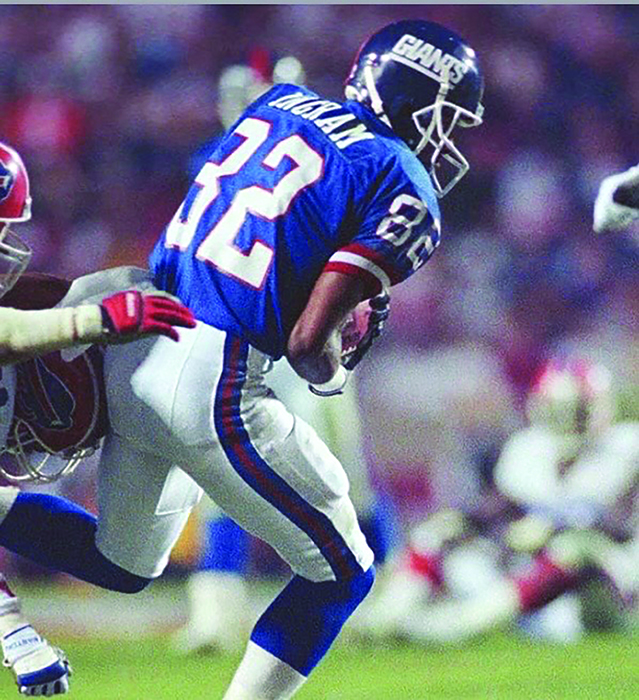
Mark Ingram Sr.
Flint Northwestern graduate Andre Rison showcased his talent in Super Bowl XXXI with a 54-yard touchdown reception from Brett Favre on the second play of the game, helping lead the Green Bay Packers to victory over the New England Patriots on January 27, 1997.
Todd Lyght of Flint Powers starred in Super Bowl XXIV, blocking a field goal attempt as his Los Angeles Rams defeated the Tennessee Titans in one of the most hotly contested Super Bowls of all time.
Flint Northwestern’s Mark Ingram Sr. teamed up with Beecher’s Carl Banks to help lead the New York Giants to victory in Super Bowl XXV in 1991. Banks was part of a legendary linebacker corps that included Harry Carson and Lawrence Taylor. Ingram starred as a receiver, catching passes for 77 yards from quarterback Phil Simms. Banks had previously won a Super Bowl with the Giants in 1987.
Lonnie Young
Brian Carpenter
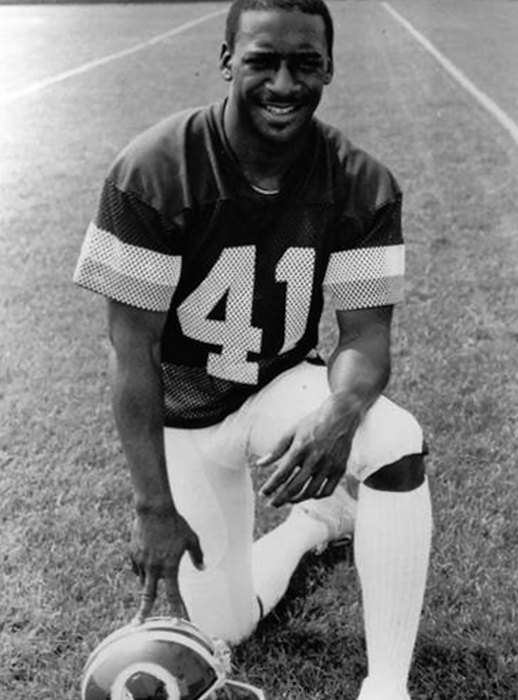
Flint Southwestern defensive back Brian Carpenter starred in Super Bowl XVII, a 27–17 victory over the Miami Dolphins.
Jim Morrisey
Jon Runyan
Andre Weathers
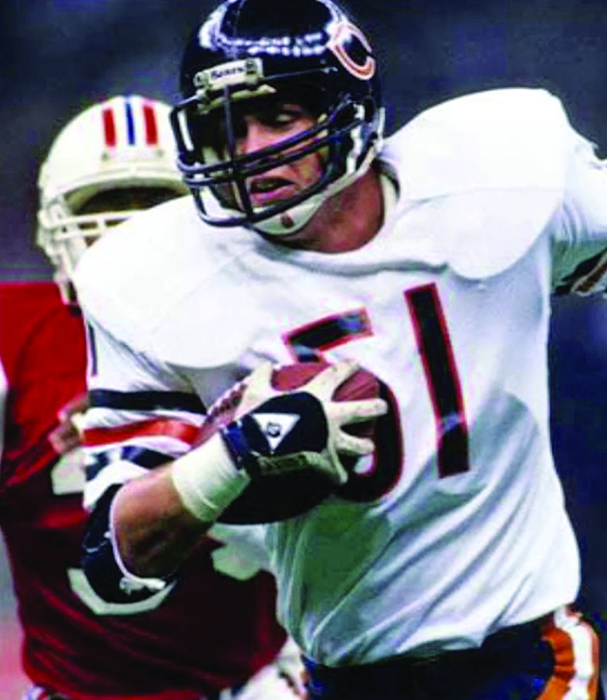
Flint Powers standout Jim Morrissey was a key contributor to one of the greatest defenses in Super Bowl history—the 1985 Chicago Bears. That colorful team featured personalities like William “The Fridge” Perry, quarterback Jim McMahon, and superstar Walter Payton. The Bears, known as the “Shufflin’ Crew,” famously recorded a rap video that year, which also featured Morrissey. Chicago dominated the New England Patriots 46–10, finishing the season 15–1.
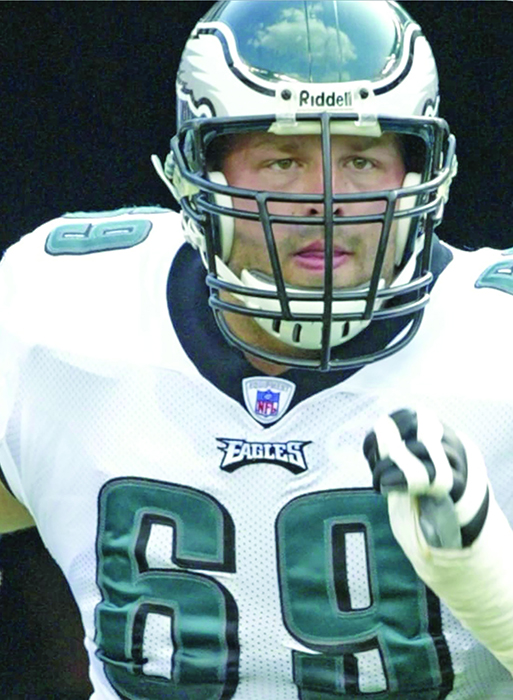
Jon Runyan Sr. of Carman-Ainsworth played in two Super Bowls—Super Bowl XXXIV with the Tennessee Titans and Super Bowl XXXIX with the Philadelphia Eagles—losing both. Notably, his son, Jon Runyan Jr., also played in a Super Bowl with the Green Bay Packers and suffered a loss as well.
Heisman Trophy winner Mark Ingram Jr., a running back from Grand Blanc and Flint Southwestern, earned a Super Bowl ring as a member of the New Orleans Saints’ roster during their Super Bowl XLIV victory. However, he was on the practice squad and did not play in the game.
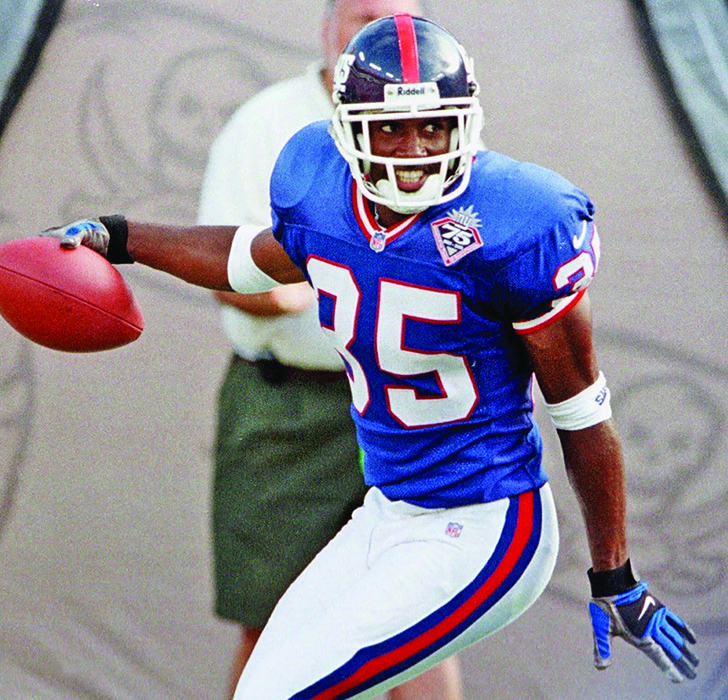
Flint Central’s Andre Weathers played defensive back for the New York Giants in Super Bowl XXXV, a loss to the Baltimore Ravens.
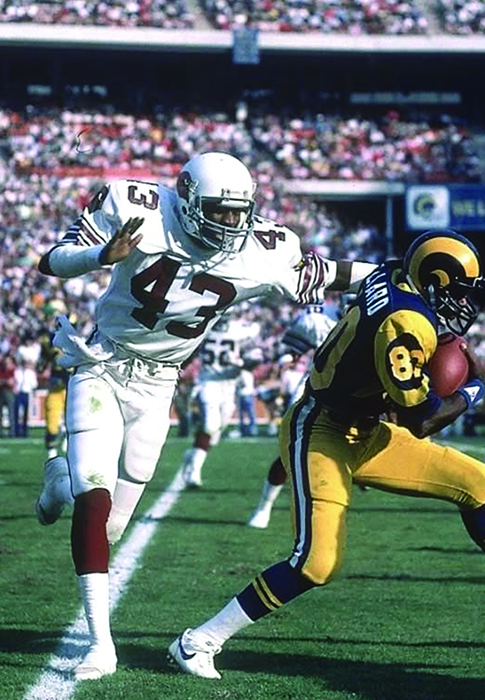
Beecher’s Lonnie Young enjoyed a long NFL career as a defensive back and played in Super Bowl XXIX on January 29, 1995, with the San Diego Chargers, who fell to the San Francisco 49ers.
Flint Southwestern defensive back Brian Carpenter starred in Super Bowl XVII, a 27–17 victory over the Miami Dolphins.
Carolina Panthers defensive end Kemp Rasmussen, a Lapeer West graduate, appeared in Super Bowl XXXVIII in a loss to the New England Patriots.
Flint Northern running back Thomas Rawls was enjoying a breakout season with the Seattle Seahawks in 2015 before suffering a broken ankle in December, costing him the chance to play in the Super Bowl that season—a game he helped the team reach.
The rich pool of talent from the Flint area has been an outsized contributor to athletics at every level. It’s fair to argue that few regions of similar size can match the area’s remarkable history and enviable athletic legacy. While the Super Bowl is not the only measure of that distinction, it is certainly the most SUPER.