











Have you ever had a terrible night’s sleep and spent the next day craving sugar, coffee, or anything that would give you a quick boost of energy? Or maybe you’ve eaten a heavy meal late at night and wondered why you couldn’t settle down and get comfortable enough to sleep.
Sleep and nutrition are more connected than many of us realize.
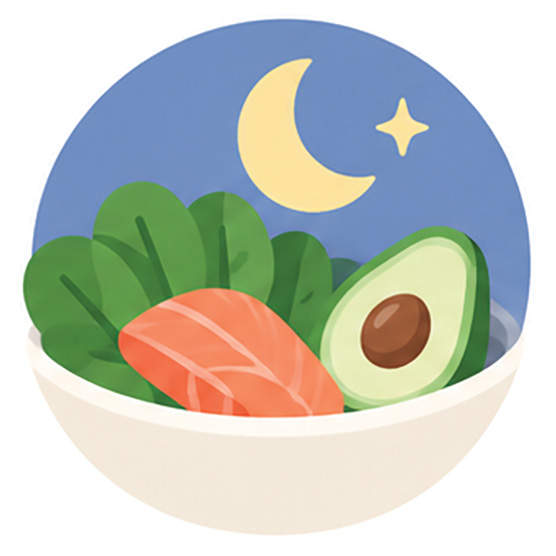
What You Eat Can Affect How You Sleep
There isn’t one food that will magically give you eight hours of perfect sleep. But your overall eating habits can make a difference. A balanced diet that includes fruits and vegetables, whole grains, protein, healthy fats, and fiber gives your body many of the nutrients it needs to function properly.
Certain nutrients are involved in processes related to sleep. Foods containing magnesium include leafy greens, beans, nuts, seeds, and whole grains. Eggs, dairy products, poultry, fish, nuts, and seeds provide nutrients and amino acids the body uses in pathways involved in sleep and relaxation.
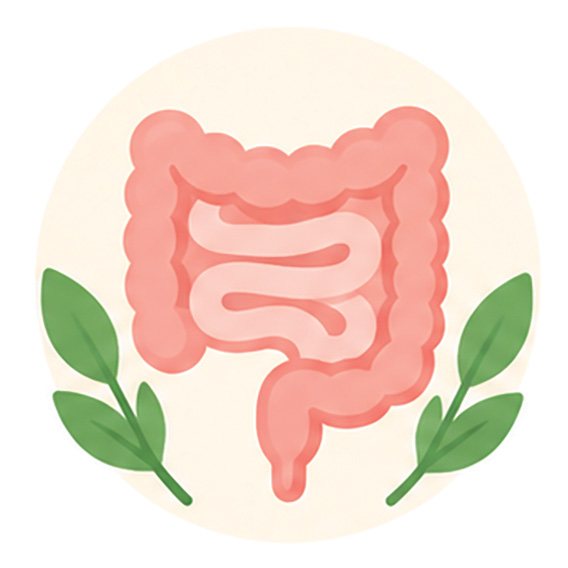
Don’t Forget About Your Gut
We hear a lot about “gut health” these days, and sometimes the claims can get a little carried away. But we do know that the gut and brain communicate with each other. Researchers often refer to this relationship as the gut-brain axis.
What we regularly eat can influence the trillions of microorganisms living in our gut. A varied diet containing fiber-rich plant foods can help support a healthy gut microbiome. Think beans, lentils, vegetables, fruits, oats, whole grains, nuts, and seeds. Fermented foods such as yogurt and kefir can also be part of a gut-friendly diet for people who tolerate them well.
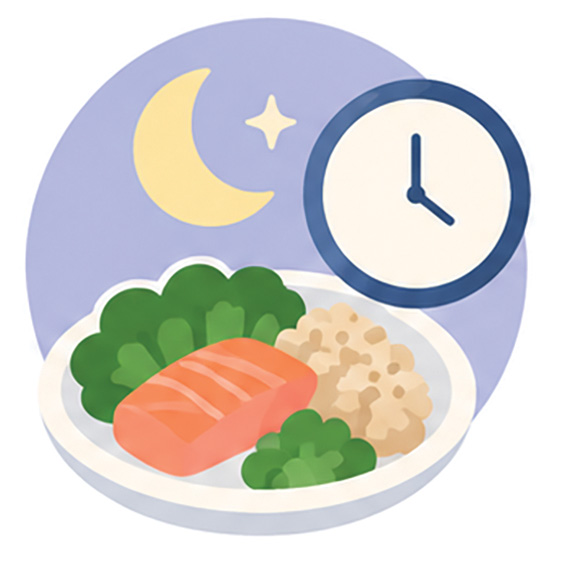
Watch What You Eat Close to Bedtime
Sometimes it’s not just what you’re eating. It’s when you’re eating it. A large or heavy meal right before lying down can leave some people uncomfortable and may worsen heartburn or reflux. If certain foods bother your stomach, especially at night, pay attention to that pattern.
Give your body some time to digest before bed when possible, and notice how different evening meals affect you.
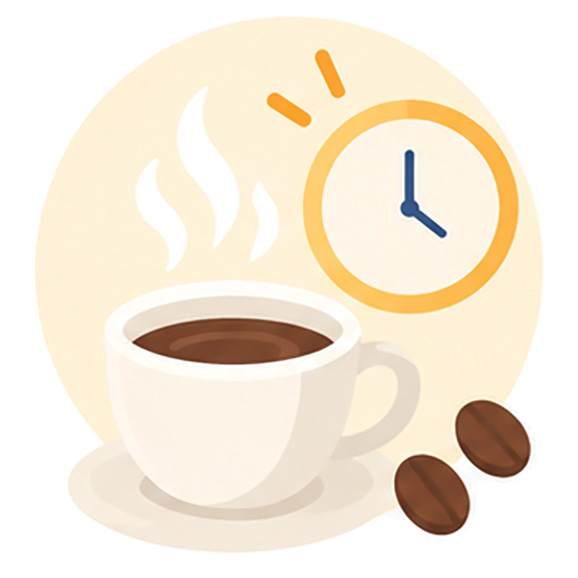
That Afternoon Coffee May Still Be Hanging Around
Caffeine can stay in the body for hours, and some people are much more sensitive to it than others. Coffee isn’t the only source. Tea, energy drinks, chocolate, and certain supplements or medications may contain caffeine or other stimulants.
What About Sleep Supplements?
Melatonin, magnesium, herbal products and gummies, there is no shortage of products promising better sleep. But supplements shouldn’t become the first thing we reach for every time we’re tired. They can’t replace good sleep habits.
Melatonin is a hormone our bodies naturally produce that helps regulate our sleep-wake cycle. Supplemental melatonin can be useful in certain situations, but taking more isn’t necessarily better, and it isn’t the answer to every type of sleep problem.
Magnesium is another popular option. Your body needs magnesium for many important functions, but that doesn’t mean everyone who sleeps poorly needs a magnesium supplement.
Remember that “natural” doesn’t automatically mean risk-free. Supplements can cause side effects and may interact with medications. If you’re considering taking something regularly for sleep, talk with your healthcare provider first.
Before You Buy Something, Look at Your Routine
If you’re struggling with sleep, start with the basics. Are you drinking caffeine late in the day? Eating a heavy meal and immediately going to bed? Scrolling on your phone until the moment you close your eyes? Going to sleep and waking up at completely different times every day? Getting enough physical activity?
Sometimes we go searching for a bottle when our daily routine is telling us exactly where we need to start. Persistent insomnia, loud snoring, gasping during sleep, extreme daytime sleepiness, or ongoing difficulty sleeping deserves a conversation with a healthcare professional.
Food, Gut Health and Sleep Are Pieces of the Same Puzzle
Eat foods that nourish you. Include plenty of plants and fiber. Drink enough water. Move your body. Be mindful of caffeine and late-night eating. Give yourself time to wind down and make sleep a priority.
Taking care of both is part of taking care of you.

Dr. Shan Jackson, Owner and CEO of Healthy Just Feels Right is a certified holistic mental health and wellness specialist, book author and motivational speaker. She has a passion for nutrition and loves to cook, develop recipes and write about health and wellness. Dr. Jackson aims to help individuals and families transition to a healthier lifestyle by incorporating more fresh foods into their diets. She believes that food can play an important role in managing chronic health issues, symptoms of depression and other mood disorders without using medications that can have harmful side effects. To discover more creative and fun ways to inspire a healthier lifestyle, visit healthyjustfeelsright.com.