






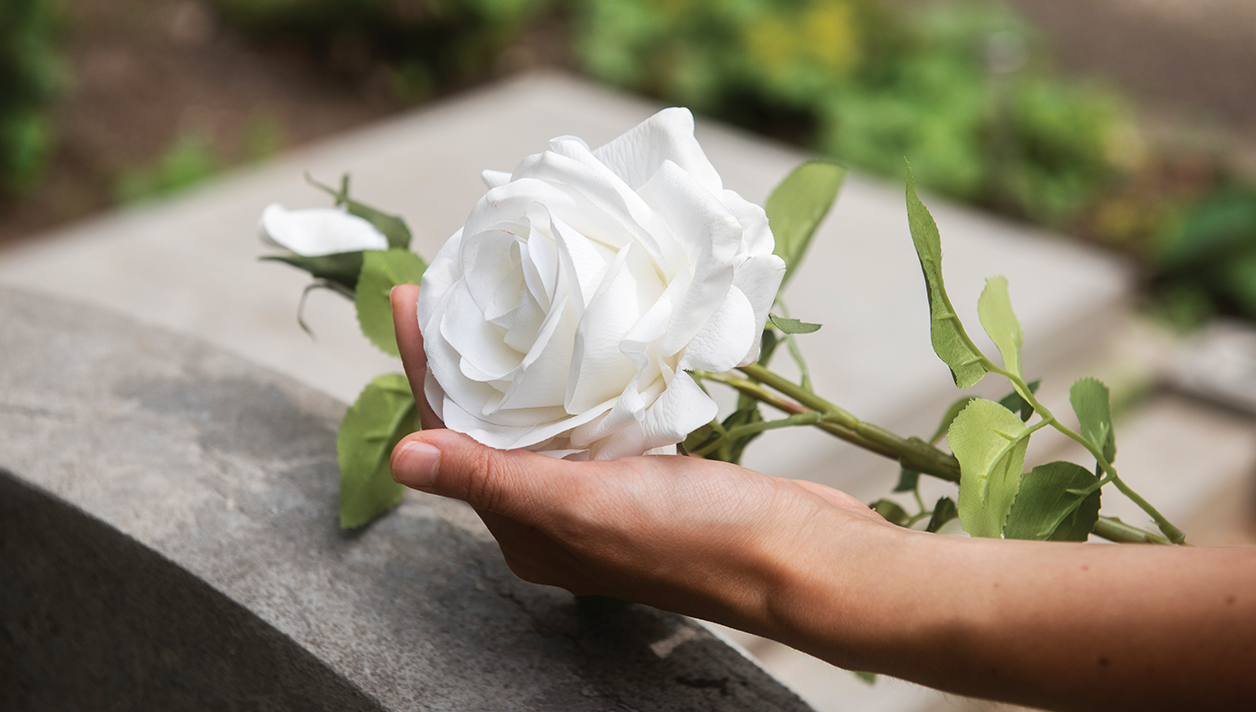
Let’s face it… nobody is getting out alive. We’re all going to die — we just don’t know when.
Someone will write your obituary. These will likely be the final words people will say about you. And they’ll share the information they know, rather than what you might want your final story to be. If you don’t create and share your own “last words,” then who will? I can feel your uncomfortable response already. That’s normal.
Writing your own obituary can be humbling. And yet, who can do it better than the only person who’s been there through it all? Many of us think we don’t know what to say about ourselves, even in summing up our life’s choices and accomplishments. But if you’ve ever read an obituary, you can probably write one.

You might remember certain phrases or ideas you observed in someone else’s final words. Maybe they thanked important people who had helped them. Or, you may realize something you read didn’t sound just right, compared to what you knew of that person.
In 1971, I visited The New York Times newsroom on a college journalism tour. The Times had five persons working full-time writing obituaries for well-known, famous, and even controversial people. Writing the death stories about people who were still alive? Did that make sense? Every obituary of government and business leaders, actors, athletes and others was ready to print — except each didn’t have a date of death. Rather than waiting for people to die, and then having to scramble to assemble those stories at that time, the newspaper was pre-writing these final stories. It made great sense.
When Flint’s own Charles Stewart Mott passed away at age 97 in 1973, The Flint Journal had already prepared a multi-page obituary about this amazing community leader. Only a two-paragraph introduction needed to be added, including the day and cause of death. After all, a 97-year-old resident was quite likely to die soon, wasn’t he?










Even 55 years ago, New York Times tour leaders encouraged us students to write our own obituaries. Later, one of my college journalism classes required us to do so.
Getting the facts right is easy: what the exercise does to our psyche is another thing. Most folks start at the beginning — where and when we were born, and to whom. As achievement points are added, you start to realize these are the building blocks of what makes each of us who we are. Every one of these are “bricks in our wall” of life. Adding life accomplishments of marriage, children and more help tell the story. Including hobbies and other facts helps us see the full vision of what others see of us.
We realize there’s a great deal more to each of us than we might have realized. Sometimes, we just need to see it written down to understand that.
Yes, I’ve written my own obituary. I actually have two versions — one longer version with more details, to be shared on my social media accounts. My other obituary is shorter and more direct, for traditional publication in newspapers and on TV.
After all — in the end, nobody’s getting out alive.