



The story of the Fenton Center of Hope is, at its heart, a story about community.
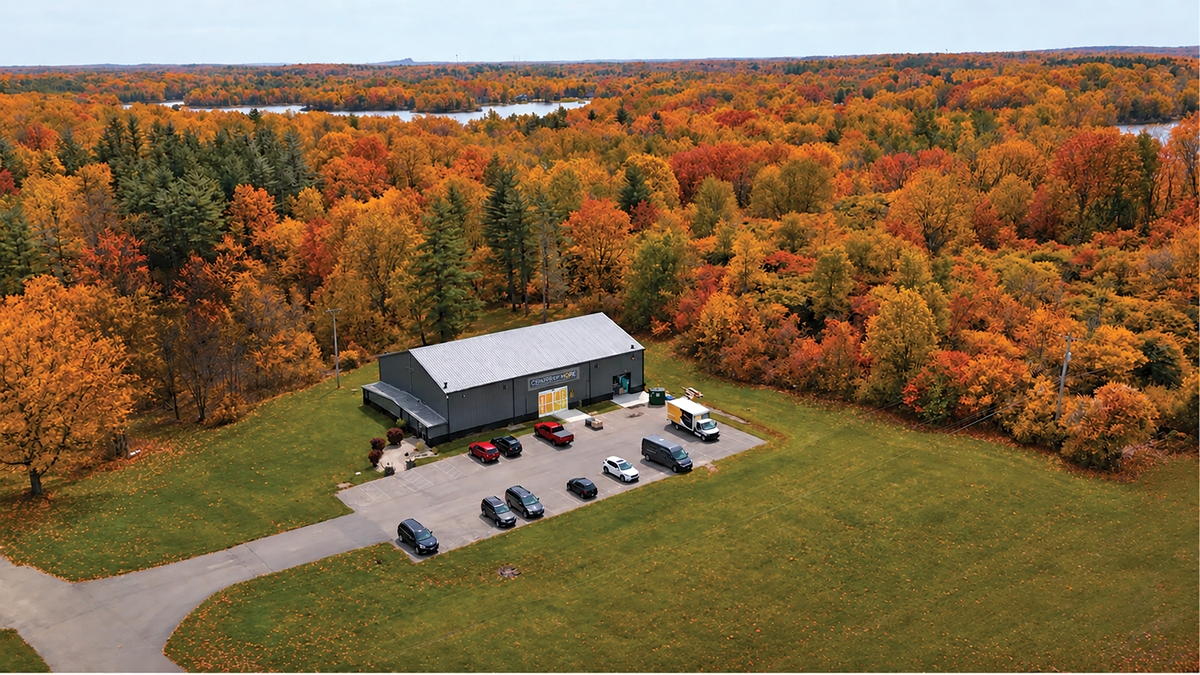
It is a story that began more than a decade ago in a single-car garage at a local church, where shelves lined the walls and two volunteers could help only one shopper at a time. There was no large campus, no box truck, no industrial freezer or cooler, and no 31,000-square-foot facility spread across 11 acres.
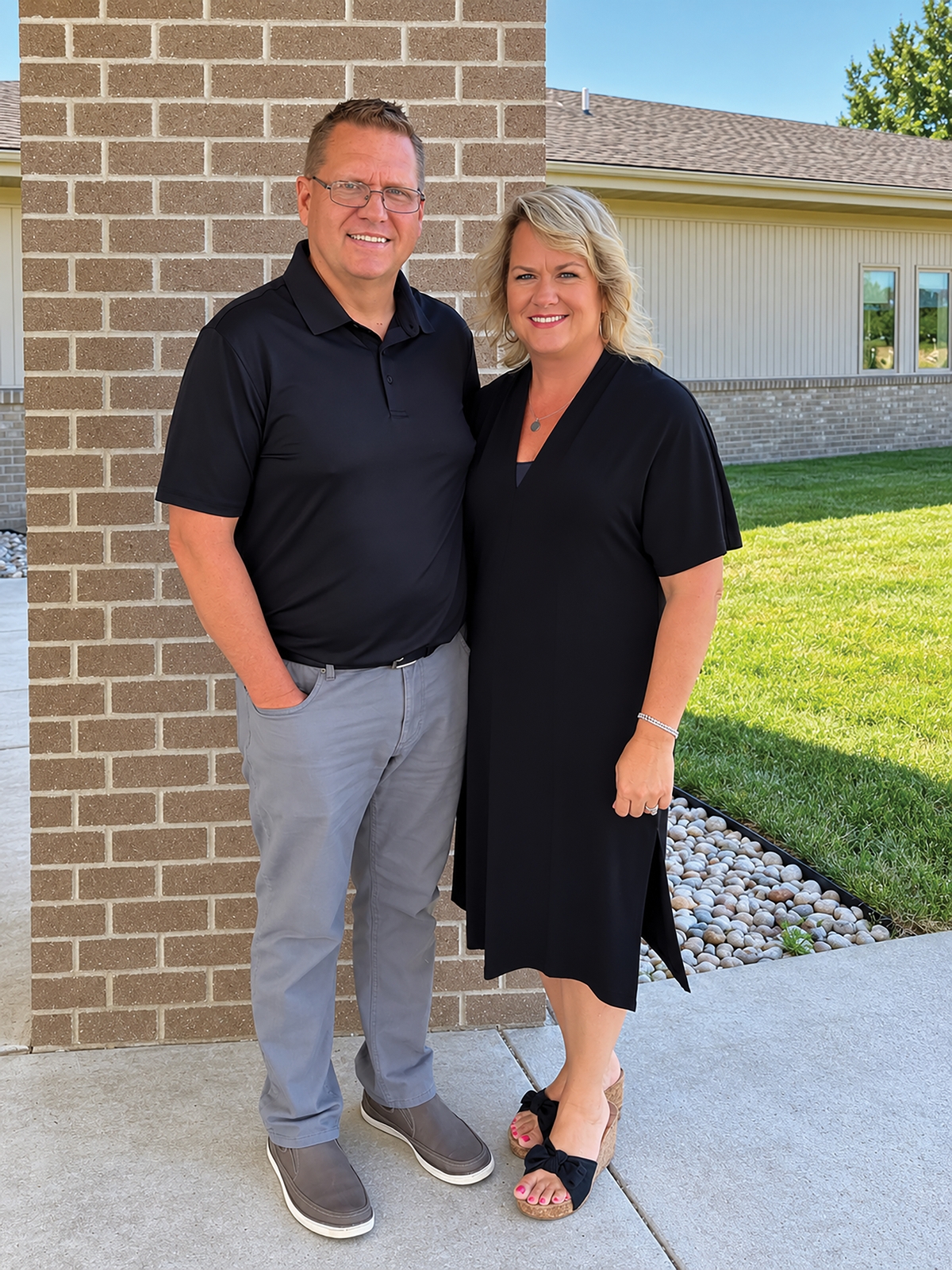
The Center of Hope operates through the efforts of a team of over 100 dedicated volunteers under the direction of Bob and Jennifer Strygulec.

There was simply a desire to help people who were hungry.
Today, the Fenton Center of Hope serves approximately 1,367 people each month, distributes nearly 686,000 pounds of food each year and is supported by more than 120 churches, businesses, civic organizations and community partners. Approximately 145 volunteers contributed nearly 8,900 hours of service in 2025 alone.
But the numbers only tell part of the story.










In 2016, the Center of Hope officially became a 501(c)(3) nonprofit organization. Ten years later, the organization is celebrating a decade of nonprofit service to the community, continuing a vision that began with a simple question: What if helping someone meant more than handing them a box of food?
For co-founder and Community Care Director Jennifer Strygulec and her husband, Bob, that question has shaped everything the Center of Hope has become.
The small pantry that had begun in a garage was suddenly playing a much larger role in helping people throughout the community.
From a garage to a mission
The food pantry and baby closet began approximately in 2007 or 2008 through a church the couple attended. As they served people coming through the pantry, they began to see that food insecurity was often only one part of a much larger story.
People were struggling with financial hardships, family problems and crises that could not be solved with a bag of groceries.
Bob began dreaming about a place that could offer more.
“He wanted to be more than a temporary bandage in a difficult situation,” Jennifer recalls. “He wanted to help create lasting change in the lives of the people we served.”
That dream became reality sooner than the couple expected. Bob left his job and jumped into the work full time.
The original pantry was a single-car garage converted by putting up walls. Shelves lined the sides, with another section running down the middle. Only two volunteers and one shopper could comfortably fit inside at a time.
But some of the most important lessons of the Center of Hope were learned in that tiny space.
Jennifer remembers an elderly couple who came to the pantry one evening because they desperately needed food. The first thing the woman said was that she was not going to church and did not want to be expected to attend one in exchange for receiving food.
They assured her that was not a requirement.
The couple continued coming for food, and over time, a relationship developed. The Center of Hope volunteers learned that the woman had experienced significant hurt from the church in her past. They became friends.
Eventually, she participated in Bible studies and allowed them to pray with her. When she began experiencing serious heart problems and was hospitalized, she called Jennifer and Bob from the emergency room. They would go sit with her.
When she died, her husband asked Bob to conduct her funeral service.
“They initially came to us because they needed food,” Jennifer says, “but what they truly needed was relationship, friendship and community.”
That philosophy became central to the Center of Hope.
Recognizing a bigger need
As the pantry grew, the couple began to understand how many layers of need existed within the families they served.
One moment in particular changed their perspective.
A woman who had been coming to the pantry for several years arrived with her daughter and her pregnant granddaughter, who also needed food.
Jennifer and Bob were looking at four generations of one family.
That was when they realized the opportunity went beyond providing food for today.
“We wanted to help people break generational cycles and create a different future for their families,” Jennifer says.
In 2016, the Center of Hope officially became a nonprofit. The organization continued to grow, with programs and services expanding as the needs of the community became more apparent.
A pole barn was constructed in 2017 to house the food pantry. In 2018, the organization held its first major fundraiser, the Chef Showdown. A box truck was purchased in 2019, allowing the Center to collect more food and begin purchasing food by the pallet. That same year, a parenting program was launched in conjunction with the Baby Closet.
Then came 2020.
The Center of Hope is at 1041 Fenton Rd., Fenton, just south of the YMCA Camp Copneconic. Business hours are 9 AM to 3 PM Monday through Thursday and by appointment only on Friday. The Center of Hope is closed Saturdays and Sundays.
A community responds
During the COVID-19 pandemic, the Center of Hope was selected as the countywide food distribution center in partnership with the sheriff’s Community Care Task Force.
The small pantry that had begun in a garage was suddenly playing a much larger role in helping people throughout the community.
The organization also began teaching life-skills classes and purchased a forklift to manage the increasing volume of food.
In 2021, the Center launched the Bright Course parenting program and coordinated a large back-to-school event in partnership with churches and businesses throughout the community. That year, the organization moved to its current location near Camp Copneconic and Fenton Road.
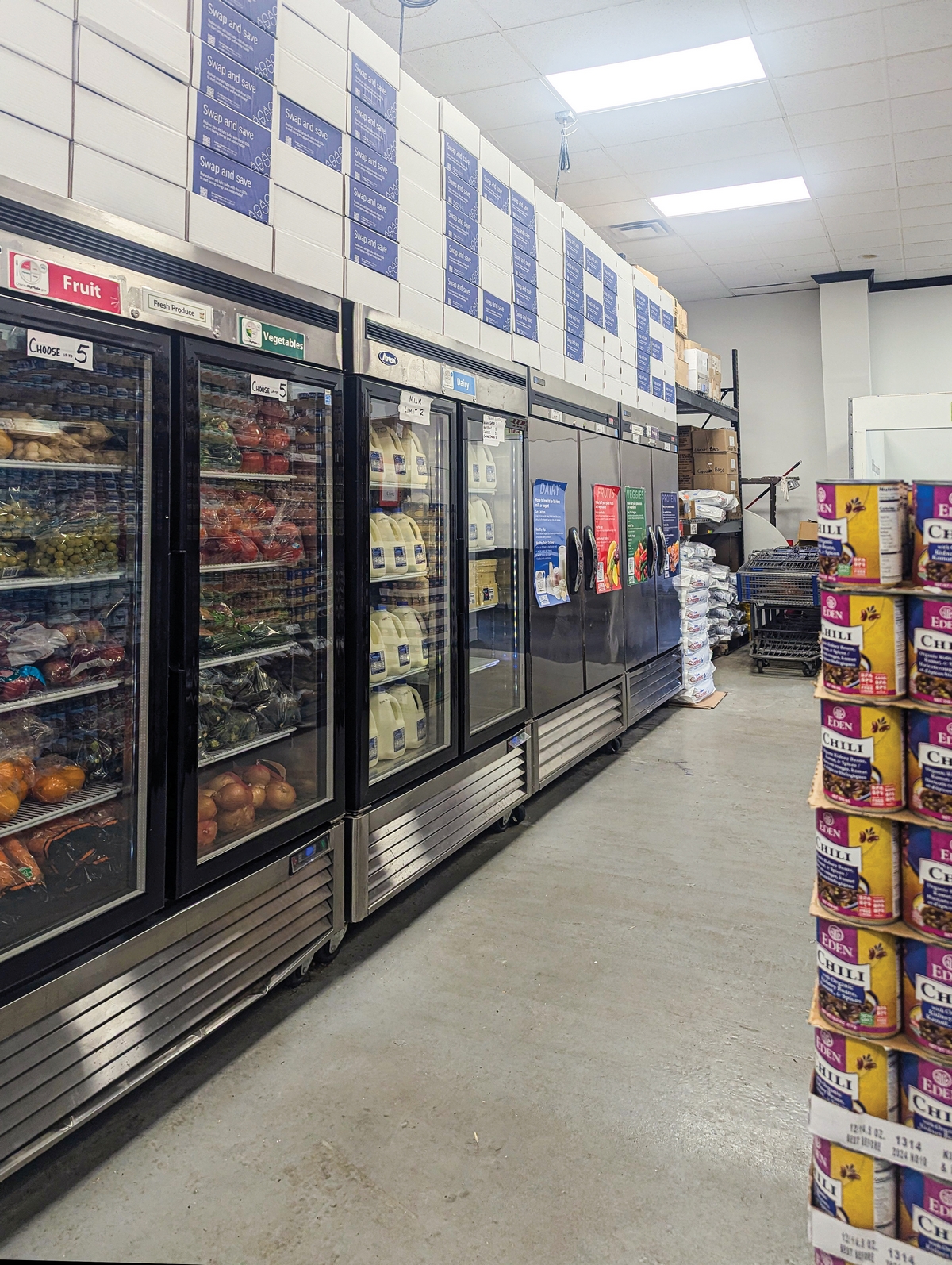
In 2022, an expanded client-choice food pantry opened in the new building, allowing clients to select food according to their household’s needs and preferences.
The Center also hosted a community Fourth of July celebration in partnership with churches from Fenton, Linden and Holly.
Major renovations began in 2023, creating classrooms, offices and community space.
By 2024, more than 100 community partnerships had been established. The Center began hosting GriefShare groups and launched its veterans program, which provides participating veterans with access to food and a monthly community luncheon.
In 2025, the Center added community seminars, including an elder-fraud seminar in partnership with Dort Financial Credit Union. A new parking lot was completed, the organization participated in Jinglefest and a partnership with the YWCA brought trauma-support groups for survivors of sexual abuse and domestic violence to the Center.
Hundreds of children were also blessed through the Center’s annual Christmas program.
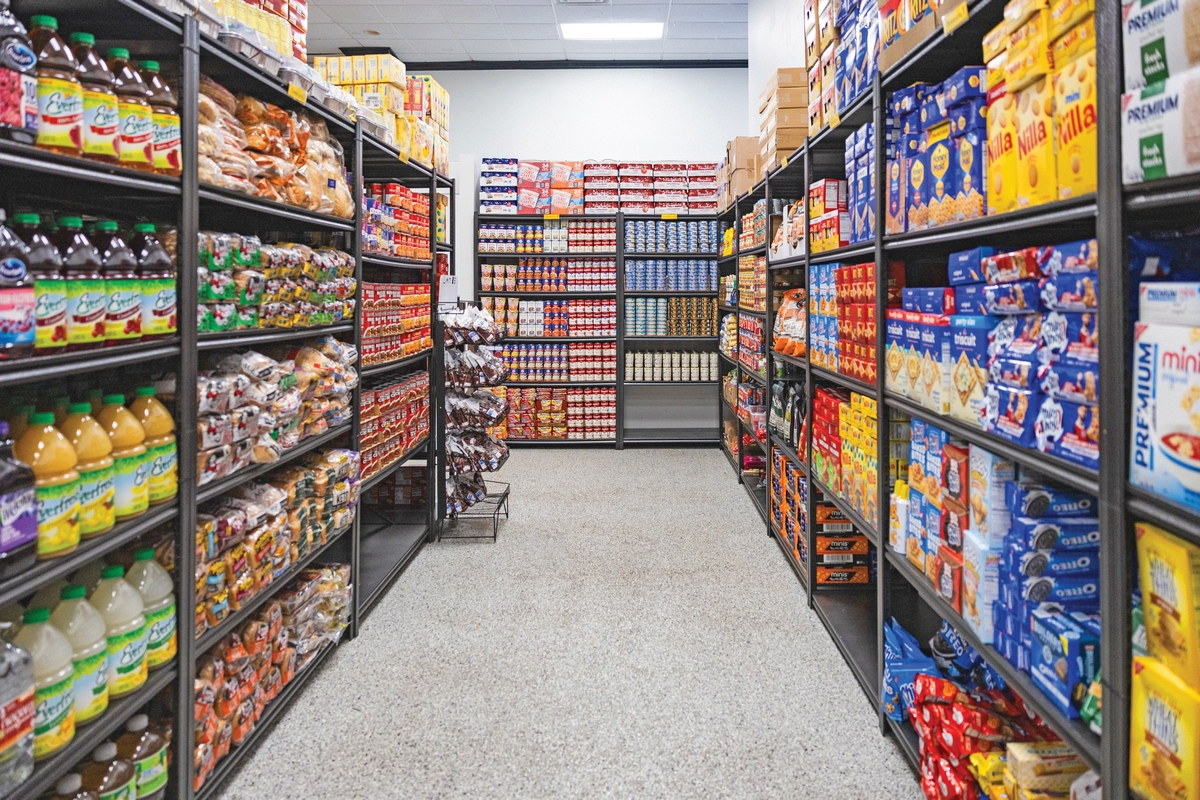
The Free Choice Market at Center of Hope is more than just a food pantry, it’s a place of dignity, choice, and compassionate connection. Unlike traditional pantries, guests at the Free Choice Market shop with a volunteer companion who helps them navigate the shelves and select the items their family actually wants and needs.
More than a food pantry
Today, the Center of Hope offers much more than food.
Its services include a client-choice food pantry, parenting education and a Baby Closet, counseling and mentoring connections, veterans programming, classes and support groups, emergency assistance and connections to community resources.
The organization is also continuing to develop emergency housing and additional services for women and children experiencing homelessness, abuse or crisis.
During its first year, the Center served approximately 260 people each month. Today, that number is approximately 1,367 people every month, not including the hundreds more reached through special programs such as back-to-school, Thanksgiving and Christmas events.
Approximately 686,000 pounds of food are distributed annually.
Behind those numbers are people. The Center now has approximately 145 volunteers. More than 120 churches, businesses, civic organizations and other community partners contribute to its mission.
Among those volunteers is Joe Sauve, who was recently honored with the Center’s first Legacy of Hope Award. Jennifer describes his dedication to serving people in need as evident from the very beginning.
Other volunteers have also remained with the organization since its earliest days. Their faithfulness is part of the story.
When someone asks, “Where can I get help?”
Perhaps nothing illustrates the mission of the Center of Hope more clearly than a woman who walked through its doors recently.
She was someone the staff had never met. She was overwhelmed and felt completely hopeless. She told Jennifer that she did not want to live anymore.
Only days earlier, the woman had been rescued from a human trafficking situation in another state. She had been held against her will for months. After her rescue, strangers purchased a ticket so she could return to the community where she had grown up.
She was physically free, but emotionally overwhelmed by everything she had experienced.
There was no simple solution.
Jennifer began making phone calls.
She reached out to community partners specializing in human trafficking, addiction, trauma and mental health, searching for a safe place where the woman could begin healing.
As Jennifer learned more about her story, she discovered that the trauma had begun long before the trafficking. There had been childhood sexual abuse, an abusive marriage, the loss of a child, addiction and eventually exploitation and captivity.
It was a tremendous amount for one person to carry.
But that is not where the story ends.
Over the weeks that followed, Jennifer began seeing changes.
The woman seemed lighter. She smiled more. There was a sense of hope that had not been present when she first arrived.
Most importantly, she had people surrounding her.
She had found a community.
Jennifer says the ending of the woman’s story has not been written. Healing takes time. But the Center has the privilege of witnessing the beginning of a transformation.
It is an example of why the Center of Hope exists.
Sometimes the need is food.
Sometimes it is a warm coat, diapers or household supplies.
Sometimes it is a connection to another agency, a support group, a parenting class or a veteran’s program.
And sometimes it is simply someone who will sit down, listen and say, “You don’t have to go through this alone.”
In this case, it began with a woman typing a question into Google:
“Where can I get help?”
And then finding a place where she could walk through the door.
Sometimes the need is food.
Sometimes it is a warm coat, diapers or household supplies.
Sometimes it is a connection to another agency, a support group, a parenting class or a veteran’s program.
A place to find hope
Today, the Center of Hope’s property includes approximately 31,000 square feet, three houses and 11 acres.
For Jennifer and Bob, looking across the property can be humbling.
They remember the single-car garage. They remember wondering where the money would come from. They remember working side jobs during the early years. Bob even worked nights as a janitor while continuing to work at the Center during the day.
There were plenty of moments when survival was uncertain.
“Daily,” Jennifer says when asked whether there was ever a time they wondered if the Center would survive.
But they kept moving forward. They trusted the mission, believed the resources would come and continued serving.
Ten years after becoming a nonprofit, the Center of Hope has grown into something far larger than the original dream.
Yet the heart of the organization remains remarkably similar.
Its mission is simple:
“We love and serve our neighbors who are hungry, hurting, in need, or in crisis. By building relationships and trust, we work to educate and equip others to live with purpose.”
The vision for the future is equally straightforward.
Jennifer wants the property to become a place where people can come and find hope, with access to resources, services and relationships that can help them make meaningful changes in their lives.
The goal is not simply to help someone survive a crisis.
It is to walk alongside that person as they work toward stability, healing and a better future.
That is why the Center’s 10-year anniversary is about more than celebrating an organization. It is about celebrating the people who made the organization possible. The volunteers who kept showing up. The churches and businesses that contributed. The community partners who answered phone calls. The donors who gave. The people who stocked shelves, loaded trucks, taught classes, organized events and opened doors.
And, perhaps most importantly, the people who walked through those doors when they needed help.
Ten years ago, the Center of Hope was a small pantry in a single-car garage.
Today, it is a place where thousands of people have found food, resources, relationships and encouragement.
There may not always be an immediate answer to every problem.
But Jennifer wants everyone who enters the Center of Hope to know one thing.
They do not have to face their circumstances alone.
Sometimes that means listening.
Sometimes it means connecting someone with wraparound services.
Sometimes it means providing food.
And sometimes it means helping someone find a safe place to begin again.
Most of all, the Center of Hope wants every person who walks through its doors to feel the love of Christ.
After a decade of growth, one thing has not changed. The Center of Hope is still doing what it began doing in that little garage: meeting people where they are and reminding them that they are not alone.
That is the story of the Fenton Center of Hope.
And after 10 years, it is a story that is still being written.