




By Matthew Osmon, FIA Education Director
At the Flint Institute of Arts, our Education Department and Accessibility team have been working toward several goals: making the museum barrier-free, easier to understand, and more fun to explore, whether you’re five or fifty-five. That means more hands-on learning, deeper engagement beyond reading wall text, and tools that help visitors connect with art in ways that fit how they learn. Sometimes that connection happens through touch, sound, movement, and even smell.
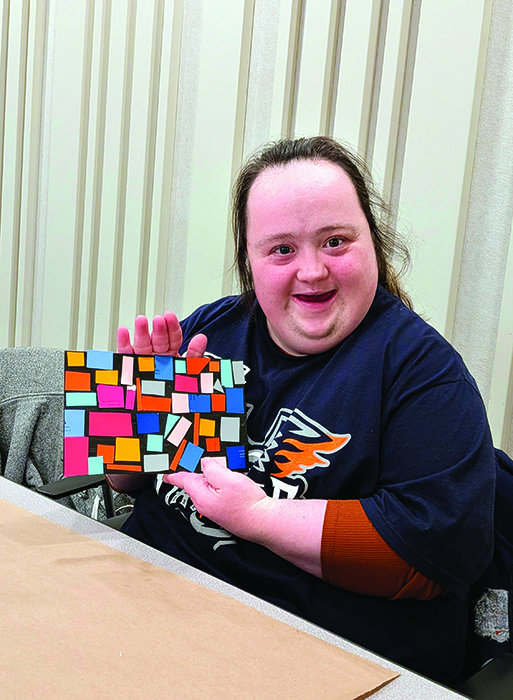
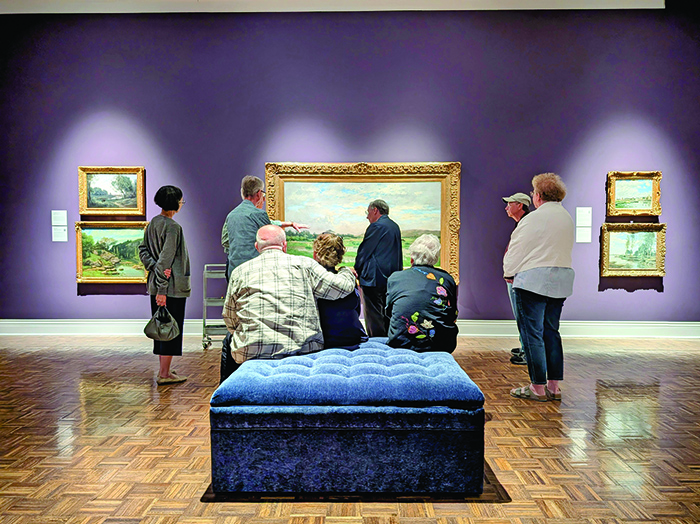
We are proud to continue connecting diverse communities through fun, creative, and inspiring visual art experiences with our Creative Aging Initiative. This initiative includes our ArtSpark! program, Art School classes and workshops, the Art à la Carte film series, Sketching in the Galleries, and Art Chats, all designed specifically for adults 55 and better. We have also expanded programs that support well-being and community care. Recently, we partnered with the Flint Institute of Music to expand ArtSpark!, a program designed for adults with mild to moderate memory loss and their care partners, to include ArtSpark!

Harmonies. Participants take part in a guided gallery learning experience (GLEx) using thoughtfully selected works of art and unique spaces throughout the museum, paired with interactive music therapy led in collaboration with the Flint Institute of Music. The result is a supportive, welcoming experience that invites connection, conversation, and moments of joy.










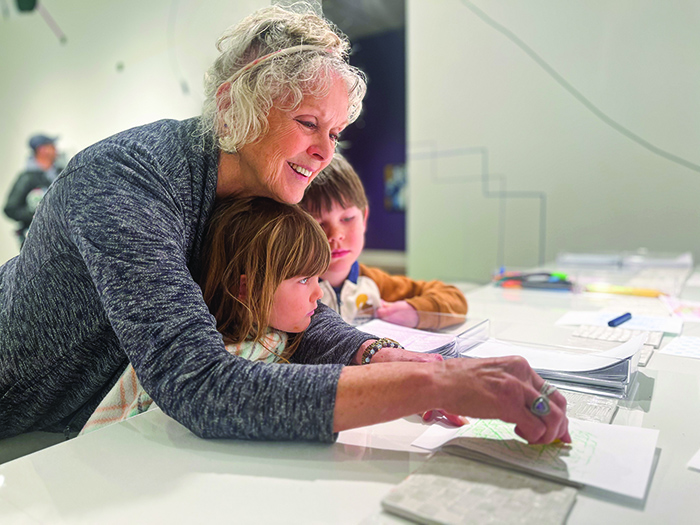
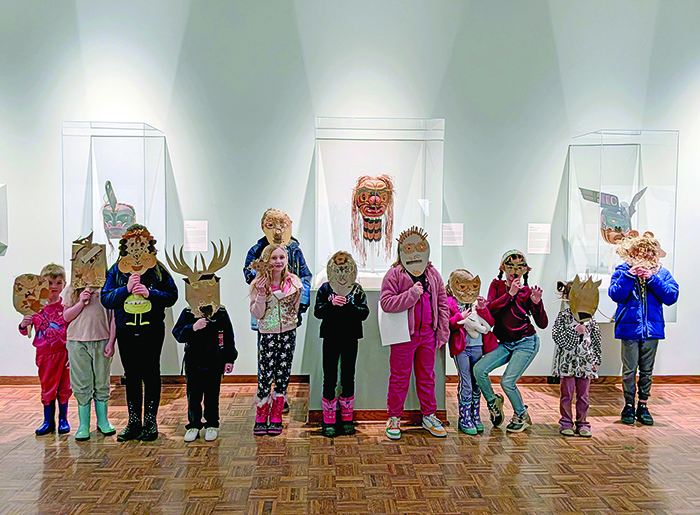
One of the most immediate upgrades is our new Kid Kits, available at the front desk. They’re designed to help families and young visitors slow down, look closely, and stay engaged in the galleries with simple prompts and tools that spark curiosity and conversation. The goal isn’t to turn the museum into an assignment; it’s to give kids, and the adults with them, an easy on-ramp to exploring art with confidence.
Engaging with visual art brings joy, excitement, inspiration, and a reason to talk and wonder together. Our aim is to make the museum a consistently comfortable, welcoming, and fun place for the whole family.
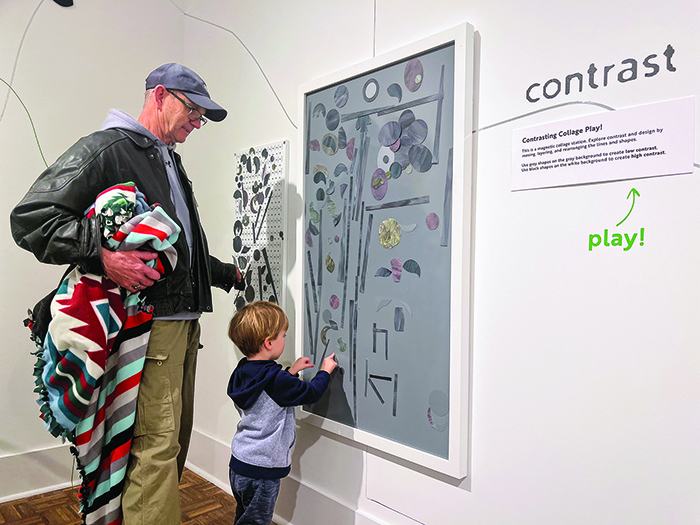
We’ve also refreshed the Exploration Annex, an interactive space connected to our current exhibition, Gateways: African American Art from the Key Collection. Visitors can experiment with abstraction through hands-on play and problem-solving, including manipulating an ever-changing sculpture by stacking, balancing, and rebuilding forms to explore shape, tension, and space. A Velcro-based “line” station turns drawing into something physical, allowing visitors to twist, layer, and rearrange ribbons of line into tangled chaos or intentional patterns. The Annex also features an “under-conscious” station inspired by artist McArthur Binion, where visitors begin with their own words, names, memories, lists, and fragments, building layers with texture-plate crayon rubbings and repeated marks that partially reveal, and partially bury, what lies beneath. It’s a hands-on way to explore how personal history can exist just below the surface of an artwork. Additional magnet-based activities invite experimentation with composition and contrast through quick changes and bold choices.
To expand access in practical ways, we’ve been experimenting with a Swell Form printer, which allows us to create raised-line tactile graphics for visitors who benefit from touch-based learning. This helps translate key visual information, such as simplified shapes, maps, or major compositional elements, into tactile materials that can be explored by hand. It’s one more way we’re working to make the museum more inclusive for visitors who are blind or have low vision.
We’re also growing our accessibility efforts through new ASL video interpretation. Working with a Certified Deaf Interpreter (CDI) specialist, we’re recording American Sign Language videos for selected works in our collection, beginning with pieces in the lobby. This is a meaningful step toward making interpretation more welcoming and usable for deaf and hard-of-hearing visitors and ASL users, and it’s only the beginning as we expand this resource throughout the museum.
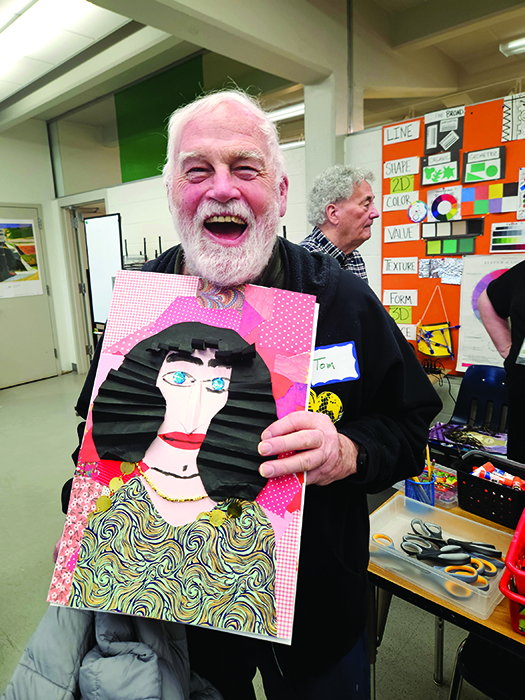
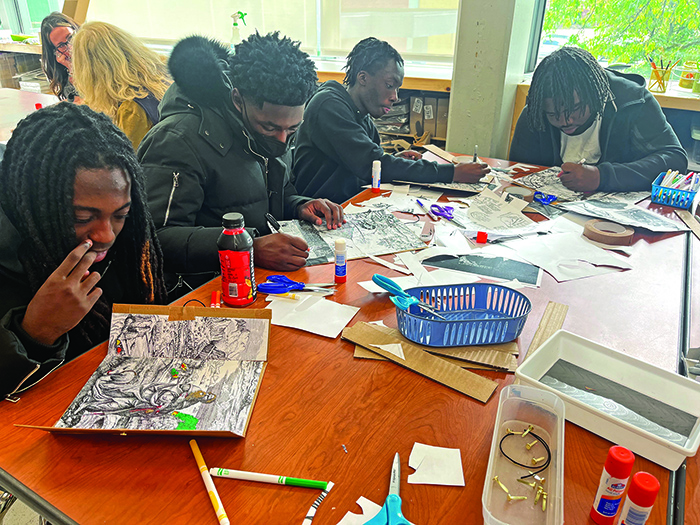
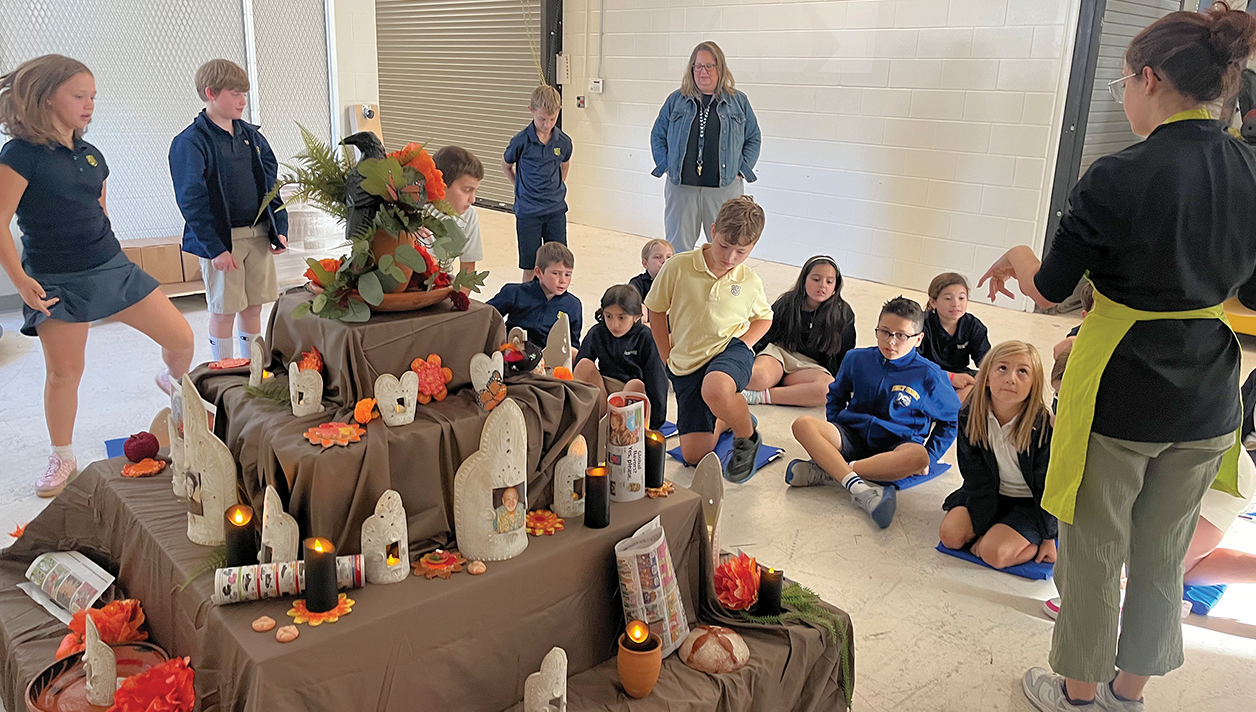
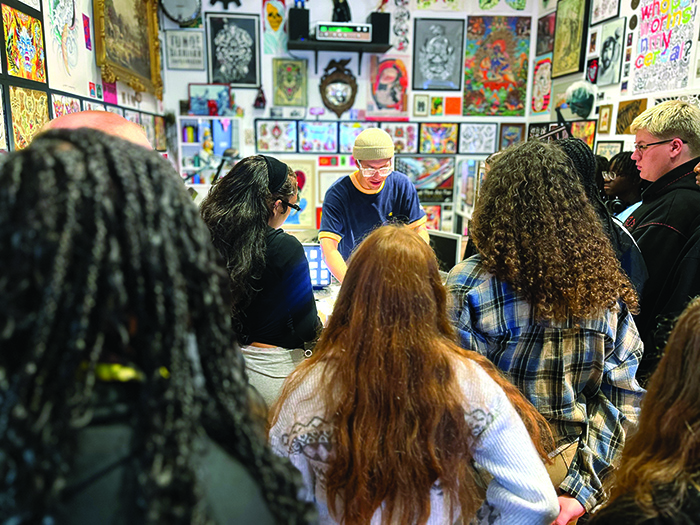
As always, we continue to visit classrooms across our community through our outreach program and regularly welcome both school and adult groups for field trips and studio art-making sessions. If you have a group you’d like to bring, or a classroom you’d like to visit, the easiest way to get started is through our website, flintarts.org, where you can submit an outreach request or field trip form.