










 It’s October … the month of ghosts and goblins, vampires and werewolves. On Halloween night, we are bound to see terrors of all types walking around neighborhoods from door to door on a quest to fill buckets and bags with candy and treats. There are spooky costumes galore, but most can not live up to the reputation of the classics. A few monsters are considered horror royalty and one, bigger than the rest, is Frankenstein’s monster.
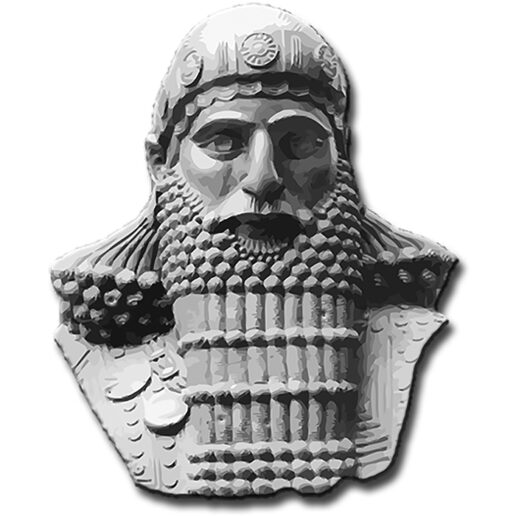 Written between 1755-1750 BC in Babylon, the Code of Hammurabi is one of the earliest and most famous examples of early law. The definition of law is fluid but may be defined as a set of rules that are created and enforceable by social or governmental institutions to regulate behavior. The development of law mirrors the development of civilization itself. Ancient Egyptian law dates back to 3000 BC and its pronouncements are based upon the concepts of truth, harmony, order, morality and justice. The first known law “code” was started in approximately 2200 BC by Sumerian King Ur-Nammu. It consisted of simple “if … then …” statements, usually doling out harsh consequences for those who deigned to “break” the law. When Hammurabi came to power around 1760 BC, he built upon the statements made by Ur-Nammu by adding to, codifying and inscribing them in stone. The 282 “laws” are now known as the famous Code of Hammurabi.