




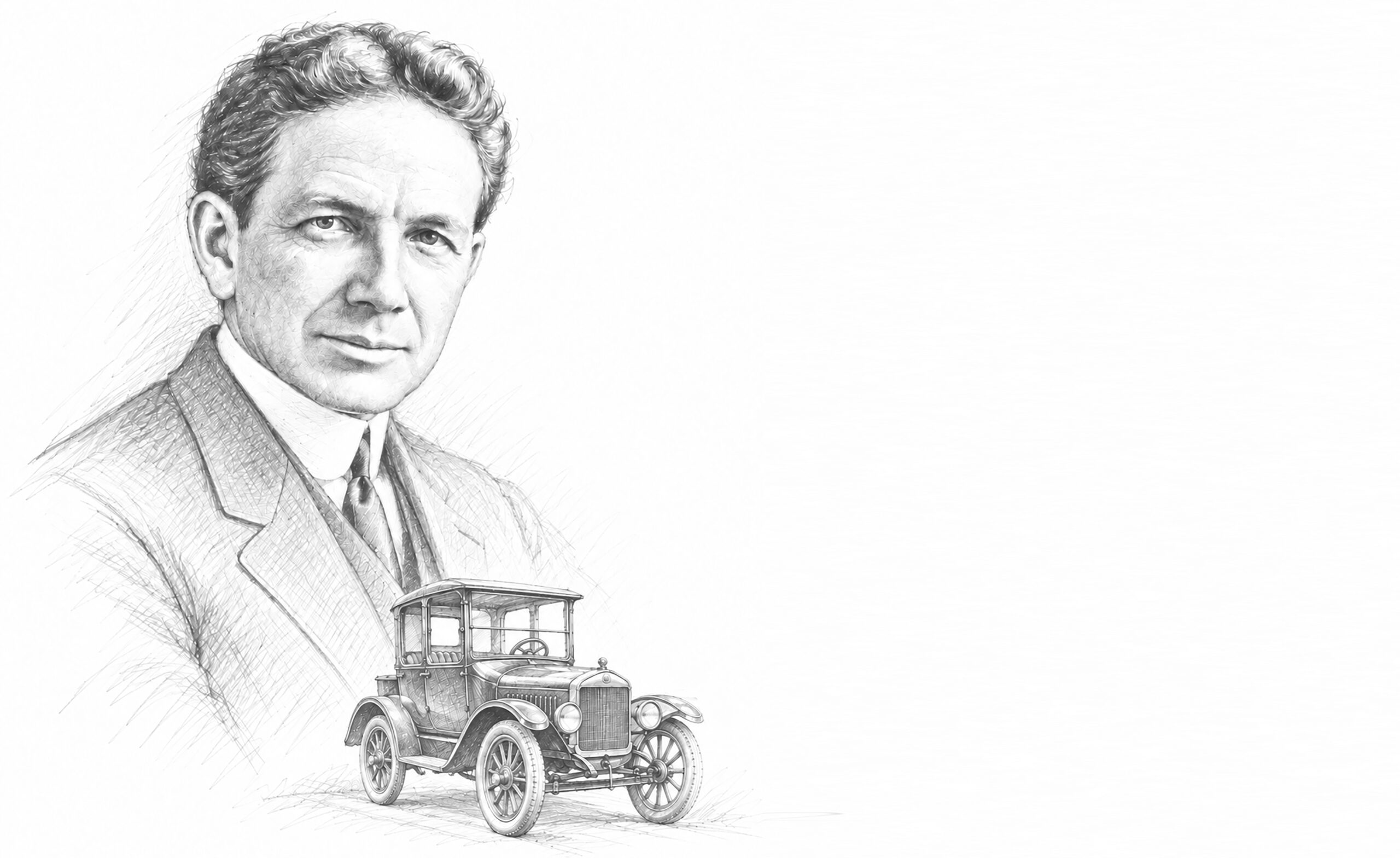
He was a super salesman, maybe the best who ever lived. He was a marketer extraordinaire, perhaps the most prolific in industrial history. He was a genius at organizational development, a master talent scout and, most of all, a brilliant alchemist, turning wood and steel into dollars and cents, neighborhoods and roads, and largely creating the 2OTH century in a myriad of ways.
He was responsible, in full or in part, for inventing, developing or creating from whole cloth: Buick, Chevrolet, Frigidaire, GMAC, GMC, Pontiac, Cadillac, DELCO, AC Spark Plug and other companies too numerous to name. He mentored Charles Stewart Mott, Walter Chrysler, Charles Nash, Charles Kettering, Albert Champion, David Buick and Louis Chevrolet, among many others.
This man, known in fact as
“THE MAN” in his day, envisioned a world that was largely science fiction back then. Iconic industrialist J.P. Morgan called him an “unstable visionary,” while others called him “crazy,” but all who knew him well eventually called him a genius.

“The Man” was William C. “Billy” Durant (1861-1947). The most famous man no one has ever heard of.
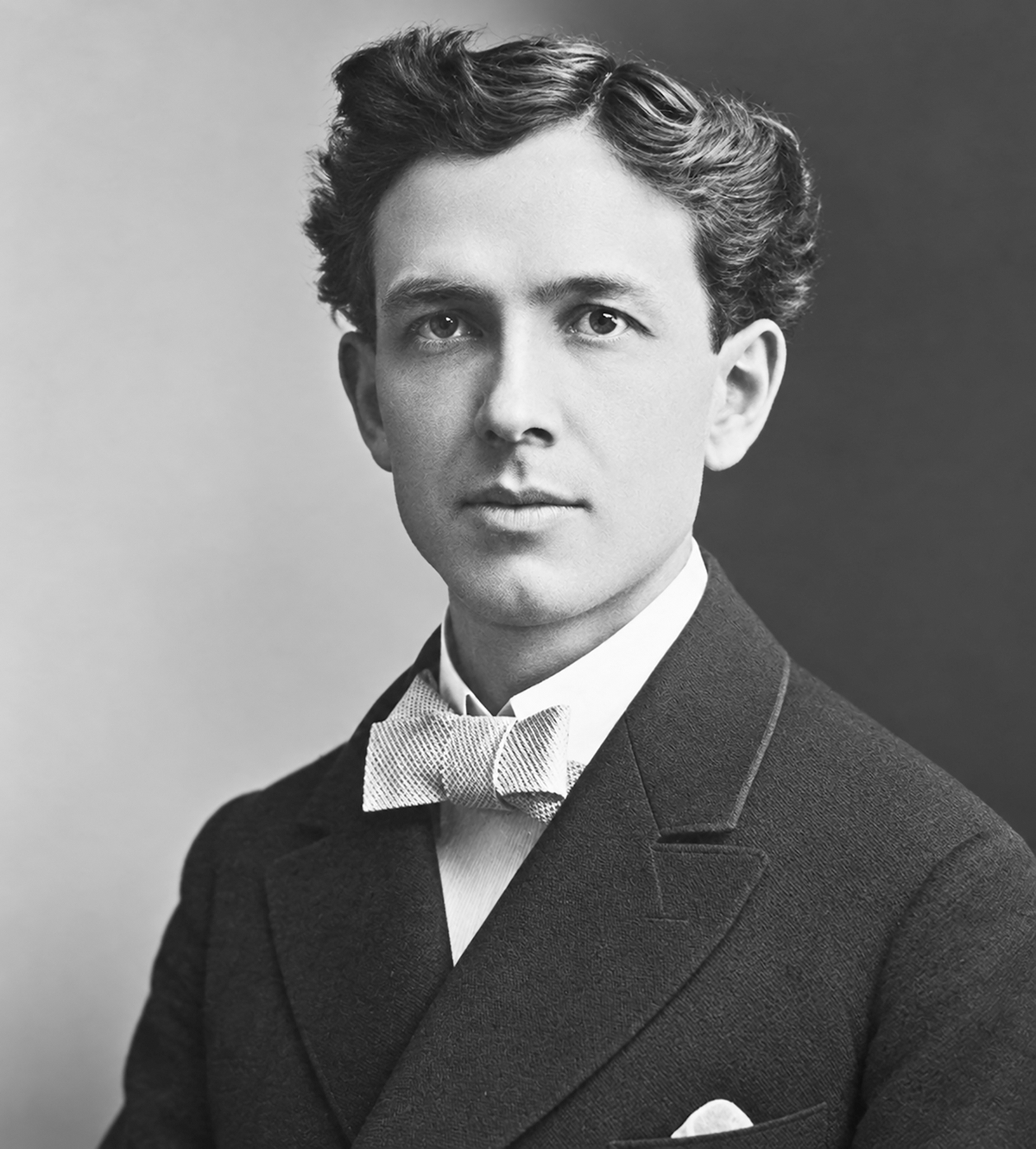
Young Billy Durant when he started the Flint Road Cart Company
How he wound up so anonymous is an enduring mystery, considering his prolific achievements.










Durant was the first to use vertical integration in manufacturing, invented North America’s first franchise dealer network for automobile sales and built the world’s largest sales team in recorded history. Moreover, contrary to popular belief, he was the first to use the assembly line for mass production in his carriage business. Henry Ford’s hired consultants put the assembly line into motion first in Ford plants.
General Motors was created with a deft blend of labor, management, bureaucracy and entrepre-neurialism and, in many ways, helped sculpt the vaunted American middle class.
According to legendary management guru Peter Drucker, the company Billy Durant crafted out of thin air, General Motors, imposed a productivity might that was the primary reason the Allies were able to crush both Hitler and Hirohito. The union movement, white-collar management, automobile sales and the plethora of automobile-related engineering and design careers — their histories and growth are linked to his entrepreneurial machine. Durant always referred to GM as “his baby.”
General Motors was created with a deft blend of labor, management, bureaucracy and entrepreneurialism and, in many ways, helped sculpt the vaunted American middle class.
His creations fueled the American Century, transforming our lives in ways we scarcely appreciate today. He was strong enough to stare down J.P. Morgan — the actual man, not just the company — and Henry Ford; provide guidance to Pierre DuPont; counsel President Hoover about how to avoid a Great Depression (Hoover didn’t listen); rub shoulders with kings and queens, princes and presidents; while still being humble enough to play checkers with elevator operators.
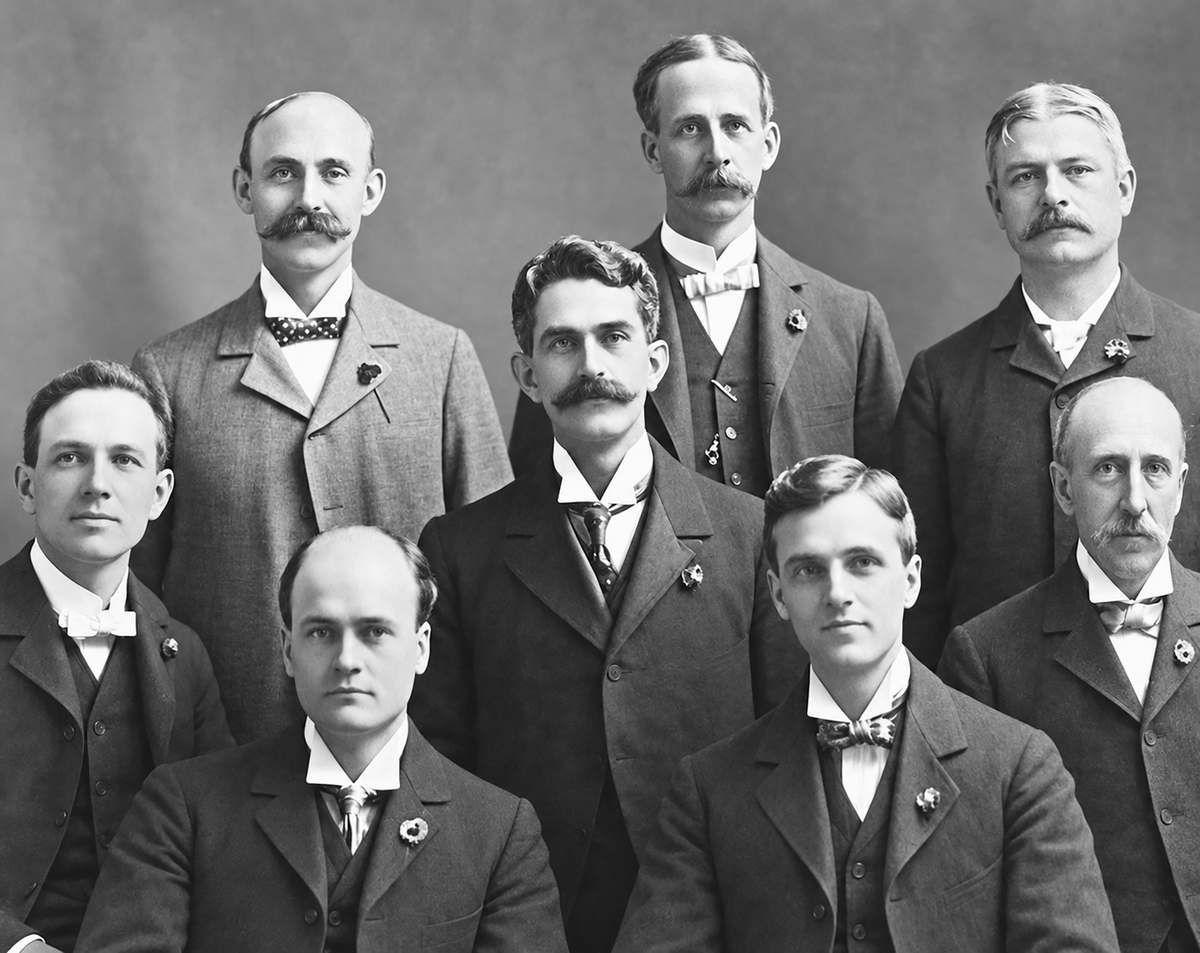
The management team at Durant-Dort Carriage Company. At far left is Billy Durant. Albert Hardy is in the front next to Durant, J. Dallas Dort is in the middle and Fred Aldrich is far right. This is the only group photo of them known to exist.
He saw things that didn’t exist and brought them into reality. He once told an interviewer during a time when horses and buggies were still being used:
“Most of us will live to see this whole country covered with a network of motor highways built from point to point as the bird flies, the hills cut down, the dales bridged over, the obstacles removed. Highway intersections will be built over or under the through lanes and the present dangers of motor travel, one after another, will be eliminated.”
He was loved by his workers (labor strife was rare in his plants), his colleagues and his friends, thousands of whom he made wealthy beyond their wildest dreams. Despite his mercurial and sometimes self-focused behavior, no one doubted that he ultimately had their best interests at heart.
And so, he did, having been ousted not once, but twice, from the helm at GM by a cabal of bankers and backstabbers. He went bankrupt during the Great Depression trying to guarantee investments made in his companies, and while legions of his friends were rich, he died broke.
In the end, despite his massive economic impediments, he had new goals and new dreams. In his 80s, he was planning a chain of bowling alleys, thinking families would flock to them (he was right), and years before Ray Kroc got the smart idea to team with a couple of brothers named McDonald, Billy envisioned a chain of fast-food restaurants with “good food served fast through a window” to accommodate the legions of automobile shoppers he had helped to create.
Durant, for his part, ran the sales and marketing side of things, while Dort focused on day-to-day personnel and administrative issues.
When asked by his wife Catherine why he couldn’t “just rest,” he replied, “We are not given enough time, Mama.”
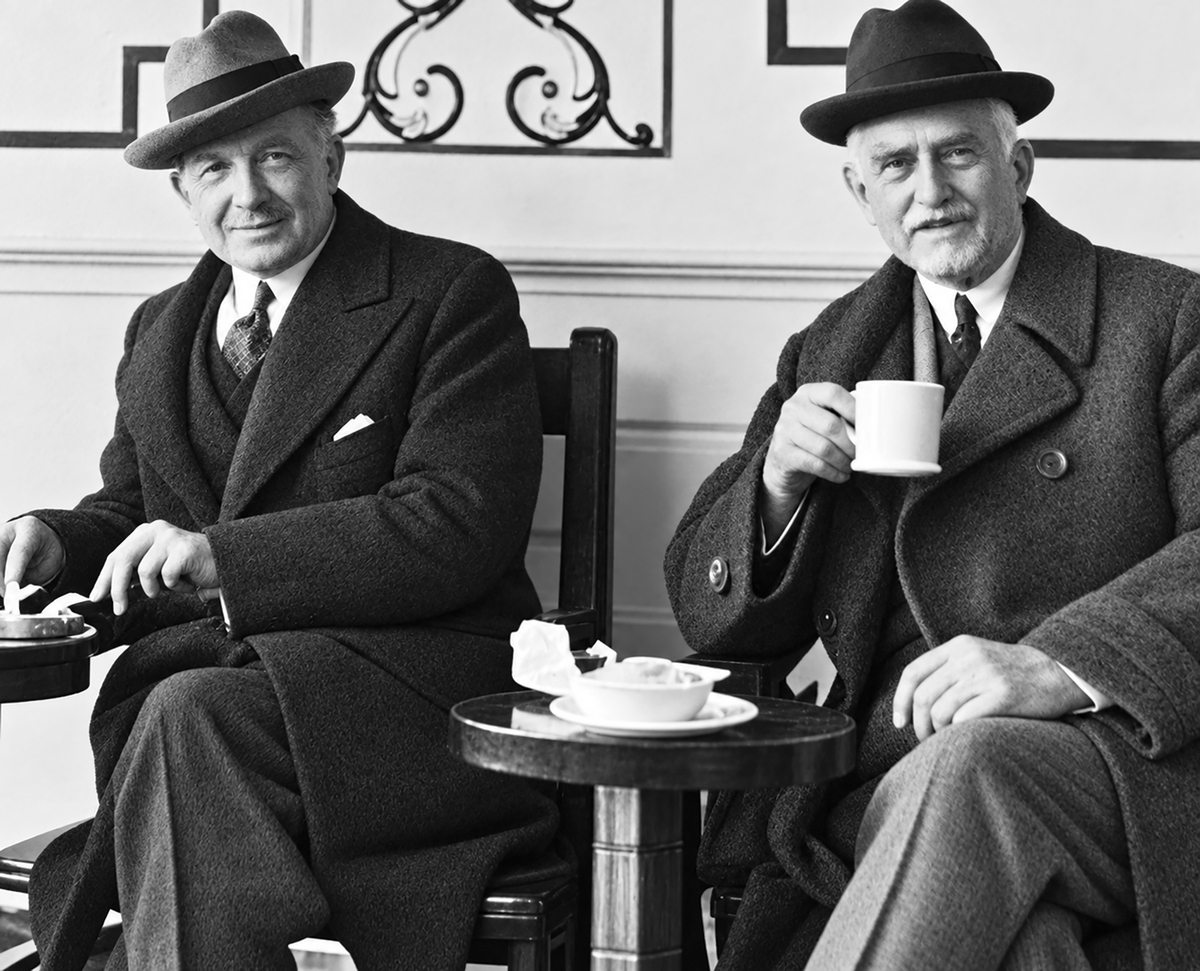
Billy Durant and J. Dallas Dort in their later years
Durant was born in Boston but relocated with his mother, Rebecca, to her hometown of Flint as a child when his parents divorced. Rebecca’s father, Henry Crapo, was an established businessman, ultimately Michigan governor and a weighty figure and lumber magnate in Flint. When he died, his fortune passed to his children, and Catherine and Billy were financially stable as a result.
Despite not having a father, Durant was surrounded by successful male role models in the form of uncles and cousins from the Crapo family of top-tier business leaders. This resonated, and Billy built on it.
Itching to get to the real world of work, he dropped out of Flint Central High School one semester short of graduation. He soon gravitated to sales work and set a record for selling thousands of cigars in one day. He sold medicine, ran a roller-skating rink, started an insurance agency and helped run the water and power company in Flint.
All before he was 25 years old.
Then one day, he was chatting with his pal J. Dallas Dort at the corner of Saginaw Street and Kearsley. Late for a meeting, he hopped a ride with friend Johnny Alger in his carriage. It had a unique seat that operated like a shock absorber.
Impressed, Durant headed to Coldwater in western Michigan to see about investing in the firm that built the road cart and the seat. He returned to Flint with an offer sheet to buy the company.
Meeting with Robert Whaley at Citizens Bank, he convinced him to provide a $2,000 loan to buy the entire company. By the time he walked out of the bank, he was confronted by Dort, who inquired where he’d been.
Durant told him he was in the carriage and road-cart manufacturing business but could use a partner. Dort took him up on the offer, scratched up $1,000, and joined The Flint Road Cart Company.
Durant headed to the Wisconsin State Fair, where he sold a record number of road carts, won the Blue Ribbon prize and headed home to Flint to figure out how to actually build a road cart, since they hadn’t quite figured that out yet.
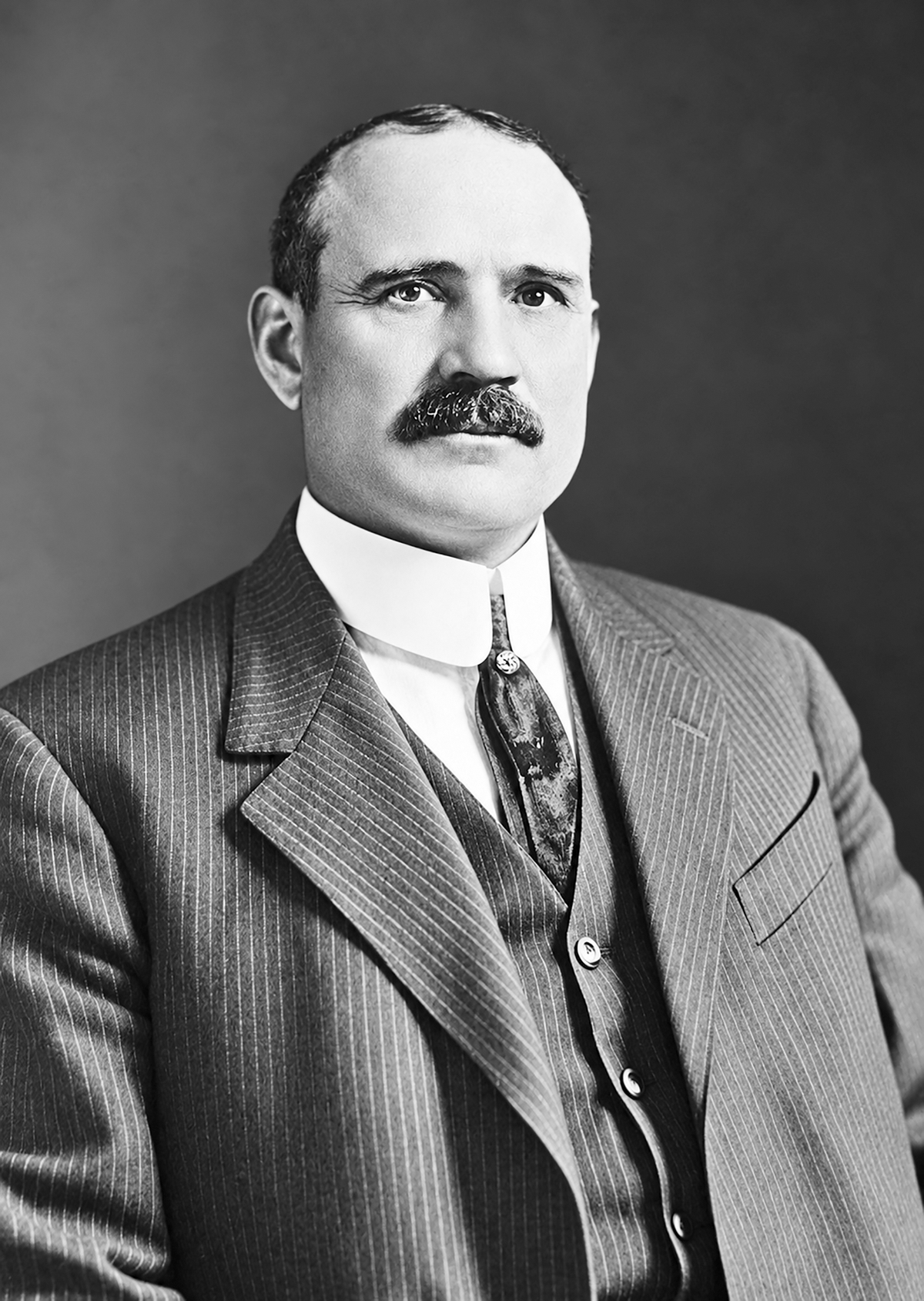
Charles Nash
They partnered with a Flint carriage manufacturer named William Paterson. That worked out briefly until Durant and Dort found Paterson going behind their backs to sell directly to their customers. Lesson learned, the duo leased a new building on Water Street and decided to build their own carts.
In so doing, they also built a team of business leaders that included Charles Nash, Albert Brownell Cullen (A.B.C.) Hardy and Fred Aldrich. The business grew, and they changed the name to the Durant-Dort Carriage Company. Soon, they were the No. 1 builder of carriages, surreys and road carts in the world.
Flint was recognized as “The Vehicle City.”
Durant, for his part, ran the sales and marketing side of things, while Dort focused on day-to-day personnel and administrative issues. Nash, Hardy and Aldrich distinguished themselves in manufacturing, management and finance, respectively. It was an all-star team.
Durant headed to New York and Wall Street to establish the Durant-Dort Securities firm and get into the money business. In the meantime, local carriage competitor The Flint Wagon Works had purchased a Detroit-based auto and engine company from owner Benjamin Briscoe. The company relocated to Flint and the Wagon Works site in 1903. The purchase included the company name and the company founder, a man named David Dunbar Buick.
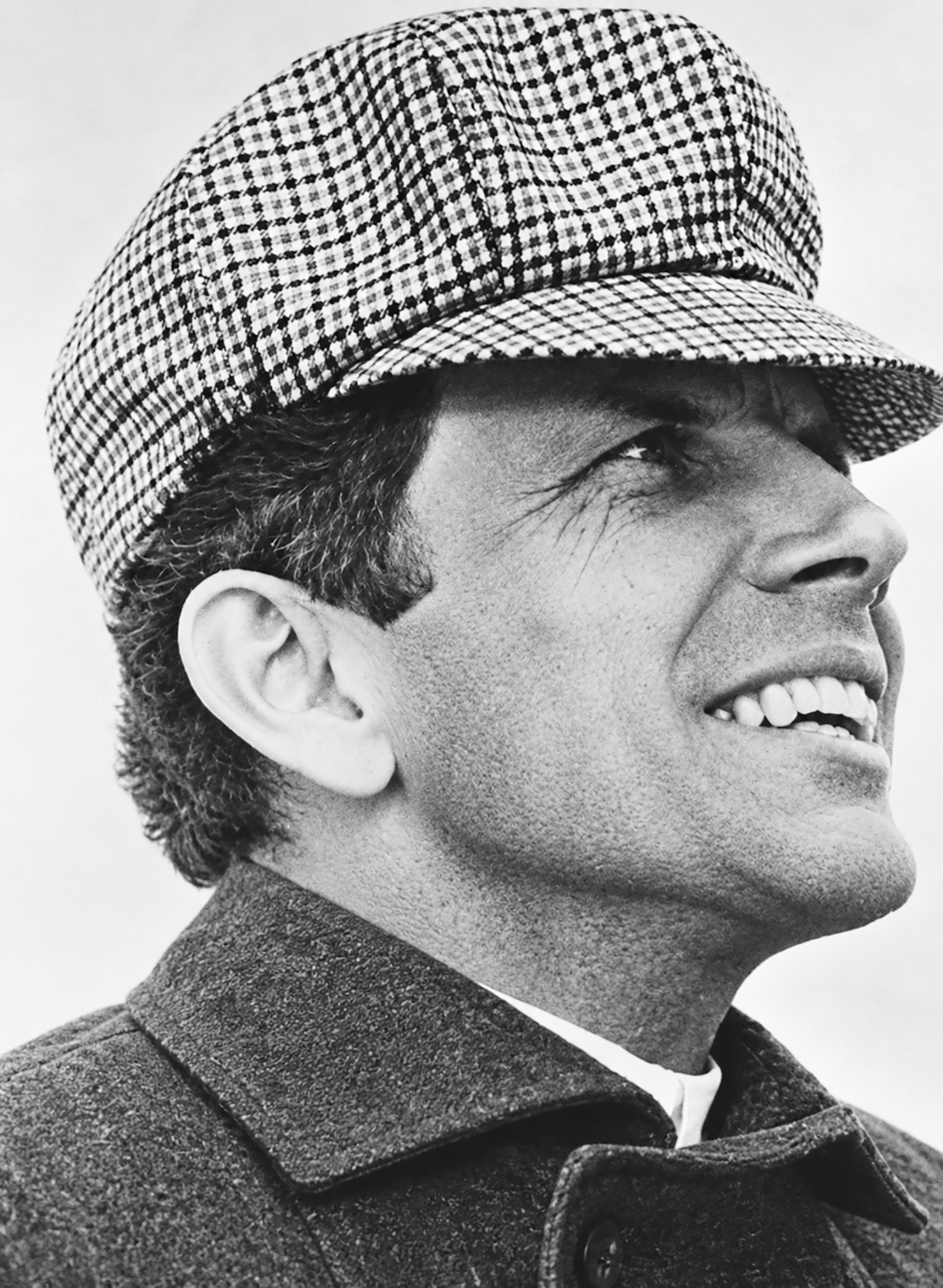
Swashbuckling Billy Durant at the peak of his powers
A brilliant inventor, Buick wasn’t much for running a business or managing money. Wagon Works leaders James Whiting, William Ballenger and others recognized the dire situation they faced with a potentially great product but the wrong person leading it.
Soon, facing insolvency, they appealed to Dort and Aldrich to see about enticing the one man who could turn it around to jump into the auto game: William C. “Billy” Durant.
The problem was that Durant was having a great time in New York and really didn’t care for automobiles. But he did care for Flint, and the banks and associated citizen investors were facing economic ruin, along with the city itself, if Buick failed.
The carriage industry was on the way out, and if Flint couldn’t reinvent itself, it was entirely possible that this small but economically vibrant city would find itself in a downward spiral.
Durant agreed to come home to save the city and Buick. He had one rule: He was to be in charge. It was going to be his game to win or lose.
Whiting and the Wagon Works rulers readily agreed. In 1904, the world turned on a dime with this move. With astonishing speed, Durant reinvented the sales, marketing and financial structure of Buick. He headed to the New York Auto Show and returned with more than a thousand orders for Buicks.
Just like he did with carriages, the cars were yet to be built!
Soon, Buick was the leading automaker in America. Durant envisioned the world’s largest auto factory in Flint and turned the former Hamilton Farm into just that. He added the W.F. Stewart Company to build bodies and enticed Charles Stewart Mott and his partner William Doolittle to relocate their axle firm from Utica, New York, to Flint.
He met a charismatic Frenchman living in Boston who tried to sell Durant spark plugs, and persuaded him to move his operation to Flint and set up shop at the Hamilton Road Buick plant. Albert Champion did just that.
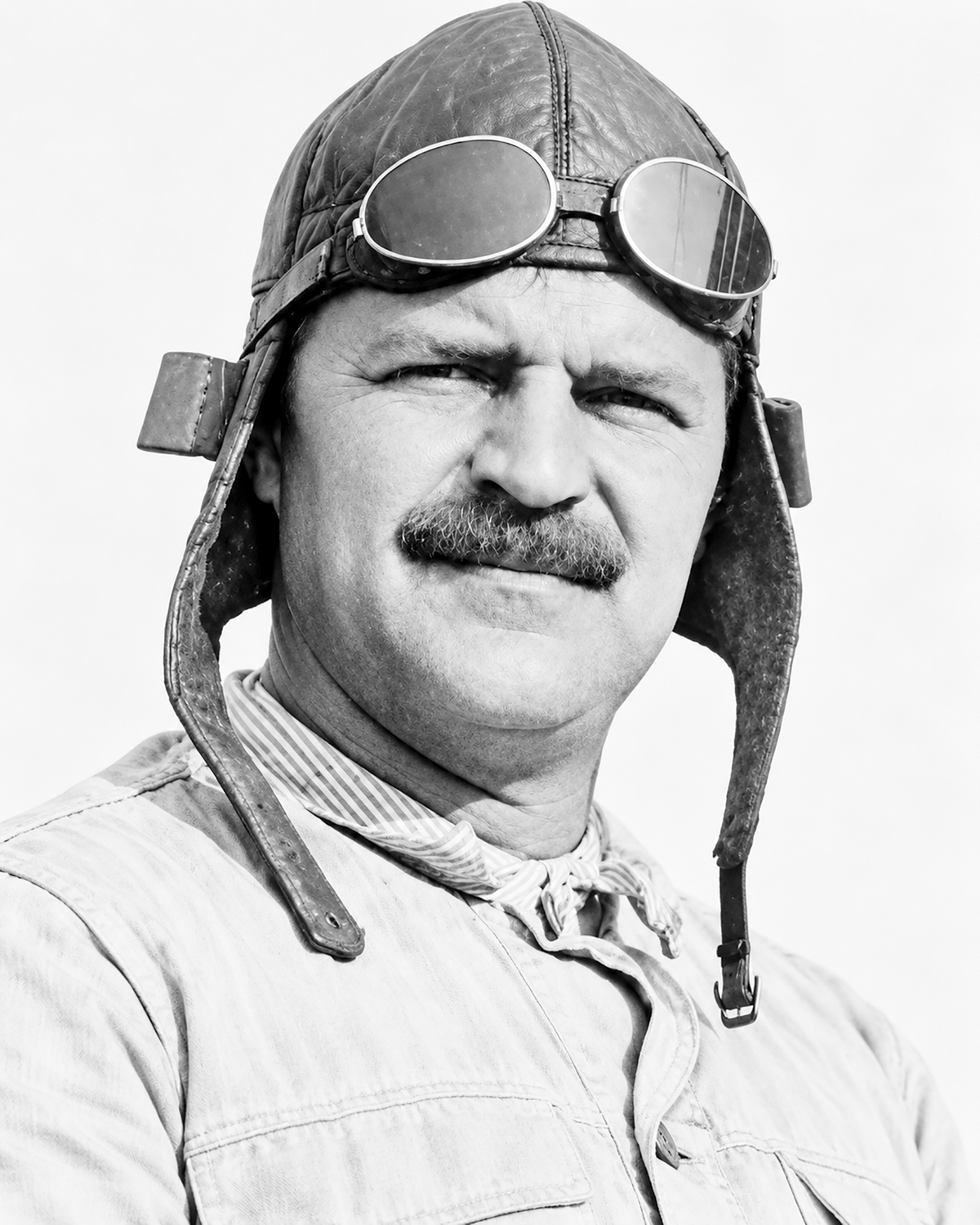
Louis Chevrolet racing cars for Durant as part of the Buick Racing Team
Then, in 1908, he met with the man who had sold Buick to the Wagon Works, Benjamin Briscoe, at the Dresden Hotel on Saginaw Street. The topic was the creation of the country’s first automobile combination.
That breakfast meeting led to Durant single-handedly inventing a company called General Motors (GM). There are a lot of myths surrounding the creation of GM. One of them is that there were co-founders. There were not. He did it alone.
There are a lot of myths surrounding the creation of GM. One of them is that there were co-founders. There were not. He did it alone.
And that is a story unto itself. So is the way he had the company stolen from him and then got it back by creating a company called Chevrolet, working initially with a famous race car driver who worked for him at Buick named Louis Chevrolet.
When Durant lost control of GM in 1910, he recommended Charles Nash to run it. Nash brought in a man named Walter Chrysler to take over the Flint Buick plant. When Durant recovered GM (another incredible story on its own merit), he brilliantly retained Chrysler’s service.
Durant had built Chevrolet up to the extent that Chevrolet acquired GM in what we’d call today a “hostile takeover,” and Durant owned Chevrolet. Therefore, he controlled both.
Indeed, the American automobile industry of most of the 20th century consisted of the “Big Four” automakers: GM, Ford, Chrysler and Nash (later American Motors). Durant had a hand in three of the four — GM, obviously, and the firms of former employees Chrysler and Nash.
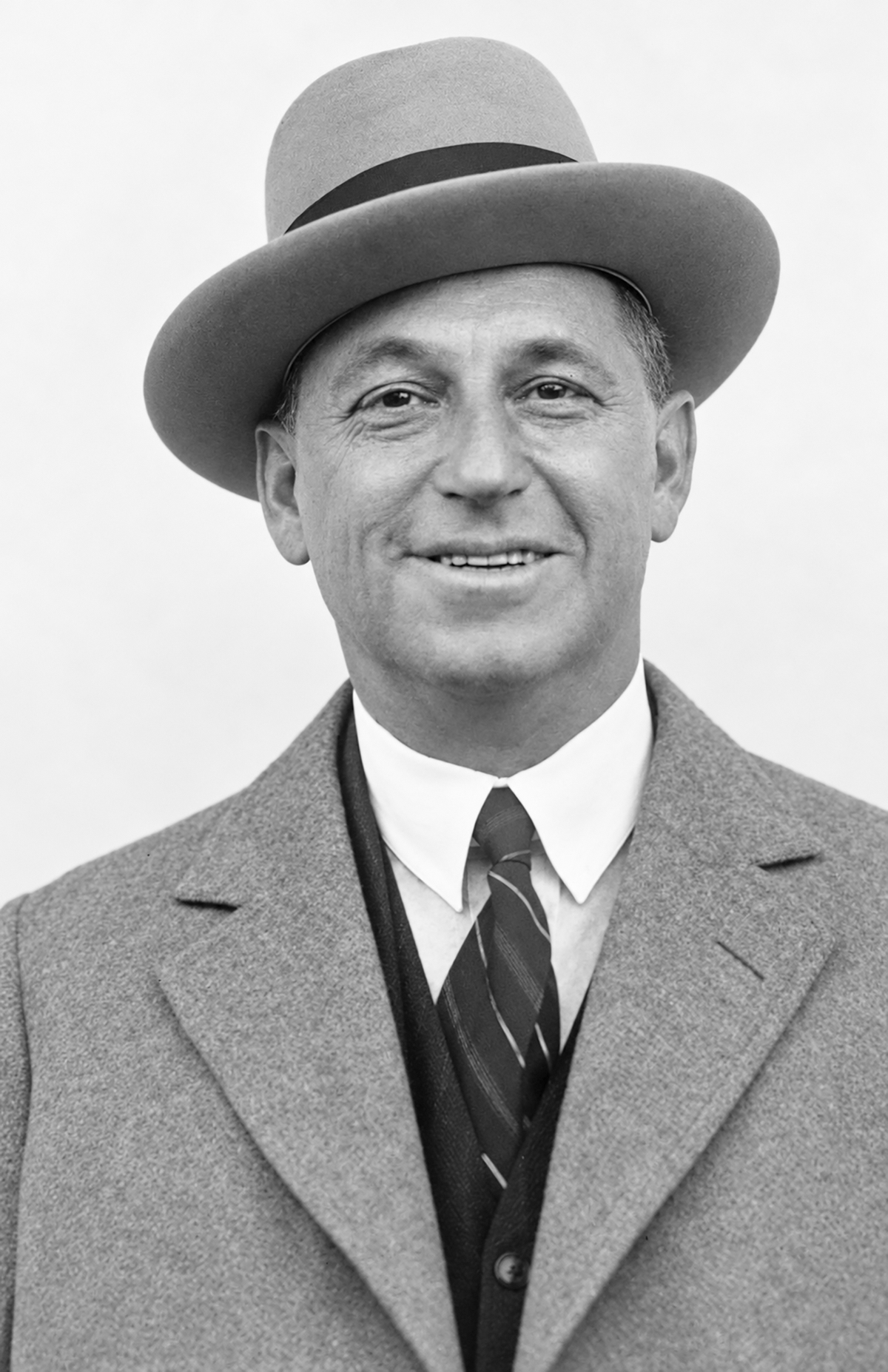
Walter Chrysler in his Flint days
In between all of this action, Durant also created the Frigidaire company, controlling domestic refrigeration as a side gig.
He ultimately lost control of GM a second time. So, he simply invented another auto company and became the biggest player on Wall Street and America’s fourth-wealthiest man.
But fate had more in store for him, and it would knock him to his knees. Durant would bounce back again and dream of the next big thing in America. Only a stroke and age would stop that one from becoming reality.
All of this leaves out a lot of dramatic details.
Suffice to say that Durant’s time on the world stage was epic. Even today, when his story is told, even locally (especially locally), they get it wrong, often egregiously wrong. That is most unfortunate because we have so much we could learn from his stunning success.
Billy Durant’s spirit can be embodied in his own words, words of advice given to others in the face of difficult circumstances. It’s sage counsel for anyone chasing a dream, building a business or trying to save a city:
“My advice to you and all others is to keep working… Forget mistakes. Forget failures. Forget everything except what you’re trying to do now — and do it.”
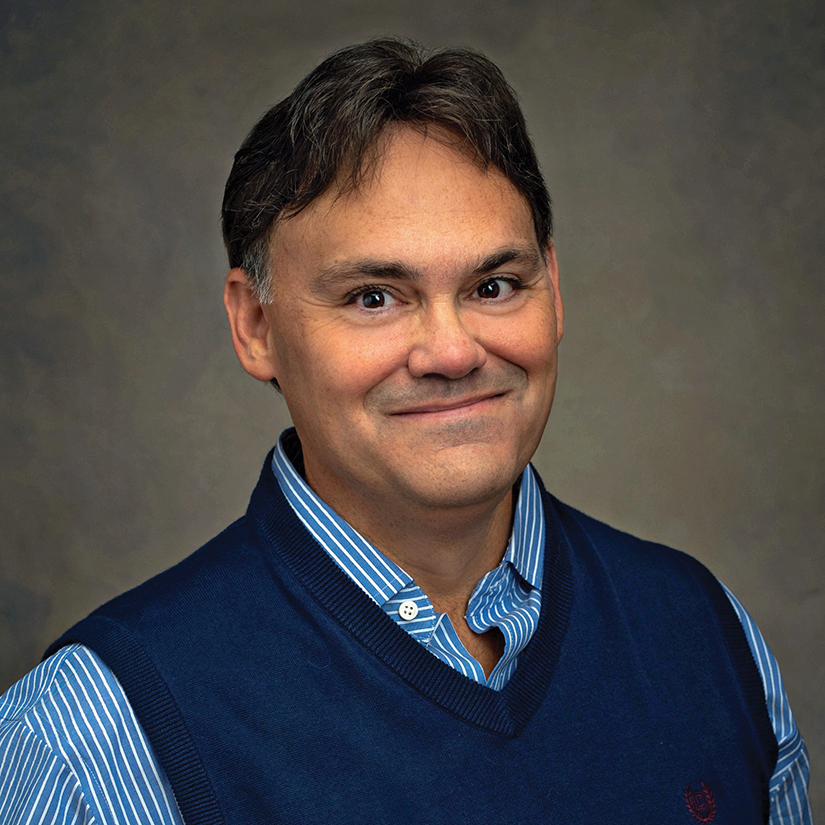
Gary L. “Fish” Fisher is President of the Genesee County Historical Society. Born and raised in Flint, he has lived in the area most of his life and his family has been a part of the Flint area for over 115 years. His fascination with the history of the city has existed as long as he can remember. In addition to writing, he is the President of G.L. Fisher Capital Management, LLC , an investment and financial planning firm he founded in 1992. He asserts that Flint has produced the best cars, athletes and coney islands the world has ever known – and the toughest people! Fisher can be reached at
ply2win2006@aol.com.