





Michigan is filled with places where history happened behind grand doors, along shadowy corridors and inside rooms that have witnessed wealth, tragedy, innovation and, in some cases, stories of the unexplained.
This October, take a step inside. From former psychiatric hospitals and Victorian mansions to a Flint estate, a Charlevoix castle and one of Detroit’s most famous restaurants, these ten historic destinations offer fascinating stories and plenty of reasons to explore.
Old Hospitals and Asylums

Eloise Asylum
Westland
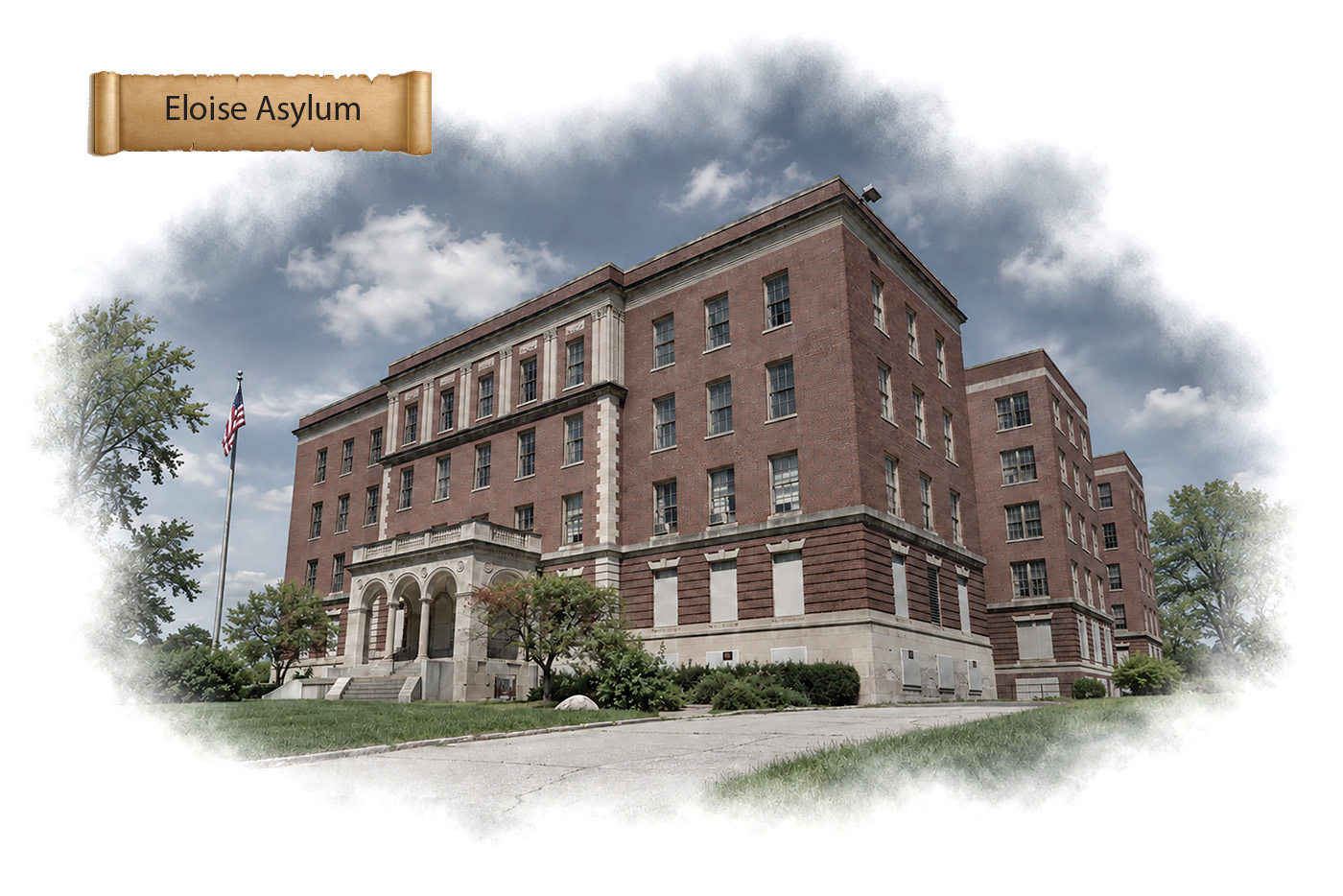
Eloise dates to 1839, when Wayne County purchased land in what is now Westland and established a poorhouse. Over time, the property grew into a massive, largely self-contained institution serving people who were poor, elderly, sick or living with mental illness.










At its height, the Eloise complex covered more than 900 acres and included more than 70 buildings. More than 10,000 patients and approximately 2,000 employees were connected to the institution during its peak years.
Like many institutions of its era, Eloise has a complicated history. Early treatment of mental illness was often harsh, and people with very different needs were housed together. But its story also reflects changing attitudes toward sanitation, patient care, outdoor activity and treatment.
Today, only a small portion of the original complex remains. The Kay Beard Building at 30712 Michigan Ave. is the centerpiece of the modern Eloise attraction.
Visitors can explore its history through guided tours, paranormal investigations and escape rooms, while October brings the site’s famous haunted-house experience. For those more interested in history than scares, the approximately three-hour guided history tour offers a fascinating look inside the surviving building and surrounding grounds.
Traverse City State Hospital
Traverse City
One of Michigan’s most remarkable historic preservation success stories began as the Northern Michigan Asylum.
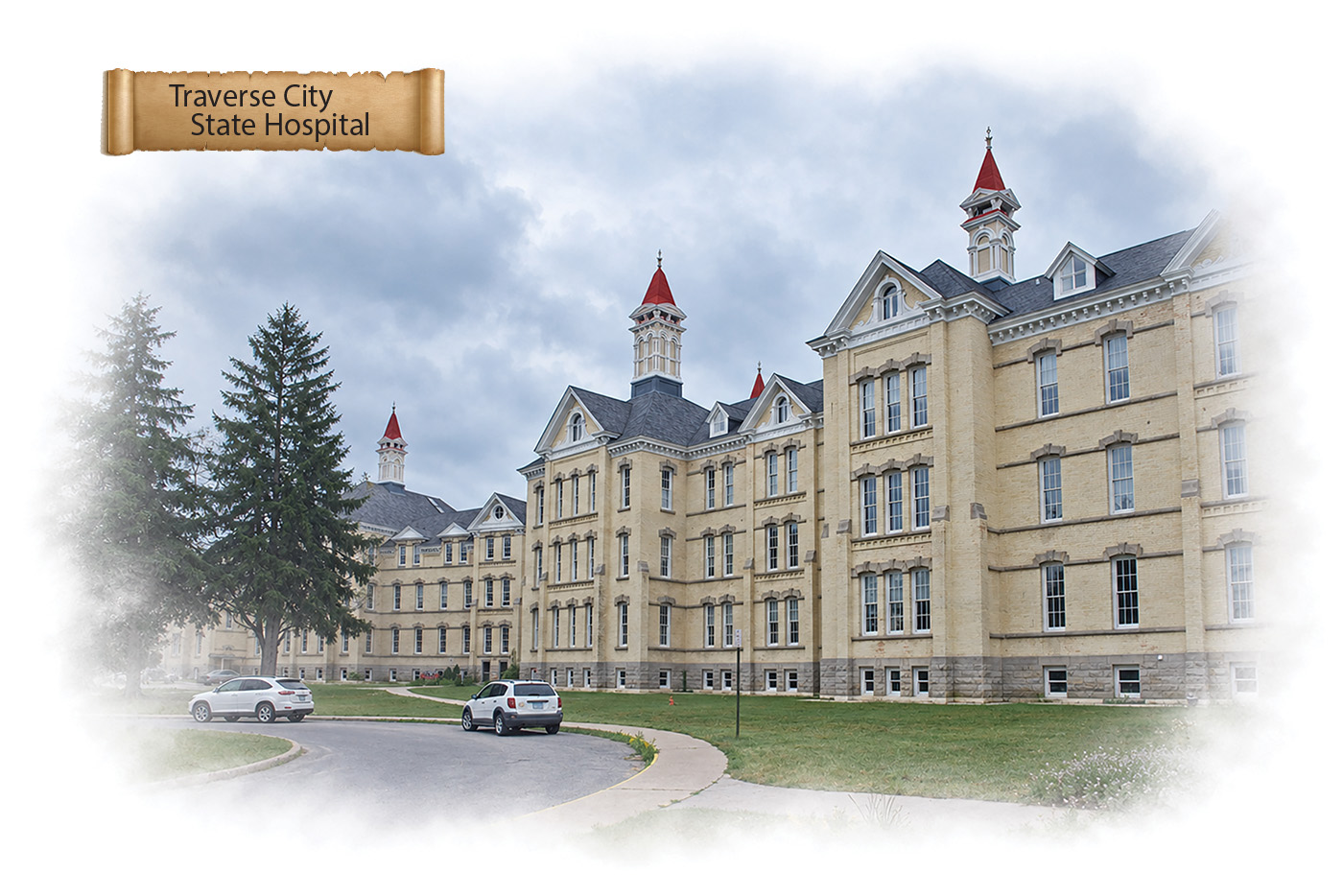
Construction began in 1882, and the first patients arrived in 1885. Designed according to the Kirkbride Plan, the sprawling hospital emphasized a then-progressive philosophy: beautiful surroundings, fresh air, sunshine and meaningful activity could play a role in healing.
The enormous central building, now known as Building 50, eventually became the heart of a campus that included cottages, farms, orchards and gardens.
The hospital closed in 1989, but rather than disappear, the historic complex was saved and transformed into The Village at Grand Traverse Commons. Today, visitors will find shops, restaurants, residences and businesses inside one of Michigan’s most ambitious adaptive-reuse projects.
Historical tours offer a chance to learn about the architecture, patients and people who shaped the institution. Some tours also explore portions of the historic brick steam tunnels beneath the complex, adding an appropriately mysterious atmosphere.
The Village at Grand Traverse Commons is at 830 Cottageview Drive.
Stimson Hospital
Eaton Rapids
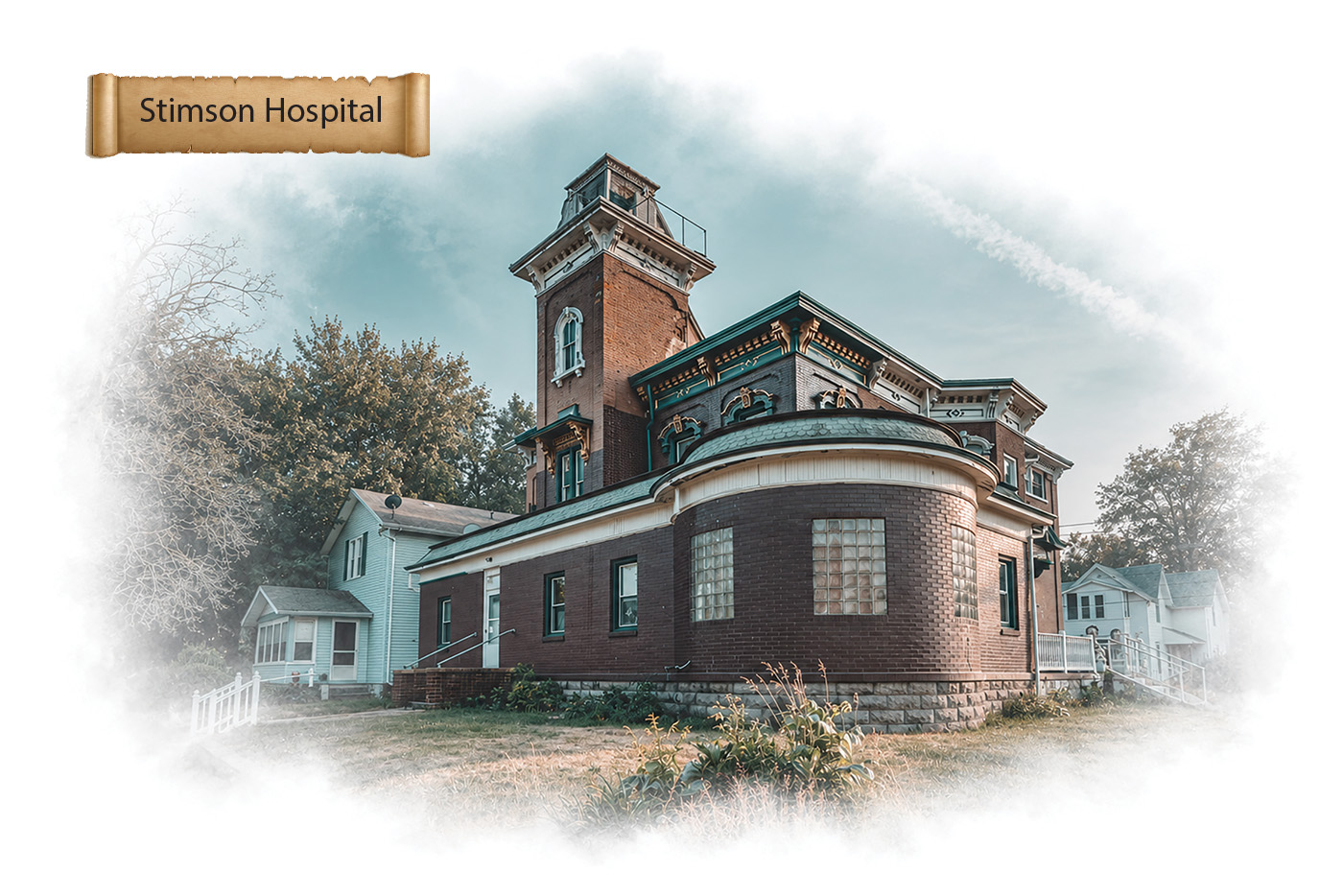
The striking Victorian building at 101 W. Plain St. began as a private residence in the 1870s before becoming a community hospital in 1918.
Its history took a tragic turn shortly after opening. Dr. Francis Blanchard, one of the physicians involved in establishing the hospital, stepped through an open elevator doorway, unaware the elevator car was not there. He fell down the shaft and later died from his injuries.
Two other people closely associated with the hospital also died inside the building. Harriet Chapman, who helped establish the hospital, later became a patient there and died in an upstairs room. Dr. Charles Stimson reportedly died at his desk after suffering a heart attack.
After serving the community until 1957, the building was converted into apartments. New owners began restoring the historic property in 2017 and became interested in its long history of reported paranormal activity.
Today, Stimson Hospital is a destination for scheduled history tours and paranormal investigations.
Historic Mansions and Homes
Ford House
Grosse Pointe Shores
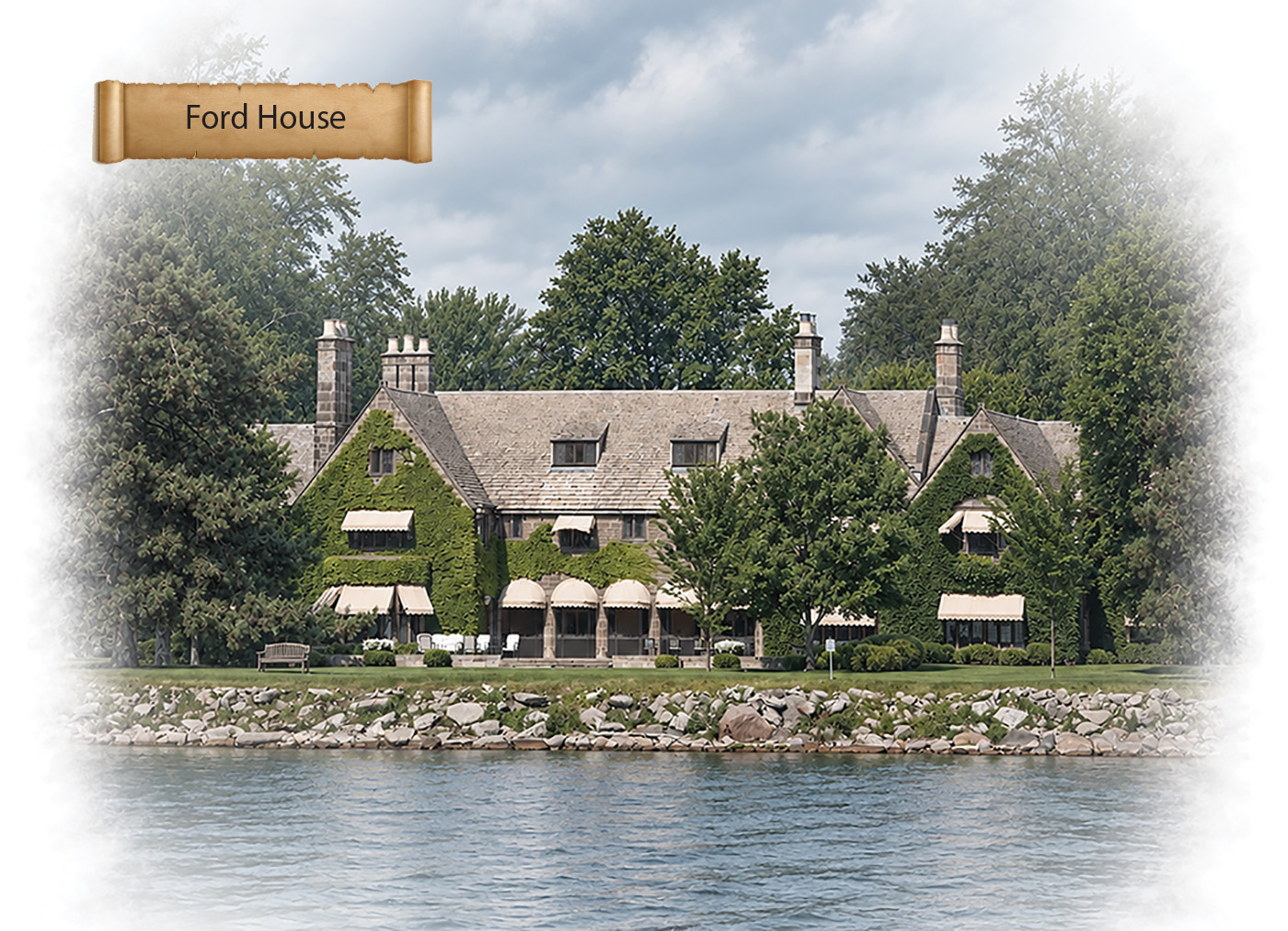
The spectacular former home of Edsel and Eleanor Ford is one of Michigan’s premier historic house experiences.
Built in 1928, the English Cotswold-style residence sits on 87 acres along Lake St. Clair. The Fords raised their four children there, and the home was designed not simply to display wealth, but for family life, entertaining, art and nature.
Edsel Ford, the son of Henry Ford, became president of Ford Motor Company in 1919 and was deeply interested in art, design and innovation. His influence helped shape some of the company’s most distinctive automobiles, including the Model A and Lincoln Continental.
The approximately 30,000-
square-foot home remains filled with original furnishings, artwork and personal details. Tours take visitors beyond the beautiful rooms to tell the story of how one of America’s most famous families actually lived.
Ford House is at 1100 Lake Shore Road in Grosse Pointe Shores and offers grounds admission and several guided experiences.
Meadow Brook Hall
Rochester
If you like your history with a little mystery, Meadow Brook Hall delivers.
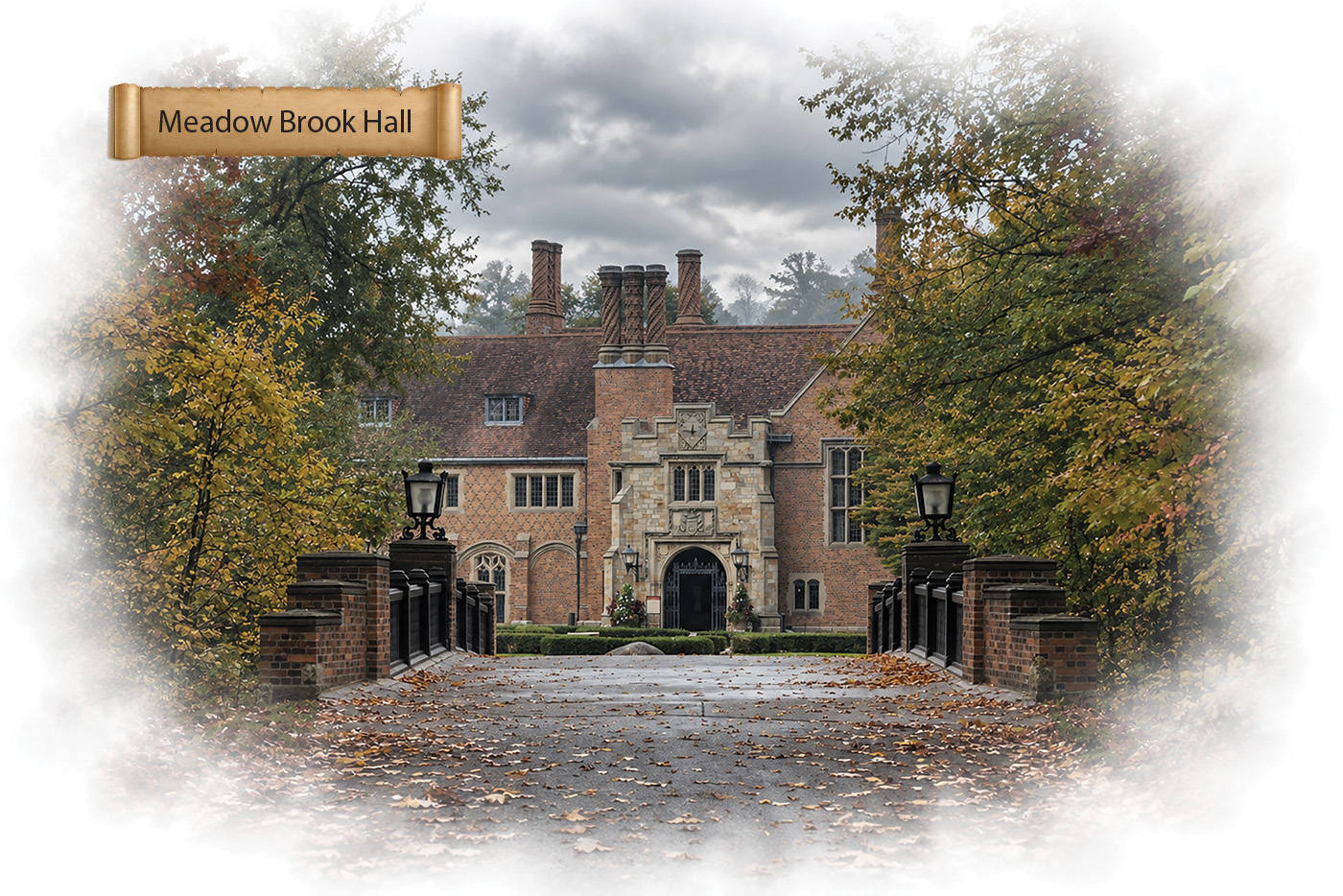
The former home of Matilda Dodge Wilson, widow of automobile pioneer John Dodge, Meadow Brook Hall was built between 1926 and 1929. The Tudor Revival mansion contains 110 rooms and approximately 88,000 square feet of architectural detail, original furnishings and artwork.
But Matilda’s story is as interesting as the mansion itself. After inheriting a substantial fortune following John Dodge’s death, she married Alfred Wilson, and together they built Meadow Brook Hall as their country estate. She later played an important role in the creation of what became Oakland University, where the mansion now stands.
During October, the Hall embraces its spooky side.
Flashlight Tours on October 6, 13, 20 and 27 invite visitors to explore after dark while discovering details often missed during daytime tours.
On October 29, Hall-oween: Bewitching Hour offers an adults-only evening of costumes, cocktails, spooky snacks and an after-dark stroll through the estate.
Meadow Brook Hall is at 350 Estate Drive in Rochester.
Hackley & Hume Historic Site
Muskegon
Two Victorian mansions. Two lumber barons. And one fascinating glimpse into Muskegon’s Gilded Age.
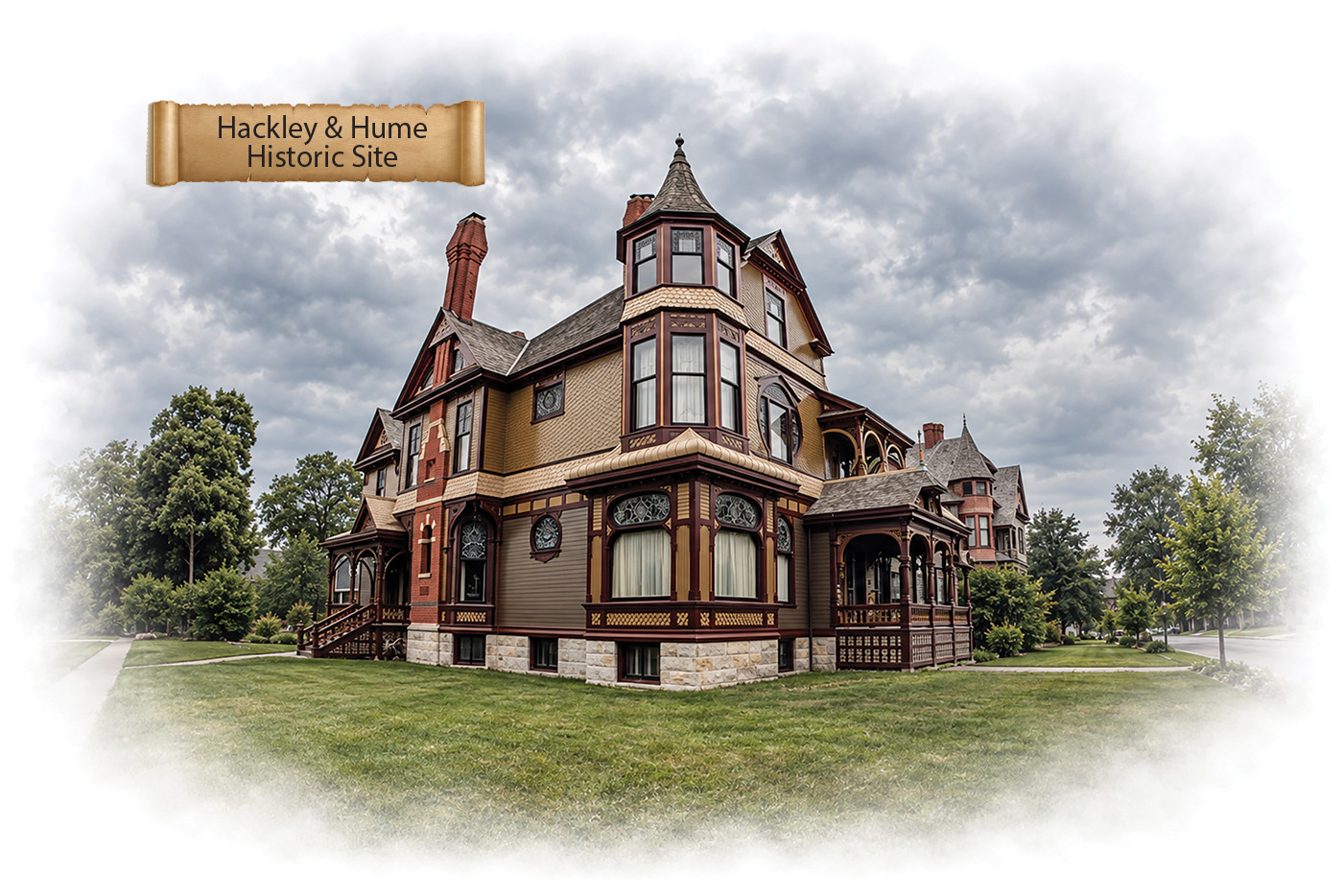
The homes of Charles H. Hackley and Thomas Hume stand side by side at 484 W. Webster Ave. Built in the late 1880s, the Queen Anne-style homes belonged to business partners who made their fortunes during the height of Muskegon’s lumber boom.
Hackley’s home is interpreted to approximately 1890, while the Hume House reflects life around 1920. Together, the homes tell the story of a changing city and era.
October programming adds a darker twist.
A Flashlight Tour on October 9 takes visitors through five floors of the homes while guides share quirky and creepy facts.
Obituary Tours on October 16 and 17 explore Victorian attitudes toward death, funerals, mourning and remembrance. These are, after all, real homes where real people lived and died.
The Whitney
Detroit
Few places combine Detroit history, fine dining and ghost stories quite like The Whitney.
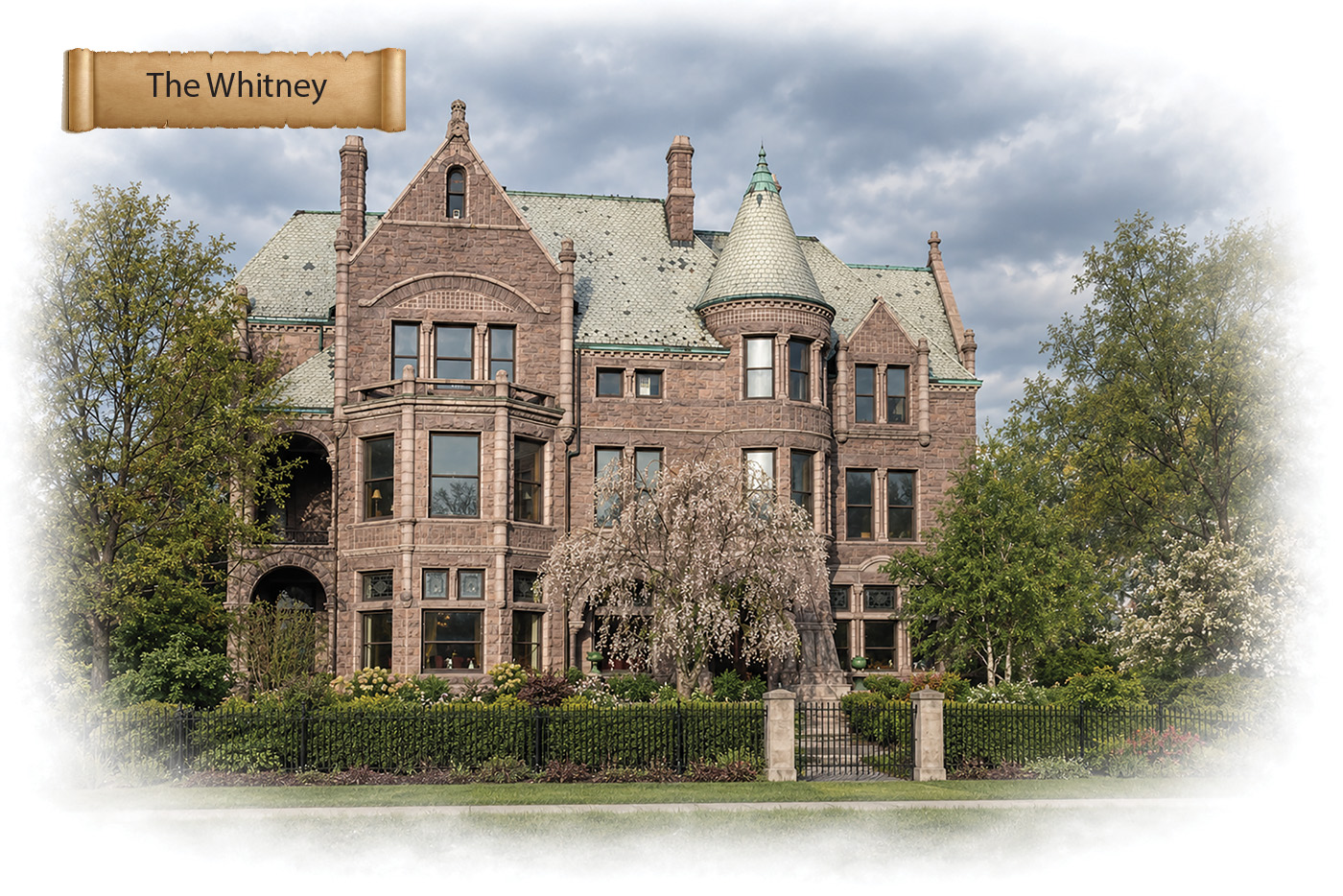
The magnificent Romanesque Revival mansion at 4421 Woodward Ave. was built between 1890 and 1894 for lumber baron David Whitney Jr. The 22,000-square-foot mansion features 52 rooms, 20 fireplaces and 218 windows.
Today, The Whitney is a restaurant, cocktail destination and special-events venue, but the historic mansion remains the star of the show.
The building also has a long-standing paranormal reputation. One of its most enduring legends involves a woman reportedly seen or heard crying on the third floor, said by some to be Whitney’s first wife, Flora.
The third floor is now home to The Ghostbar, while Late-Night Paranormal Tours offer visitors a chance to explore the mansion and carriage house after dark.
For the truly adventurous, The Whitney’s 12th Annual Halloween Paranormal Adventure is planned for October 29, 30 and 31, featuring dinner, paranormal history, spirited tours and Halloween-only access to parts of the property.
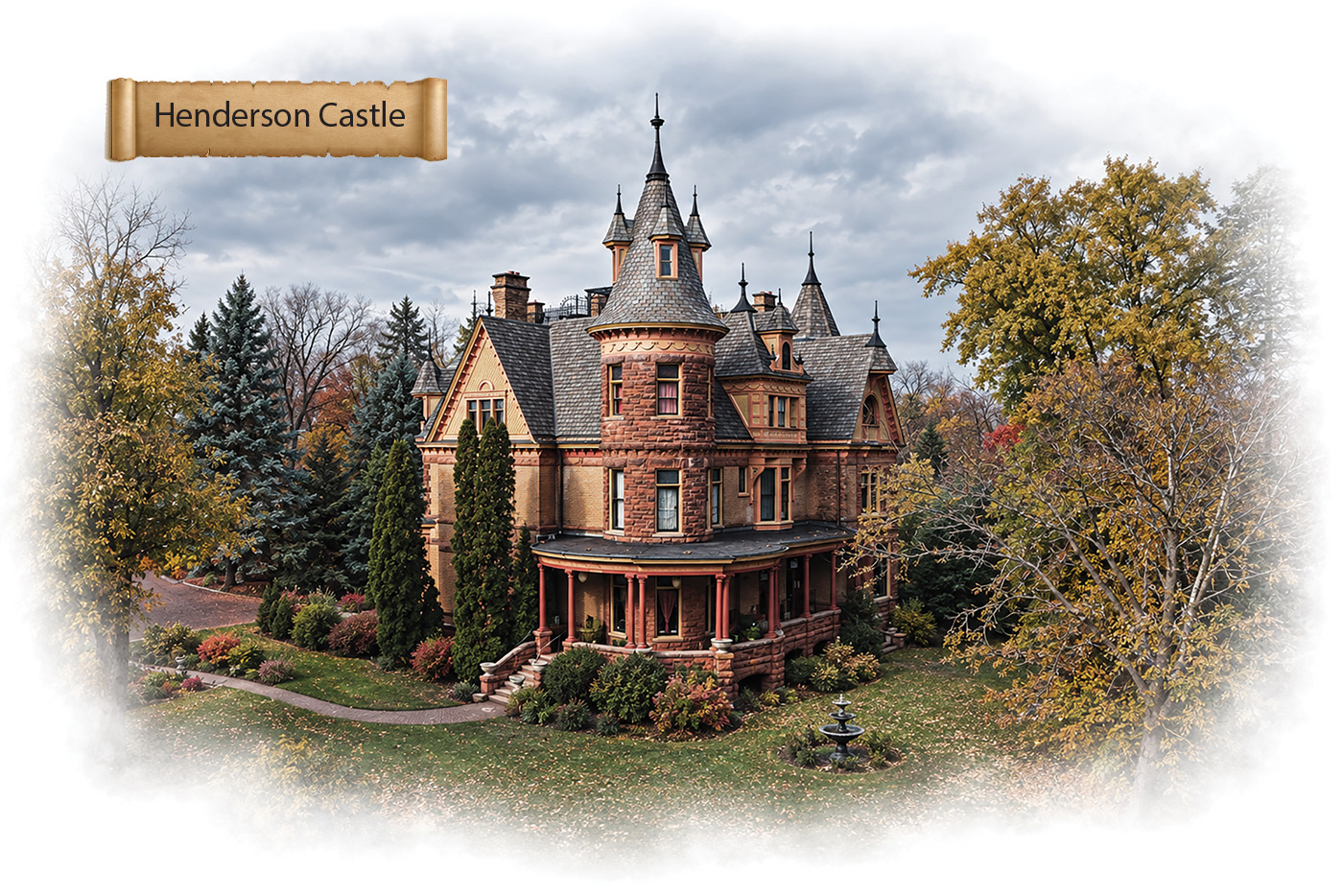
Henderson Castle
Kalamazoo
Perched high on West Main Hill, Henderson Castle looks like it belongs in a fairy tale, or perhaps a ghost story.
Built in 1895 for businessman Frank Henderson and his wife, Mary, the Queen Anne-style mansion earned its nickname from its sandstone exterior, towers and elaborate architecture.
Henderson was president of the Henderson-Ames Company, which manufactured military uniforms and regalia. The home itself was remarkably modern for its time, featuring an elevator and a 13-head shower.
Frank Henderson died only four years after the home was completed, and Mary remained there until her death in 1908.
Today, Henderson Castle operates as a bed-and-breakfast, restaurant, event venue and spa. Its Haunted Henderson History Dinners combine dinner with stories about the home’s history and reported paranormal activity.
The Castle is at 100 Monroe St. in Kalamazoo.
Applewood Estate
Flint
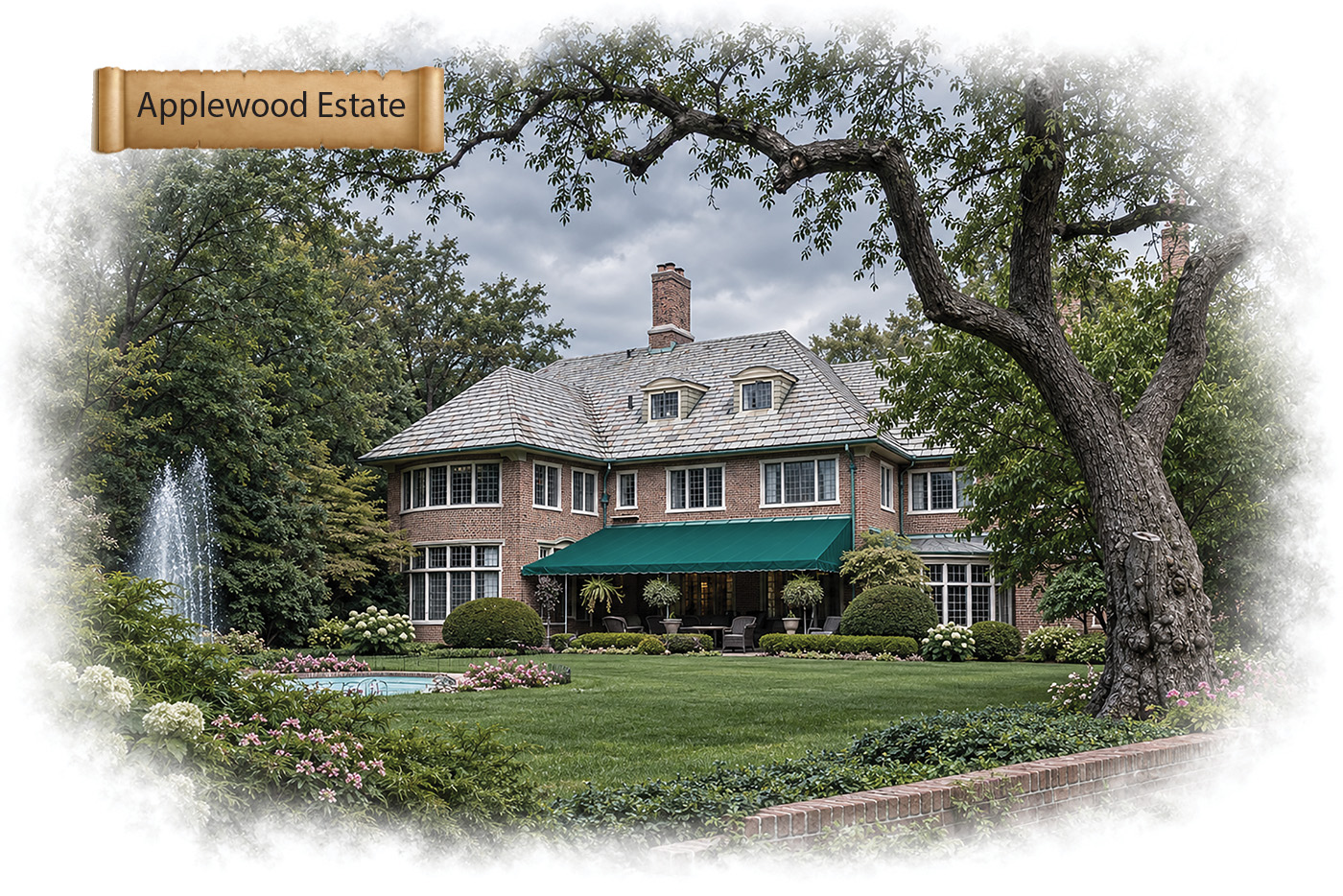
Closer to home, Applewood Estate offers a remarkable glimpse into the life and legacy of one of Flint’s most influential families.
Built in 1916 as the home and gentleman’s farm of automotive pioneer Charles Stewart Mott and his family, the estate includes the historic house, gardens, greenhouse, heritage apple orchard, barn and other outbuildings.
Mott came to Flint through the growing automobile industry and eventually became one of the key figures in General Motors.
But Applewood was also a family home. The Motts raised livestock and poultry and grew fruits and vegetables on the property.
After Ruth Mott’s death in 1999, the estate passed to the Ruth Mott Foundation, fulfilling her wish that the community would one day be able to experience the family’s home and legacy.
Today, Applewood is free and open seasonally, with tours and programs generally offered through October.
Applewood Estate is at 1400 E. Kearsley St. in Flint.
Whaley Historic House Museum
Flint
Just down the street from Applewood stands another remarkable piece of Flint history.
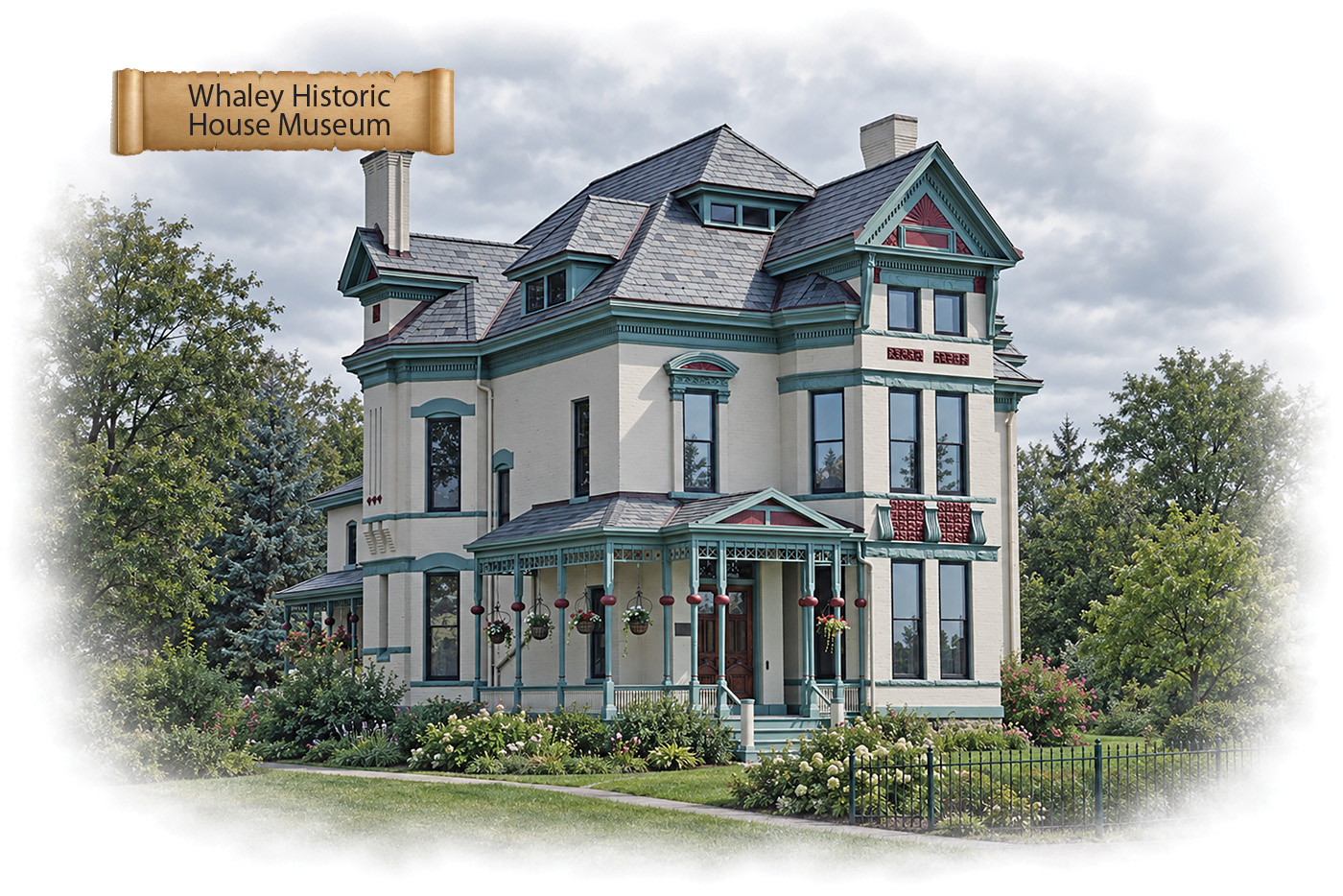
The Whaley Historic House Museum at 624 E. Kearsley St. has Gilded Age architecture, family tragedy, preservation and a direct connection to the founding of one of the world’s most important automotive companies.
Robert J. Whaley was the Flint banker who approved a $2,000 loan to William C. Durant to help launch the Flint Road Cart Company, which eventually became part of General Motors. The museum still has the bank ledger documenting the loan.
The original Italianate home was built in 1859. After Robert and Mary Whaley moved there in 1885, the house underwent an extensive renovation that transformed it into the elaborate Victorian residence visitors see today.
Mary Whaley remained in the home until her death in 1925. Her will directed that it become a residence for elderly women, a role it served for decades before preservationists stepped in to save the building.
The house suffered a devastating fire in 2015 but reopened in 2018 after an extensive restoration.
It also has its share of ghost stories. While the museum makes no official claim that the house is haunted, tragedy did occur there. In 1904, Whaley’s brother-in-law, Morey T. Andrews, died in the home after accidentally drinking a poisonous substance.
Castle Farms
Charlevoix
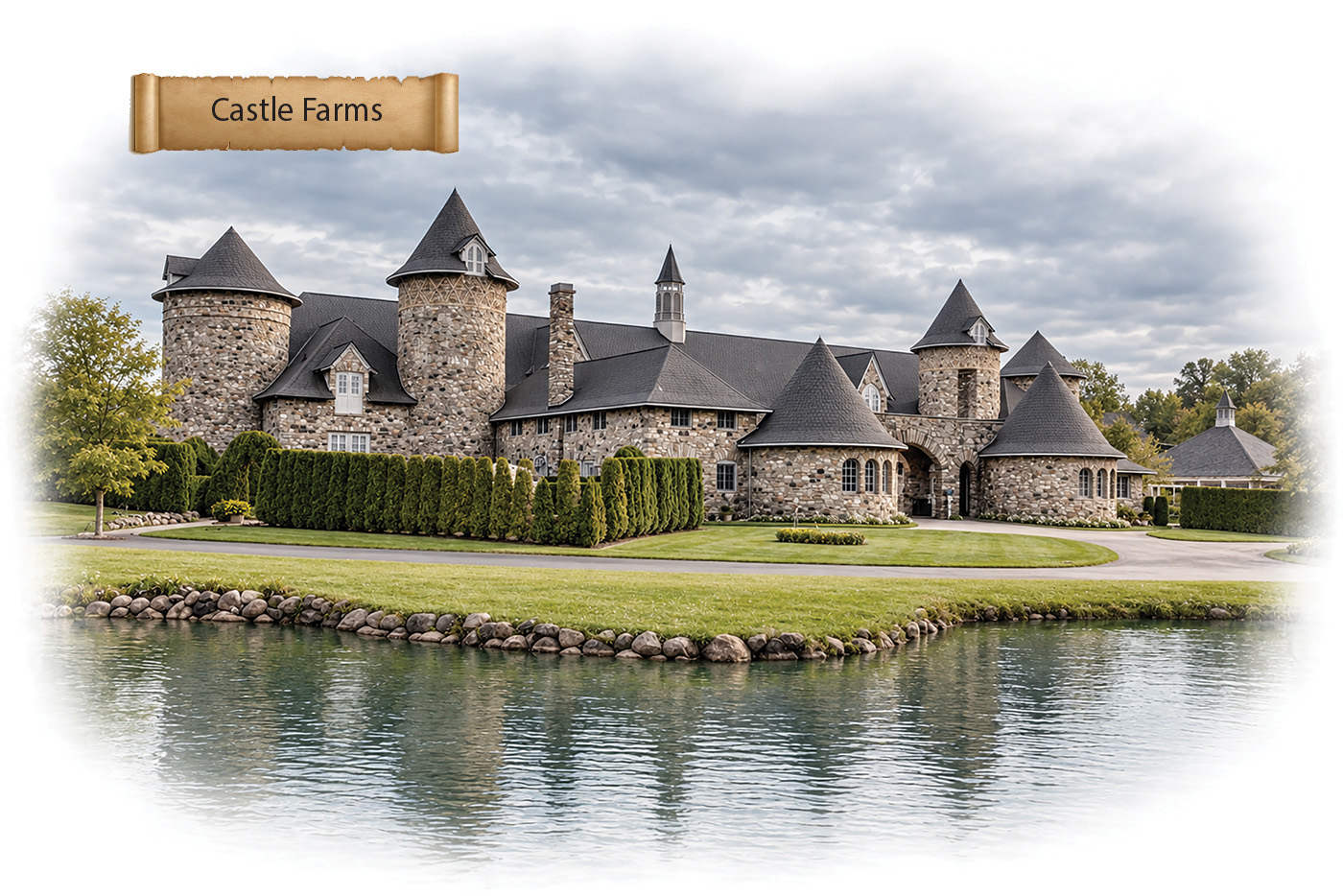
Charlevoix’s Castle Farms has a history that includes dairy cows, baseball, rock stars, tragedy and ghosts.
Built in 1918 by Albert Loeb, an executive with Sears, Roebuck & Co., the complex was designed as a model dairy farm. Its stone buildings were inspired by the castles and farm structures of Normandy, France.
At its height, the 1,600-acre farm employed more than 90 people. There was even a semi-professional baseball team known as the Sodbusters, and the Chicago White Sox once visited for an exhibition game.
The farm eventually closed, and the buildings sat vacant for decades. In 1969, the property became Castle Farms Summer Music Theater, hosting major concerts from the 1970s into the early 1990s.
A major restoration began after Linda Mueller purchased the property in 2001. Today, Castle Farms is a historic attraction, museum, garden destination and event venue.
It also has a reputation for paranormal activity, with visitors and staff reporting unexplained sounds and other unusual experiences. Haunted-history tours offer another way to explore the Castle’s long and unusual past.
Castle Farms is at 5052 M-66 North in Charlevoix.
There are several Genesee County businesses and historic properties with documented ghost stories, paranormal investigations or longstanding reports of unusual activity.
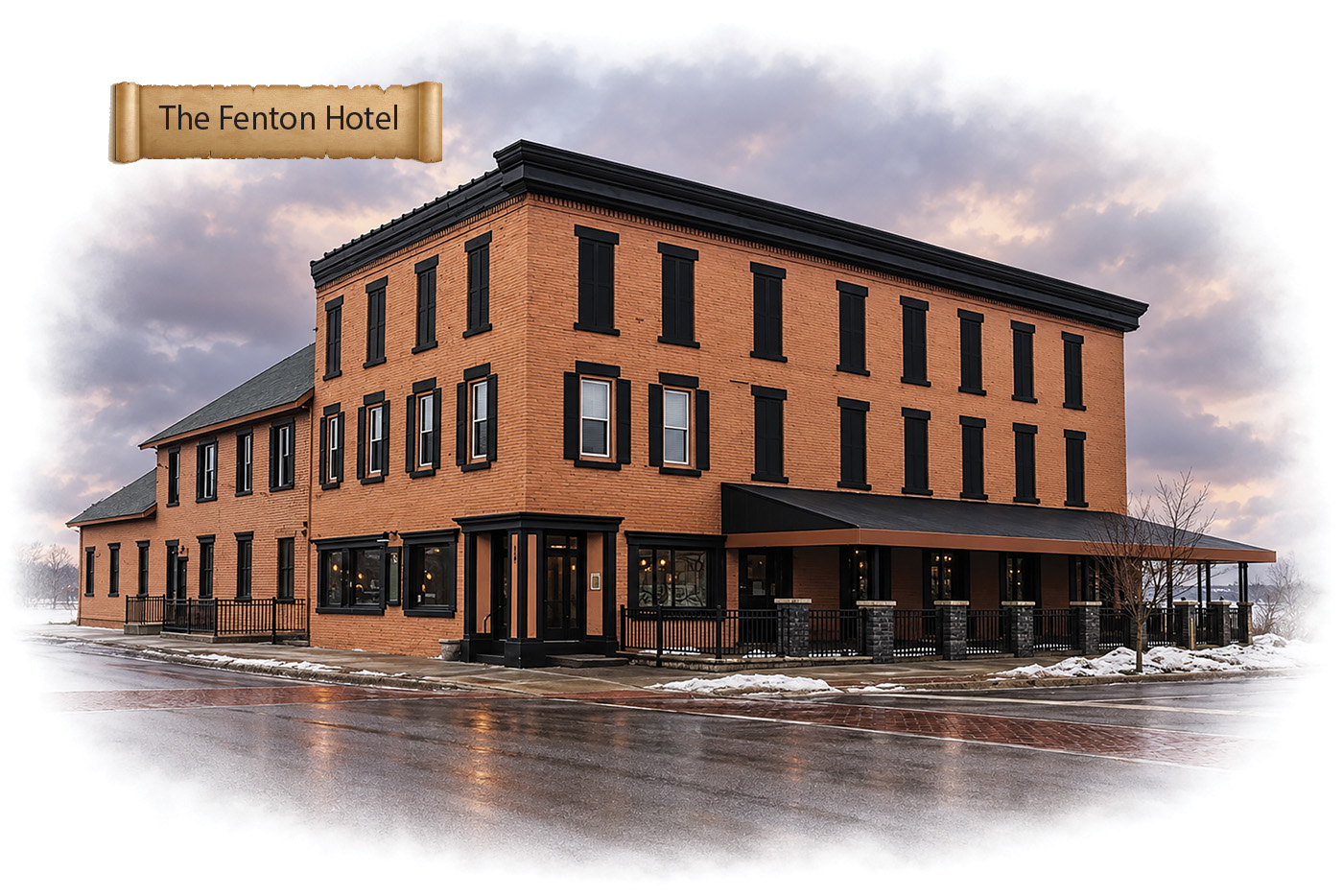
The Fenton Hotel
Fenton
Built in 1856 as a hotel, the historic building is now home to a restaurant and tavern. Over the years, employees and visitors have reported a variety of unexplained experiences, including phantom drink orders, disembodied voices, footsteps upstairs, shutters that appear to move on their own, flickering lights, objects shifting unexpectedly and mysterious physical touches.
One of the best-known legends involves a man who reportedly appears to order a drink, only to vanish before it can be served.
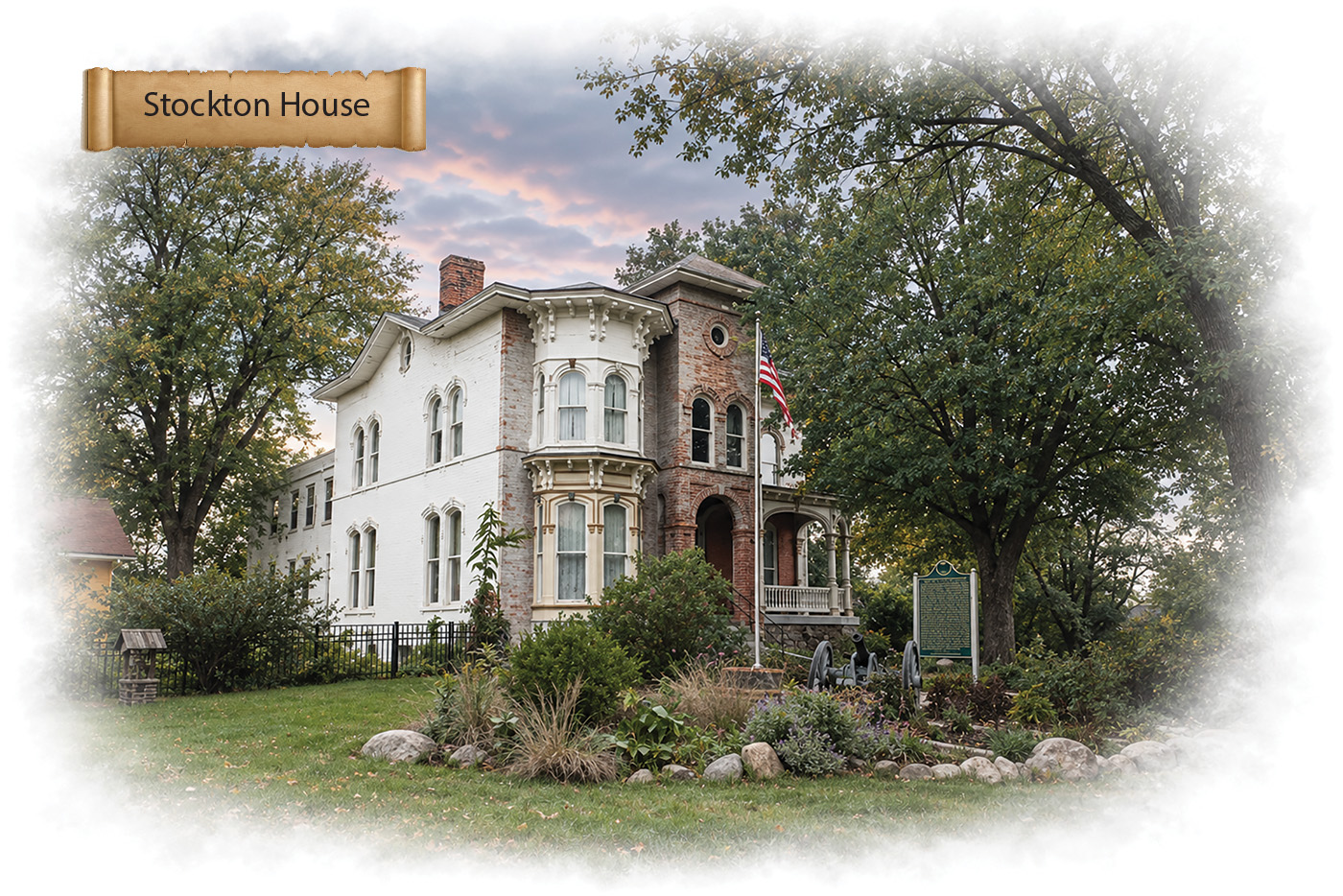
Stockton House Museum
Flint
Built in 1872 for Civil War Colonel Thomas Baylis Whitmarsh Stockton, this historic home has developed a reputation for paranormal activity. According to Explore Flint & Genesee, Colonel Stockton is said to haunt both the house and its grounds.
Whether visitors believe in ghosts or not, the museum’s connection to one of Flint’s prominent historical figures adds an intriguing layer to its story.
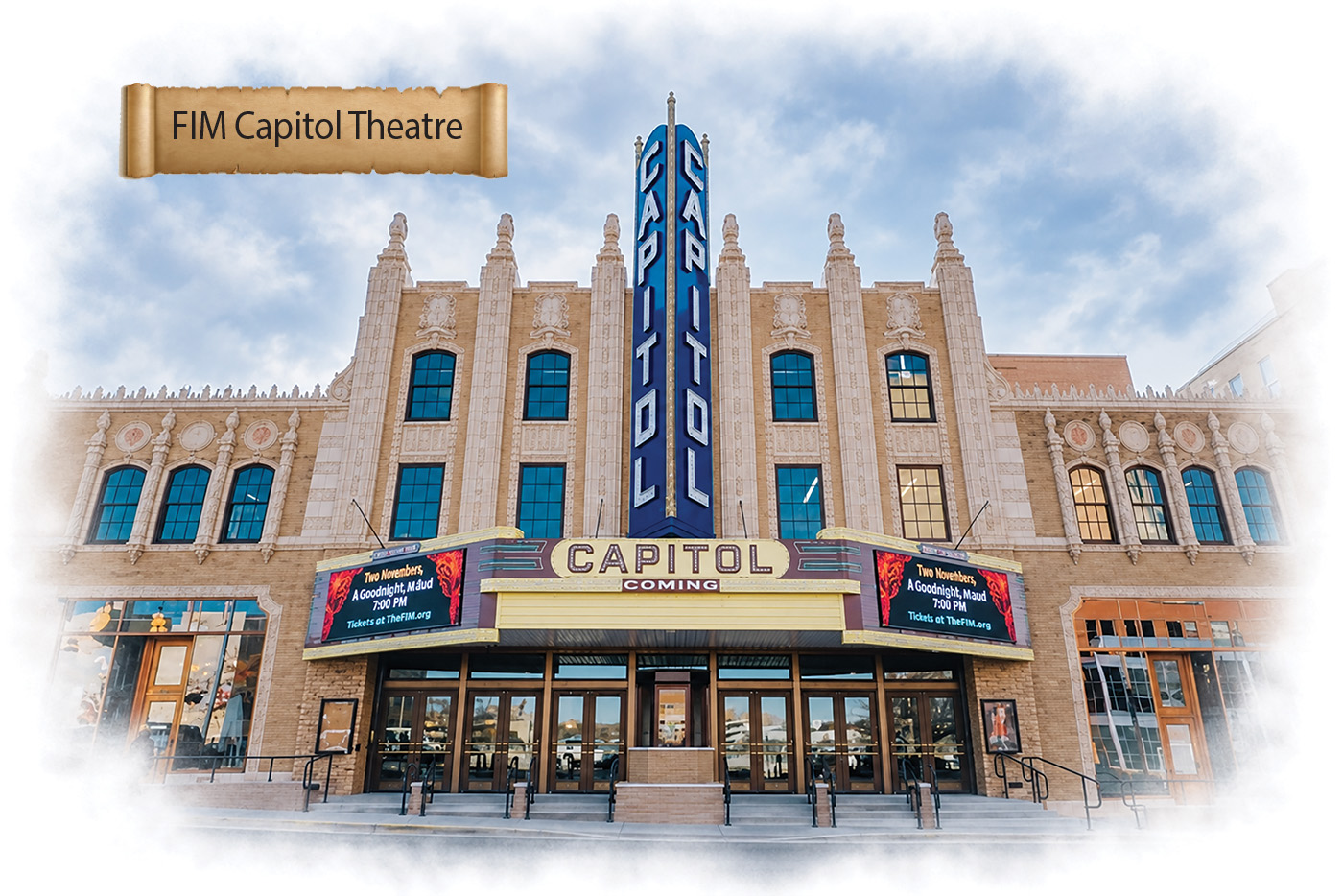
FIM Capitol Theatre
Downtown Flint
The historic Capitol Theatre has long been associated with paranormal stories. Reported experiences include apparitions and shadowy figures in the balcony, as well as unexplained screams, moans, tapping sounds and even mysterious singing.
With its ornate architecture, darkened balconies and nearly century-old history, the Capitol Theatre provides an especially atmospheric setting for stories of the unexplained.
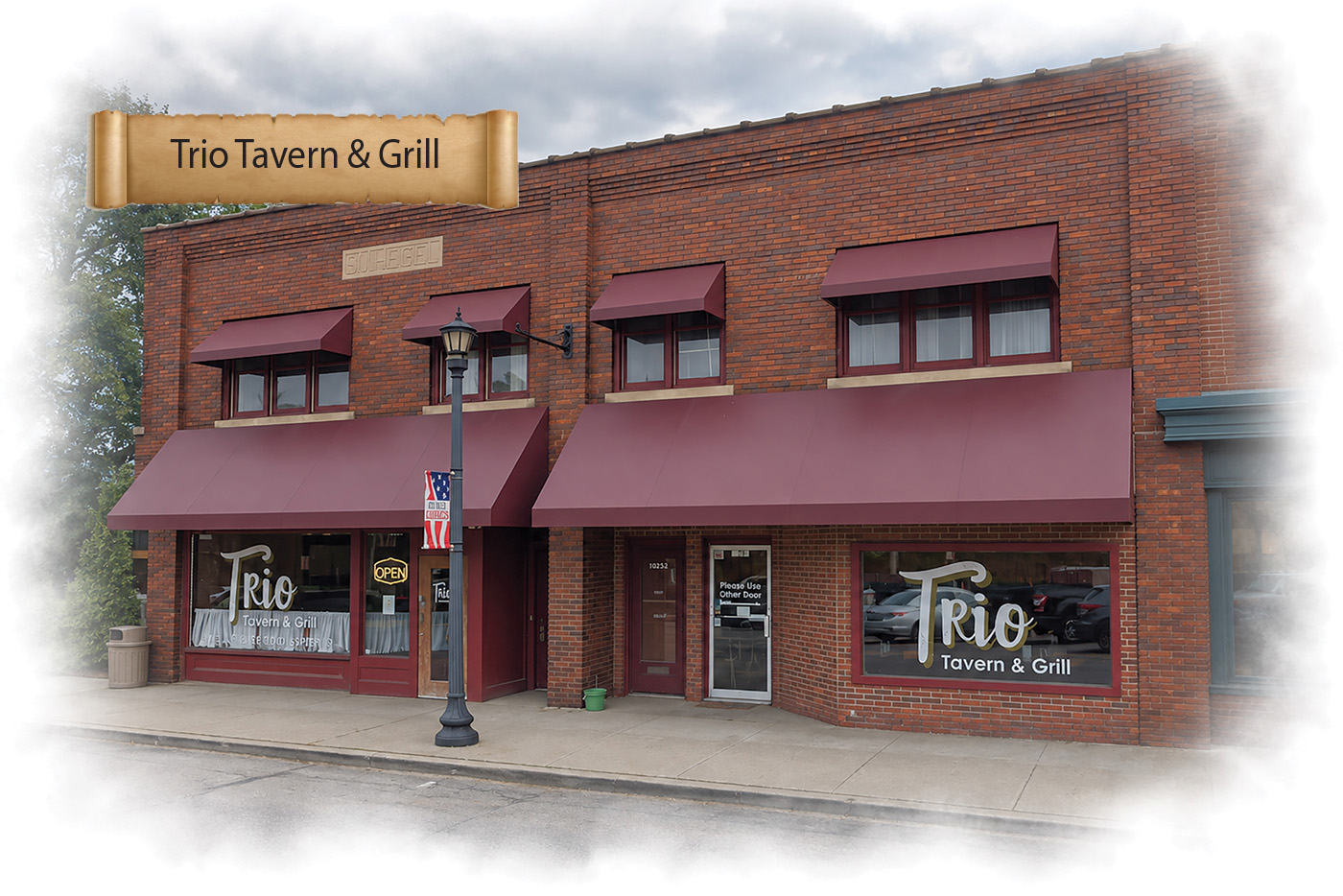
Trio Tavern & Grill
Goodrich
Formerly Cranberries Café, the Goodrich restaurant reportedly developed a paranormal reputation following renovations after a 1997 fire. According to Explore Flint & Genesee, a former owner described seeing an apparition during renovation work, and paranormal investigators examined the restaurant in 2009 as part of a documentary titled The Haunted Truth.
Today, the building’s unusual history adds another layer of intrigue to this popular Genesee County dining destination.
Step Inside
Whether you believe in ghosts or not, Michigan’s historic homes, hospitals, restaurants and castles offer something even more compelling: real stories.
Behind these doors are families who built fortunes, doctors who tried to change the way people were treated, communities that fought to save historic landmarks and generations of people who lived, worked, celebrated and sometimes died within their walls.
And this October, many of those doors are open.