


Our United States observed Labor Day in September, which means Columbus Day/Indigenous Peoples’ Day and Halloween are right around the corner this month. We Americans enjoy our holidays, which often include time off work, extra relaxation or travel, plus family get-togethers featuring special foods and drinks.
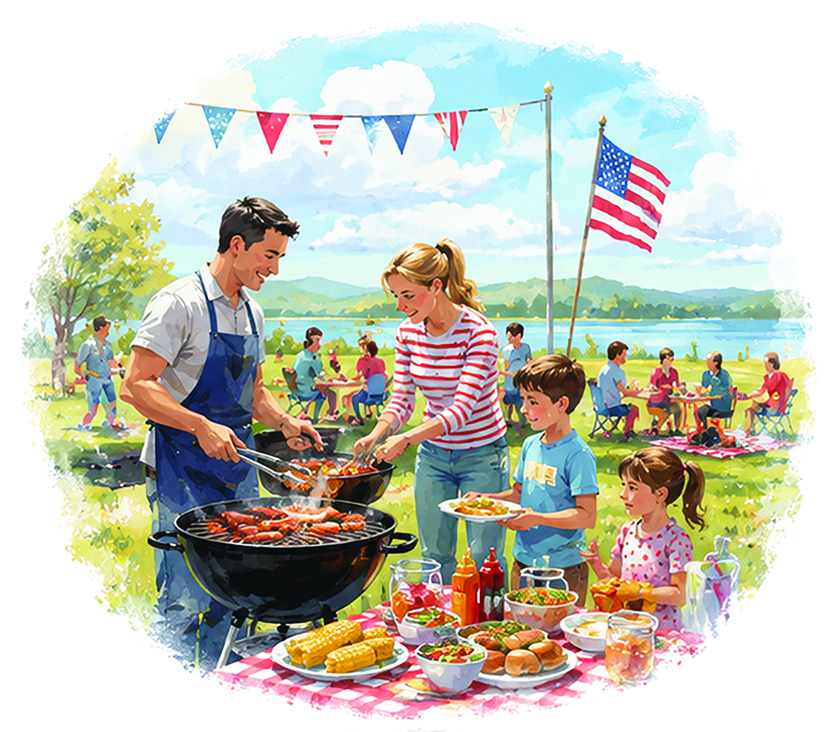
Each year, Columbus Day/Indigenous Peoples’ Day is one of 11 official federal holidays, along with New Year’s Day, Martin Luther King Jr. Day, Presidents’ Day, Memorial Day, Juneteenth, Independence Day, Labor Day, Veterans Day, Thanksgiving and Christmas Day.

The federal designation means Congress has established these days as holidays for federal employees, and federal offices such as banks and post offices generally are closed. Many states and private employers also choose to honor these, plus other dates, which is why some lesser holidays, such as Valentine’s Day, feel universally observed.
Government workers and bankers may be given those days off, but many companies and industries are still open for business. Those can include department and discount stores, grocery stores, restaurants, movie theaters and gas stations. Police officers, firefighters, medical professionals and other emergency workers NEVER get days off, but they have other remedies, including overtime pay and paid days off during less-busy times.
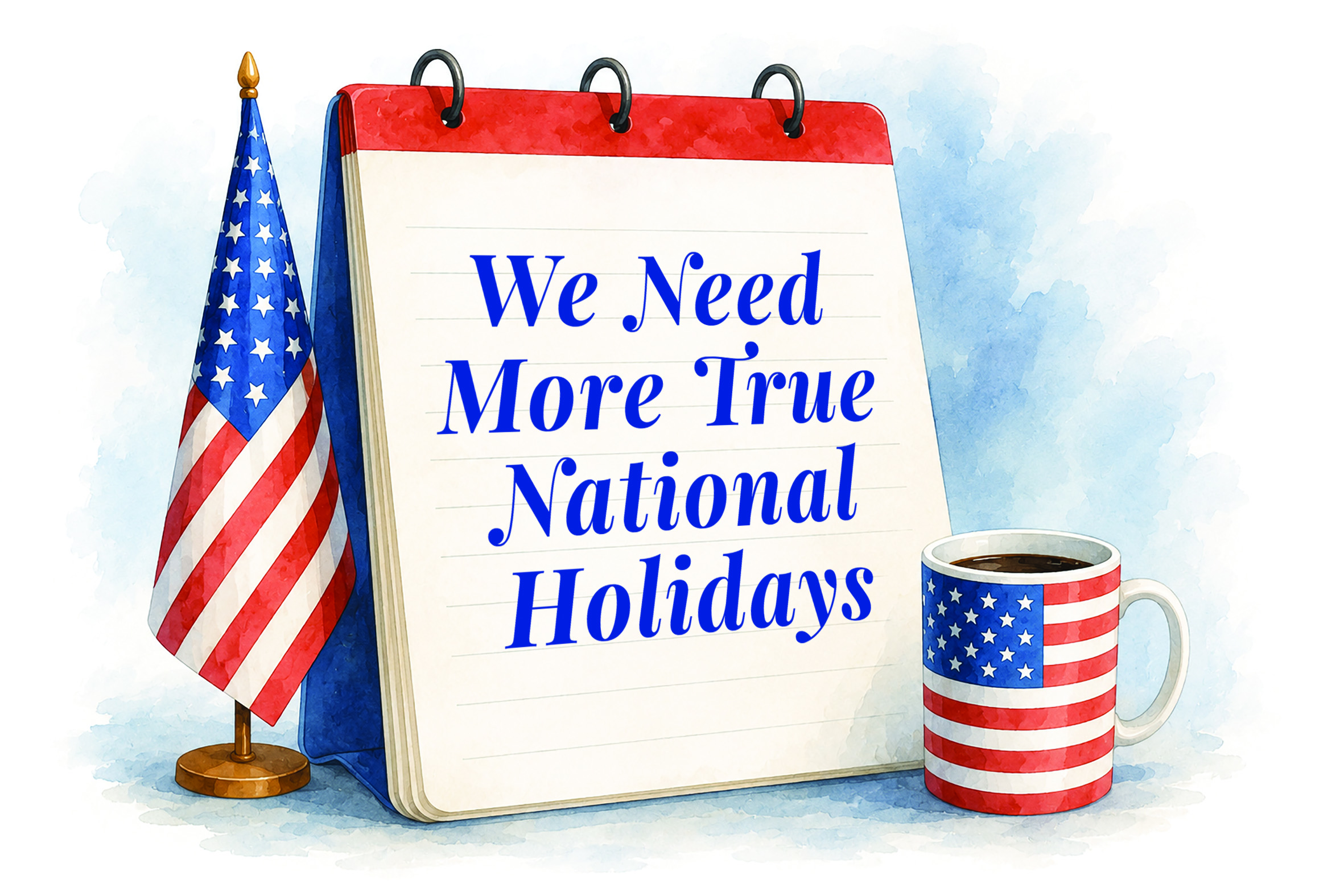
We Americans don’t observe our holidays properly … but we should.










Our United States also celebrates dozens of “lesser holidays” each year, from National Hangover Day on January 2 to Groundhog Day, Valentine’s Day, Mardi Gras/Fat Tuesday, St. Patrick’s Day, April Fools’ Day, Tax Day on April 15, Earth Day, Cinco de Mayo, Mother’s Day, Flag Day on June 14, Father’s Day, Halloween, Black Friday, Kwanzaa and New Year’s Eve on December 31. And this list doesn’t include religious-based holidays such as Palm Sunday, Easter, Rosh Hashanah and many more.

These lesser days get some recognition because they appear on our calendars.
Plus, they often get presidential proclamations or are celebrated culturally, but they rarely include that desired paid day off work.
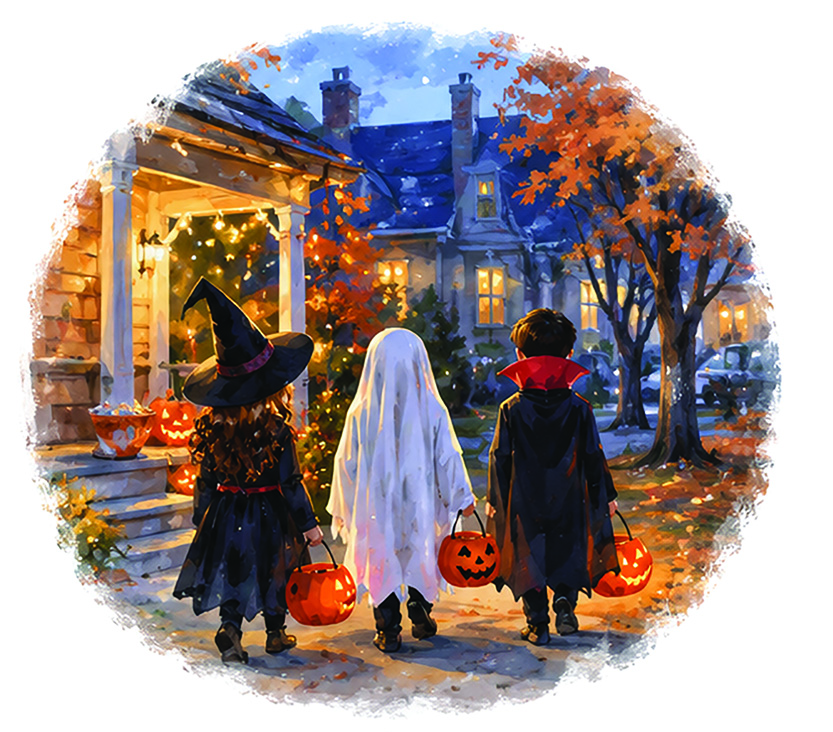
The last day in October is reserved for one much-loved lesser event, as people of all ages dress up to celebrate Halloween. Tons of tooth-decaying candy treats are given out to kids, and costumes are found at parties and almost everywhere, even worn by many pets! Now, Halloween happens during much of this long month, not just on October 31.
Why do we have some large and some small holidays? Management doesn’t want to pay people for time off on the lesser holidays, although it seems more people are using sick days or vacation time to celebrate their favorite smaller events each year.
Our national government will be facing multiple changes in the next few years, as important topics such as Social Security reform must be addressed. Let’s look at standardizing national holidays, too. Everybody should celebrate EVERY holiday!
Working Americans are being promised more days off, since artificial intelligence (AI) is supposed to make jobs easier and give everyone more freedom. Suppose we pick a dozen of our lesser holidays and elevate them to federal holiday status? That way, all businesses and factories could be closed 20 days annually, instead of just part of our economy getting that benefit for our current 11 federal holidays. Let’s give everyone the same days off.
Your task each holiday would be to have enough gas in your car’s tank, plus plenty of milk (and beer) in the fridge. I’m sure that’s what our Founding Fathers would have wanted for us 250 years ago, as all citizens celebrate all our holidays.

Mark W. Rummel is a lifelong news guy who has worked in communications since 1972. Along the way, the Fenton, Michigan, resident and his wife Sally even worked for the Walt Disney Company. They opened and operated the Mancino’s of Fenton restaurant in 1998 and now enjoy traveling and spoiling their grandkids. Mark always appreciates your comments at MarkWRummel@gmail.com