




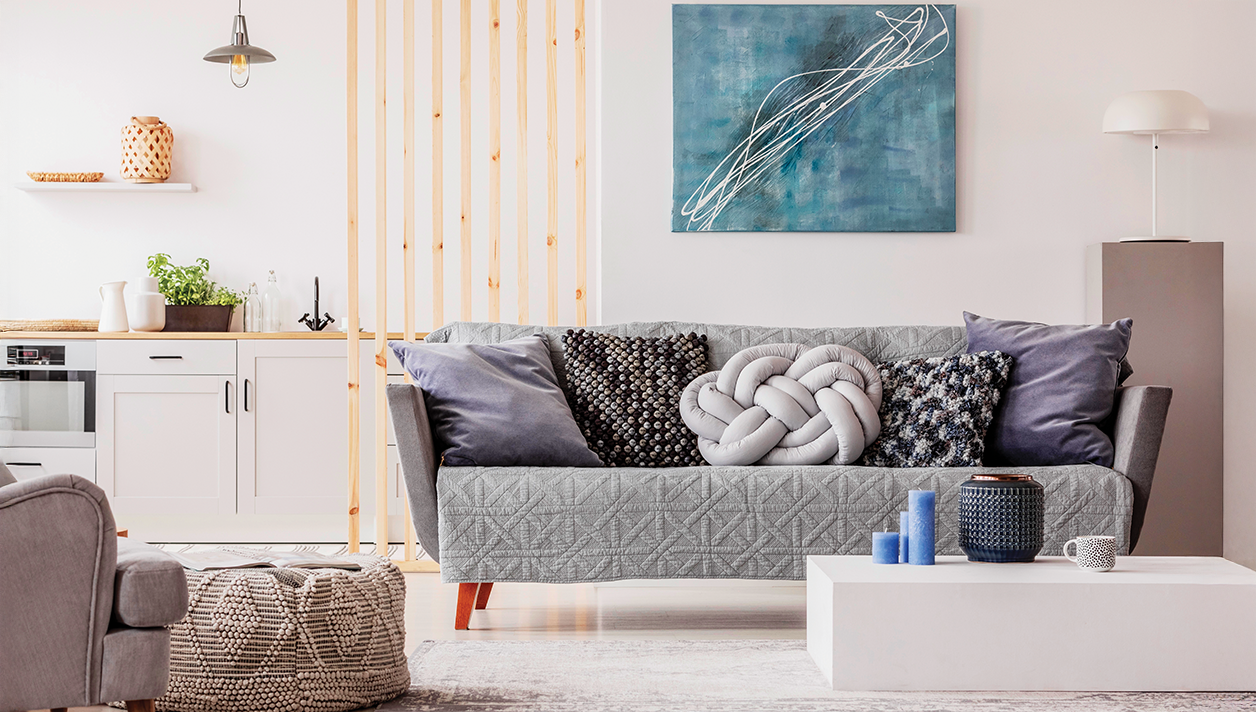
This spring, the focus is clear: living well. As the seasons shift and homes open once again to fresh air and natural light, it’s the perfect time to rethink how our living spaces make us feel. A wellness home isn’t about luxury for luxury’s sake—it’s about intentionally designing areas of your home that help you feel better, breathe better, and ultimately live better.
Our homes influence us more than we often realize. The lighting we wake up to, the air we breathe, the organization of our spaces, and even the materials that surround us all play a role in our physical and mental well-being. Designing a wellness-focused home begins with simplicity and awareness. It asks one important question: does this space support the way I want to live?
Natural light is one of the most powerful wellness tools available. Opening window treatments, adding mirrors to reflect daylight, or replacing heavy drapery with lighter fabrics can instantly lift a room’s energy. Fresh air is just as important. This spring, consider upgrading air filtration systems, increasing ventilation, or simply creating daily habits of letting the outdoors in. Clean air improves sleep, focus, and overall health—often without us even noticing the change.

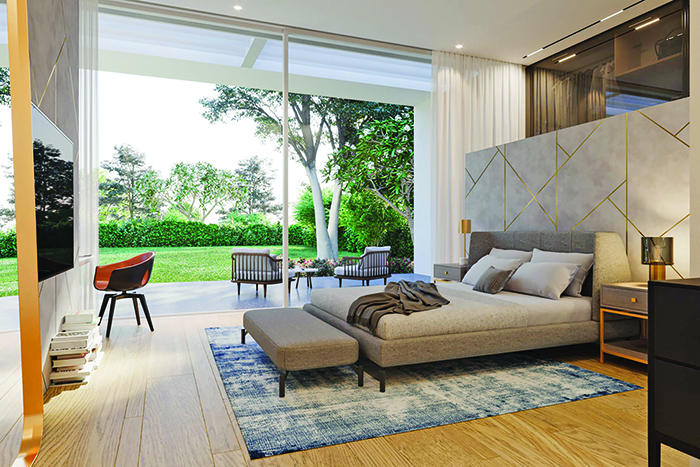
Organization also plays a major role in supporting an active, healthy lifestyle at home. By clearing unused items and creating purposeful layouts, underutilized spaces can be transformed into functional workout zones. A spare bedroom, basement corner, bonus room, or even part of a garage can become a dedicated fitness area with thoughtful storage for equipment, mats, and weights. When workout spaces are clean, open, and easy to access, exercise becomes part of the routine rather than a chore—making movement a natural and consistent part of everyday life.










Materials matter, too. Natural textures such as wood, stone, cotton, and linen bring warmth and balance into a space while supporting a healthier environment. Low-VOC paints, non-toxic finishes, and sustainable materials not only look good but also improve indoor air quality. Even small changes—like swapping synthetic scents for natural ones or adding living plants—can positively impact how a space feels.
Finally, a wellness home includes areas designed for restoration. This might be a quiet reading nook, a spa-inspired bathroom, a meditation corner, or a space for gentle movement. These areas encourage us to slow down and care for ourselves.
This spring, wellness at home is about intention—creating spaces that nurture, restore, and energize you, so your home supports not just how you live, but how well you live.