









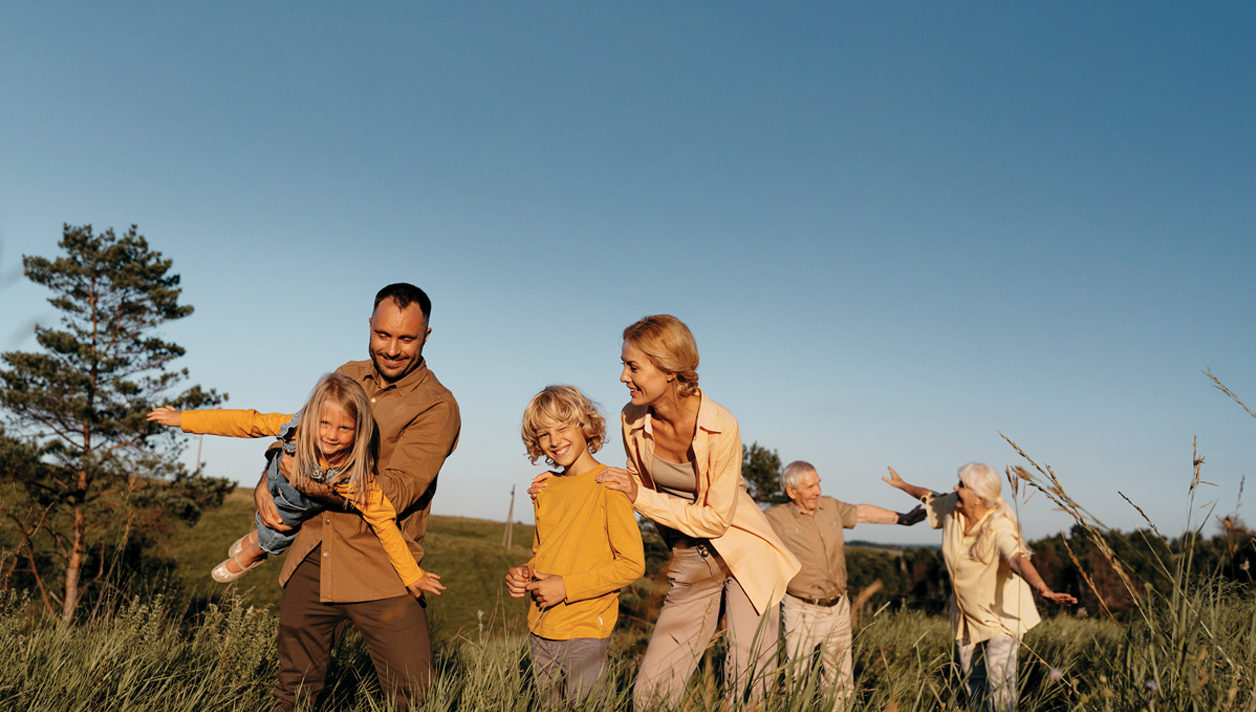
In 2026, family life in the Greater Flint area looks both familiar and very different from what it was a decade ago. The winding Genesee County backroads, tree-lined neighborhoods, and blue-water lakes remain a comforting backdrop—but inside many homes, a very different kind of noise has grown louder. Families report more daily stress, less time together, and a constant digital hum: notifications, streaming services, school portal pings, remote-work emails, online friendships, and algorithm-shaped hobbies.
The result is a kind of emotional static that follows parents into workplaces—from McLaren to GM plants—and kids into the classroom. Psychologists call it ambient stress—the background pressure that never fully switches off. For many families in Flint, Grand Blanc, Fenton, Clio, Davison, and Burton, the question has shifted from “How do we get everything done?” to “How do we feel connected again?”
The answer isn’t more activities or smarter apps. It’s presence. It’s routines that build calm. It’s fewer screens, more conversation, and more togetherness. It’s the emotional stability that comes from knowing your home is your safe place. And it turns out that this is the best long-term investment you can make in your family’s mental and emotional health.
Parents across the Flint area describe evenings filled with late practices, rushed dinners, and everyone retreating to separate screens before bed. Even when the house is quiet, the mind stays noisy. Kids especially feel the effects; high digital exposure paired with low emotional connection is linked to increased anxiety, weaker communication skills, and trouble sleeping. But the good news is that none of this is permanent. Family dynamics—and the human brain—are wonderfully adaptable. Small, intentional changes can restore emotional stability, strengthen trust, and help everyone feel calmer.

Presence doesn’t require hours of perfect parenting. It shows up in small, consistent moments of genuine focus: five device-free minutes after school, talking during dinner instead of scrolling, or setting aside time each day when no one is half-listening, half-typing. When kids feel truly seen, their stress decreases. When adults give each other the same presence, marriages strengthen, co-parenting becomes smoother, and work stress feels easier to manage. Presence builds trust, and trust builds resilience—the kind money can’t buy.
One of the simplest ways to begin is by scheduling intentional device-free time. Families who unplug for even 30 minutes report calmer evenings and better communication. Greater Flint families can try a “5–9 p.m. Digital Slowdown,” silencing notifications and placing phones in a basket so conversations can breathe.
Creating tech-free zones—the kitchen table, the car, the living room—turns everyday transitions into moments of connection. And the region itself provides perfect spaces for unplugging: from For-Mar Nature Preserve’s wooded trails to the Flint River, the Bluebell Beach shoreline, Mott Park’s quiet pathways, and the Flint River Trail system, families can wander, explore, and talk more freely away from screens.
Another powerful practice? Eating together 3–4 times a week. Family meals remain one of the strongest predictors of kids’ emotional health and academic success. These dinners don’t need to be fancy—pizza counts, crockpots count, and drive-thru eaten as a lakeside picnic at Clover Beach absolutely counts. Grab-and-go meals from the Flint Farmers’ Market paired with music and phone-free conversation can instantly reset a stressful day. Winter soup nights, where kids add their own ingredients to the pot, build connection as naturally as they build dinner.
Simple dinner questions deepen family connection:
- What made you laugh today?
- What challenged you?
- Who did you help—or who helped you?
- What are you looking forward to?
- What’s one thing we can do to make tomorrow easier?
Families who unplug for even 30 minutes report calmer evenings and better communication.
Predictable routines also create calmer homes. Families thrive on rhythms that reduce chaos: a brief after-school reset with snacks and no screens; a Sunday refresh with simple planning, Michigan music, and tidying backpacks; a nightly 10-minute clean-up that keeps clutter from becoming mental load. Nature-based wind-downs—neighborhood walks, star-gazing in Flushing or Goodrich, weekend hikes at For-Mar or Seven Lakes State Park, or paddling the Flint River—use the area’s outdoor beauty to gently regulate stress.
When families feel emotionally safe, kids flourish. Children don’t need perfection or elaborate vacations nearly as much as they need to know: My parents listen to me. I can talk about my feelings. Home is calm, even when life isn’t. We solve problems together. Kids who feel secure handle friendships, school challenges, stress, and digital pressures more effectively. Families who begin these habits now build generational resilience.
And the Greater Flint area makes it easy to create grounding rituals. Try Winter Warm-Up Nights with cocoa and board games. Make summer “Water Wednesdays” at Bluebell Beach or Linden County Park. Explore Genesee District Libraries for free family programs that naturally reduce screen time. Visit the Flint Farmers’ Market and let kids choose produce for dinner. Start a seasonal challenge—30 days of evening walks, 10 new parks visited, or Genesee-County-only weekend adventures. These rituals become the stories kids remember into adulthood.
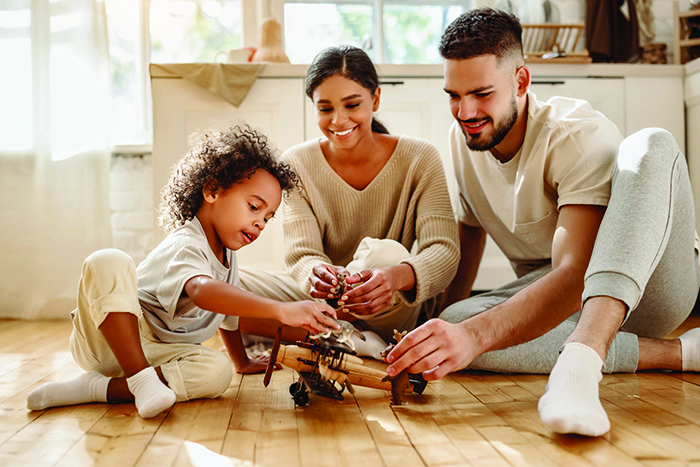
Money matters, but emotional health is priceless. Kids raised in emotionally connected homes have stronger mental health, better coping skills, higher academic outcomes, and healthier relationships. Adults benefit too—better sleep, less stress, and stronger resilience. In a world overflowing with noise, presence becomes your family’s quiet superpower.
Families in the Greater Flint area don’t need more perfection or productivity in 2026. They need more presence, more calm, more connection, and more screen-free moments where everyone feels seen and valued. These are the habits that build trust. Trust builds resilience. And resilience builds families who can weather anything—together.