



The term “Work-Life Balance” is, when you boil it down, kind of strange. The implication, it seems to me, is that “work” and “life” are somehow separate things and that a proper “balance” between the two involves somehow keeping them properly separated. Those of us who both live and work, however, likely experience something different.
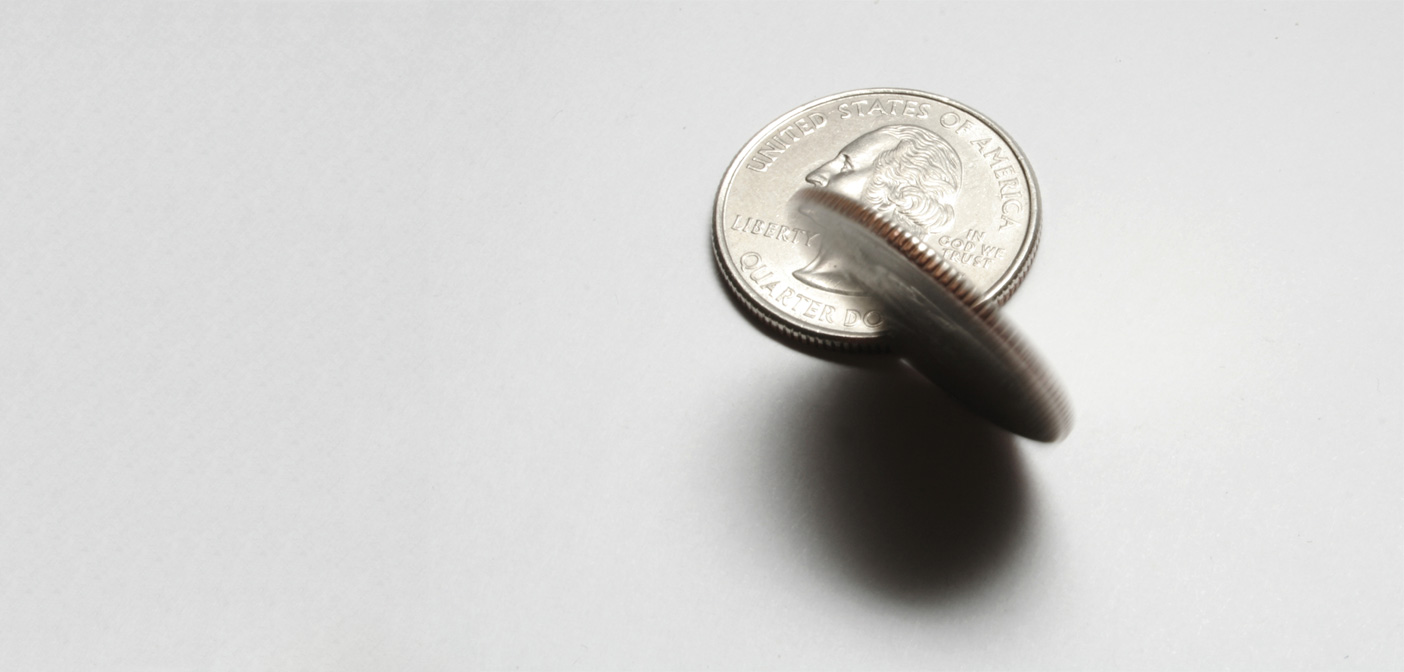
Rather than being separate, work is a part of life – for most of us, a pretty major part. We spend more of our waking time at and on work, in our workspaces and with our co-workers than we do with just about anyone else. The work self and the non-work self are like two sides of the same coin. What can you do to help to improve the balance between your work and non-work selves?
Make your workspace personal. An environment that “fits” your personal work style can help with stress management and achieving an optimum balance between your work and non-work selves. Our research indicates several beneficial outcomes related to workspace personalization. First, decorating the area with a few chosen items can help to manage the gap between these two aspects of your life. Like anything, this represents a balance that each individual has to work out for themselves – how much of your non-work self do you want to be reminded of while at work? How much of your non-work self do you want others to have insight into while at work? Second, a couple of strategically chosen personal items can help with relationship development at work, breaking the ice with new acquaintances and then leading to more in depth conversations.

Make the stress your own. Stress researchers have long known that some stress can be beneficial while too much can be harmful. Feeling overloaded at work has been something of a mystery stressor, in so far as some research has shown it to be beneficial, while some has found that it can be harmful, and still more research shows it has no effect on us at all. In forthcoming research, I have worked with some co-authors to try to get to the bottom of this by comparing feelings of overload that employees attribute to their organizations making them work harder and feelings of overload that employees attribute to their own choices at work. Our finding that the latter are more beneficial to the former has several implications. First, managers should work with employees on participative decision-making – if employees own the work that managers or their organizations ask them to do, the work itself may bridge the gap between work and non-work self, aiding in work-life balance.
Increasingly, our work and non-work selves inhabit the same space at the same time. Hopefully, considering these two tips will help organizations, managers and employees to more effectively balance the relationship between the two selves.
Increasingly, our work and non-work selves inhabit the same space at the same time.